
Exploring Novel Inducers of Ferroptosis and Related Cell Death Mechanisms
Time
8:00 AM, August 4, 2026 (California Time)4:00 PM, August 4, 2026 (CET Time)
10:00 PM, August 4, 2026 (Beijing Time)
Contact Us
Email: fosjournal@sciexplor.comSpeaker
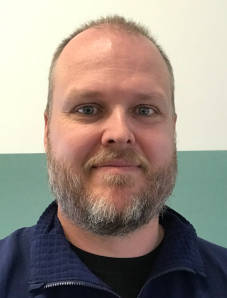
Prof. Scott J. Dixon
Department of Biology, Stanford University, Stanford, CA, USA.
Scott J. Dixon is a Professor in the Department of Biology at Stanford University and one of the pioneering scientists in the ferroptosis field. He is widely recognized for helping to spearhead the discovery of ferroptosis as an iron-dependent form of regulated cell death and for continuously advancing the understanding of its molecular regulation and biological significance. His research focuses on the intersection of lipid metabolism, oxidative stress, and regulated cell death, particularly in the context of cancer and disease biology. Prof. Dixon’s work has played a central role in establishing ferroptosis as a major area of modern cell death research, with important implications for cancer therapy, neurodegeneration, and metabolism. In recognition of his groundbreaking contributions, he received the 2023 ASBMB Earl and Thressa Stadtman Young Scholar Award.
Host
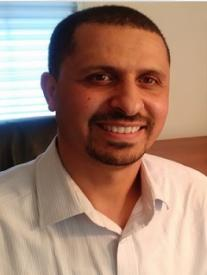
Prof. Rachid Skouta
Department of Chemistry, University of Massachusetts, Amherst, MA, USA.
Prof. Rachid Skouta is a dedicated educator and researcher at UMass, where he holds a dual role as a Lecturer and Adjunct Assistant Professor in Chemistry, as well as a Research Associate Professor in Biology. With his chemistry pedagogical approaches in teaching, Prof. Skouta passionately engages with students, teaching large classes and mentoring graduate students, postdocs, and undergraduates in the lab.
In his research lab, Prof. Skouta focuses on groundbreaking studies in medicinal chemistry, chemical biology, and drug development, with particular interest in the mechanisms of ferroptosis and diseases. His research is supported by external grants, reflecting his commitment to advancing scientific knowledge and innovation. Prof. Skouta's work not only contributes to the academic community but also provides valuable opportunities for students to gain hands-on experience in cutting-edge research.
Panelists
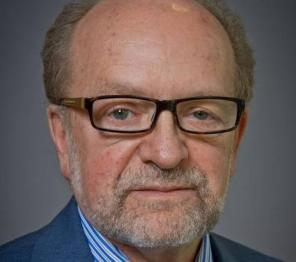
Prof. Valerian E. Kagan
Department of Environmental and Occupational Health, University of Pittsburgh, Pittsburgh, PA, USA.
Prof. Valerian E. Kagan is a globally recognized leader in Free Radical Biology and Medicine. His pioneering research in oxidative stress, antioxidants, and cellular injury led to the establishment of the field of Oxidative Lipidomics, revealing how oxygenated lipid molecules regulate cell death and immune responses. His discoveries have advanced our understanding of mechanisms underlying radiation injury, inflammation, and tissue damage, and have contributed to the development of innovative small-molecule therapies for prevention and treatment.
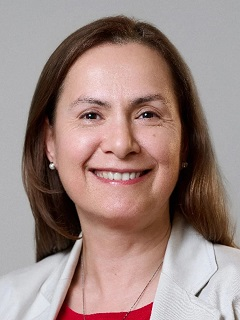
Prof. Hülya Bayır
Department of Pediatrics, Columbia University Irving Medical Center, New York, NY, USA.
Prof. Hülya Bayir is a physician-scientist and Chief of the Division of Critical and Palliative Care and Hospital Medicine at Columbia University. With over 25 years of experience, she is internationally recognized for her research on brain injury, oxidative stress, and free radical biology. Her pioneering work has advanced the understanding of mechanisms involved in neurological injury and has contributed to the development of new therapeutic strategies. Prof. Bayir has published over 200 scientific articles and has received numerous honors, including the NINDS Javits Neuroscience Investigator Award.
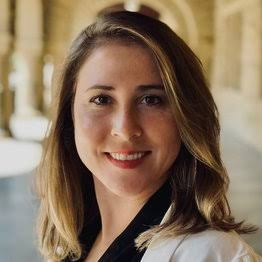
Prof. Jessalyn M. Ubellacker
Department of Molecular Metabolism, Harvard T.H. Chan School of Public Health, Boston, MA, USA.
Prof. Jessalyn Ubellacker is an Assistant Professor of Molecular Metabolism at Harvard T.H. Chan School of Public Health. She received her Ph.D. in Biological and Biomedical Sciences from Harvard Medical School and completed postdoctoral training at the Children’s Research Institute at UT Southwestern. Her research focuses on the role of oxidative stress, lipid reactive oxygen species, and the tumor microenvironment in cancer metastasis. Her pioneering work has revealed how lymph node environments protect metastatic cancer cells from oxidative damage, enabling their survival and spread through the bloodstream.
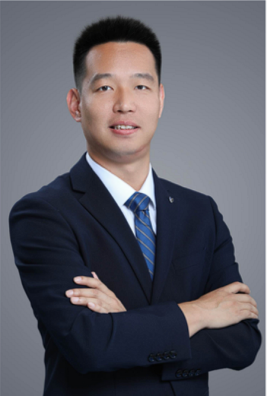
Prof. Yilei Zhang
Department of Biochemistry and Molecular Biology, Xi’an Jiaotong University, Xi’an, Shaanxi, China.
Prof. Yilei Zhang is a Professor and Ph.D. Supervisor at the School of Basic Medical Sciences, Xi’an Jiaotong University, and a Distinguished Professor at the First Affiliated Hospital of Xi’an Jiaotong University. His research focuses on tumor metabolism and the regulation of cell death, with particular emphasis on ferroptosis, cystine metabolism, and mechanisms underlying cancer therapy. His team has made significant contributions to the understanding of metabolic stress and cell death regulation in cancer, with research published in leading international journals including Nature Cell Biology, Nature Communications, and Cell Research. His work has revealed key mechanisms governing ferroptosis and highlighted its potential applications in cancer radiotherapy and chemotherapy.
Dr. Kenichi Shimada
Laboratory of Systems Pharmacology, Harvard Medical School, Boston, MA, USA.
Dr. Kenichi Shimada is a Research Fellow in the Laboratory of Systems Pharmacology at Harvard Medical School. With an interdisciplinary background in experimental and computational biology, he conducted his doctoral research under the mentorship of Prof. Brent Stockwell at Columbia University, where he contributed to the discovery of the molecular mechanisms underlying ferroptosis as a regulated form of cell death. His current research focuses on cancer immunology, single-cell analysis, and systems biology, investigating how intrinsic tumor signaling and the tissue microenvironment shape immune responses and therapeutic outcomes. His work provides new insights into tumor immune regulation and the development of precision cancer therapies.


