-
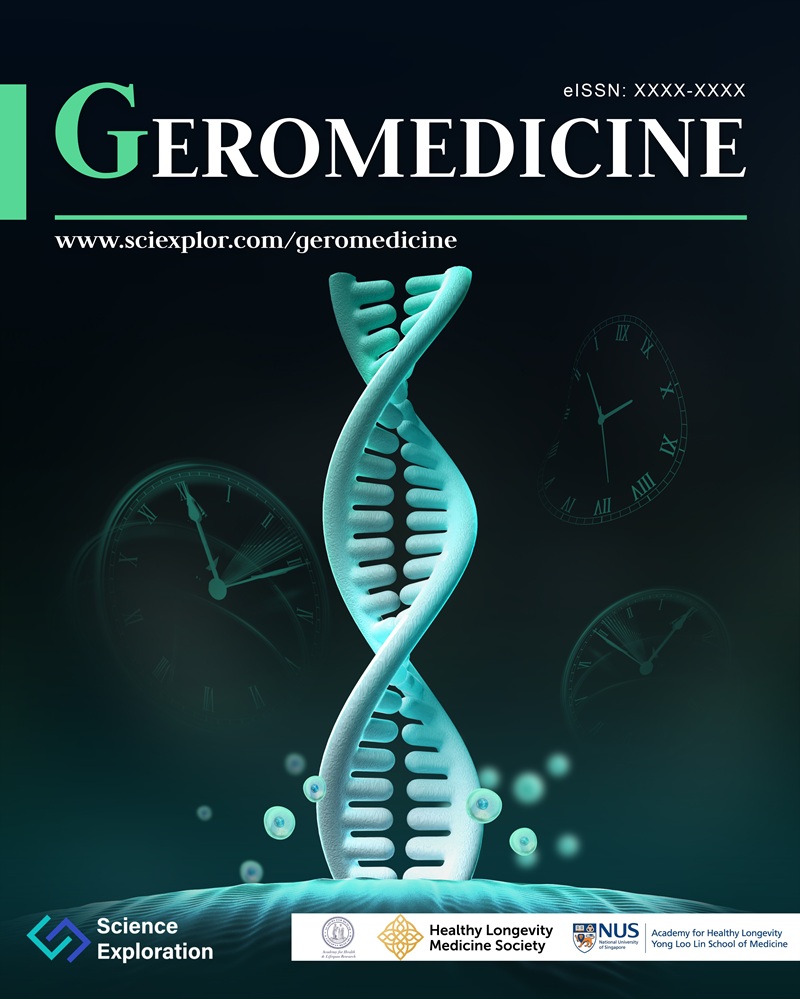
Geromedicine (GER, Online ISSN 3106-8618) is a quarterly, gold open-access journal published by Science Exploration Press, offering a comprehensive platform for research in geroscience. Progress in geroscience - the study of aging - has laid the foundation for geromedicine, which focuses on evidence-based medical interventions to keep individuals and populations healthy and fit. Precision geromedicine will rely on aging biomarkers to assess an individual's biological aging process (gerodiagnosis) and apply targeted interventions to enhance health and longevity (gerotherapeutics). The new journal Geromedicine will lead the development of this emerging medical discipline. more >
Articles
The role of glia autophagy in CNS homeostasis, ageing and disease
-
Autophagy is a fundamental catabolic process that is critical for maintaining cellular homeostasis and protein quality control in the central nervous system (CNS). While neuronal autophagy has been extensively characterized, growing evidence highlights ...
MoreAutophagy is a fundamental catabolic process that is critical for maintaining cellular homeostasis and protein quality control in the central nervous system (CNS). While neuronal autophagy has been extensively characterized, growing evidence highlights the indispensable roles of glial autophagy, specifically in astrocytes, oligodendrocytes and microglia, in CNS physiology and pathology. These glial populations employ the autophagic machinery to regulate distinct but interconnected functions: astrocytes manage metabolic support and glutamate homeostasis; oligodendrocytes rely on autophagic flux for differentiation and myelin maintenance; and microglia employ specific pathways, such as LC3-associated phagocytosis, to orchestrate immune surveillance and inflammasome regulation. Impairment of glial autophagy has been implicated in non-cell-autonomous neurodegeneration, leading to excitotoxicity, myelin damage, the emergence of senescence-associated secretory phenotypes, and persistent neuroinflammation. Dysregulation of autophagic pathways during ageing has also been implicated in the pathogenesis of multiple neurodegenerative diseases, including Alzheimer’s disease, Parkinson’s disease, Huntington’s disease, and amyotrophic lateral sclerosis. In this review we summarize the cell-type-specific molecular mechanisms of autophagy in glia, and delineate their role in the clearance of pathogenic aggregates such as β-amyloid, α-synuclein, and mutant huntingtin. A deeper understanding of the spatiotemporal dynamics of glial autophagy and associated intercellular crosstalk is essential to fully elucidate the complex etiology of age-associated neurodegenerative conditions.
Less -
Onur Çakıcı, Nektarios Tavernarakis
-
DOI: https://doi.org/10.70401/Geromedicine.2026.0019 - March 23, 2026
Inhibition of PAI-1 shifts cardiomyocyte fate from senescence toward apoptosis and mitigates doxorubicin-induced cardiotoxicity
-
Aims: Doxorubicin (Dox) is an effective chemotherapeutic agent, but its clinical use is limited by cardiotoxicity. Cellular senescence contributes to Dox-induced cardiac dysfunction; however, the underlying molecular mechanism mediating the ...
MoreAims: Doxorubicin (Dox) is an effective chemotherapeutic agent, but its clinical use is limited by cardiotoxicity. Cellular senescence contributes to Dox-induced cardiac dysfunction; however, the underlying molecular mechanism mediating the effect of senescence remains poorly understood. This study aimed to identify senescence-associated factors secreted from cardiomyocytes in Dox-treated hearts and define their functional significance in Dox-induced cardiotoxicity.
Methods: Mice with cardiomyocyte-specific expression of the endoplasmic reticulum BioID secretome profiling system were used to identify Dox-induced secreted factors. Functional analyses were performed in neonatal rat ventricular myocytes (NRVMs). The effects of plasminogen activator inhibitor-1 (PAI-1) inhibition were evaluated in Dox-treated mice by assessing senescence markers, apoptotic responses, and cardiac structure and function. p21High-tdTomato reporter mice were used to examine the fate of senescent cardiomyocytes in vivo.
Results: PAI-1 was identified as a major component of the senescence-associated secretory phenotype and was robustly upregulated in Dox-treated cardiomyocytes. In NRVMs, PAI-1 promoted senescence and maintained the senescent phenotype, in part by conferring resistance to apoptosis. Pharmacological inhibition of PAI-1 reduced senescence markers, enhanced apoptotic responses, and preserved cardiac structure and function in Dox-treated mice. Fate mapping analyses with p21High-tdTomato mice revealed that PAI-1 inhibition decreased the number of p21High senescent cardiomyocytes in Dox-treated hearts. Notably, PAI-1 inhibition did not attenuate Dox cytotoxicity in EO771 murine breast cancer cells.
Conclusion: PAI-1 is a key mediator of Dox-induced cardiac dysfunction. PAI-1 inhibition shifts the fate of cardiomyocytes from senescence toward apoptosis and preserves cardiac structure and function without compromising the antitumor function of Dox, highlighting PAI-1 as a potential therapeutic target for chemotherapy-associated cardiotoxicity.
Less -
Yuka Shiheido-Watanabe, ... Junichi Sadoshima
-
DOI: https://doi.org/10.70401/Geromedicine.2026.0018 - March 17, 2026
Nucleolar expansion: A biomolecular condensate mortality timer
-
The nucleolus, the largest membraneless organelle in the cell, is a biomolecular condensate that houses ribosomal DNA (rDNA), facilitates ribosomal subunit assembly, and serves as a dynamic reservoir for numerous unrelated proteins. Aging across eukaryotic ...
MoreThe nucleolus, the largest membraneless organelle in the cell, is a biomolecular condensate that houses ribosomal DNA (rDNA), facilitates ribosomal subunit assembly, and serves as a dynamic reservoir for numerous unrelated proteins. Aging across eukaryotic species is accompanied by nucleolar expansion, raising the question of whether it is a correlate of aging or a driver of cellular aging. Recent studies suggest that nucleolar expansion may drive aging and this may result from age-associated changes in the biophysical properties of the nucleolus. Emerging evidence points to age-driven biophysical changes in the nucleolar condensate, including shifts in size, dynamics, and viscoelasticity, which may occur gradually or through transitions from a liquid-like state to denser gel-like, and in some contexts amyloid-like, assemblies. These transitions remodel two core condensate properties: compartmentalization and partitioning, with consequences for ribosome biogenesis and rDNA stability. Here, we review recent literature on age-driven changes in nucleolar condensation and discuss how these changes may influence nucleolar function and longevity.
Less -
J. Ignacio Gutierrez, Jessica K. Tyler
-
DOI: https://doi.org/10.70401/Geromedicine.2026.0017 - March 11, 2026
Stress granules: Emerging regulators of reproductive aging
-
Reproductive aging progressively impairs fertility and contributes to broader systemic decline. Stress granules (SGs), transient membraneless ribonucleoprotein assemblies formed during cellular stress, have recently emerged as important regulators ...
MoreReproductive aging progressively impairs fertility and contributes to broader systemic decline. Stress granules (SGs), transient membraneless ribonucleoprotein assemblies formed during cellular stress, have recently emerged as important regulators of gonadal homeostasis. Their function is highly context dependent: properly resolved SGs promote cellular adaptation and survival, whereas persistent SGs disrupt proteostasis and trigger cell death pathways. In the testis, transient SGs protect germ cells under stress; however, persistent SG accumulation activates necroptosis through the ZBP1-RIPK3 axis, a pathway implicated in human non-obstructive azoospermia and testicular aging. In the ovary, defective autophagic clearance leads to pathological SG persistence in granulosa cells, while several SG-associated proteins are indispensable for normal oogenesis. Together, these findings indicate that dysregulated SG dynamics, particularly impaired clearance, represent a convergent mechanism linking cellular stress responses to reproductive decline. Despite these advances, critical gaps remain. The cell-type-specific regulation of SG assembly and disassembly within the gonad is not fully defined, and the molecular mechanisms by which persistent SGs drive tissue-level aging require clarification. Addressing these questions will refine our understanding of reproductive aging and its mechanistic connection to proteostatic imbalance.
Less -
Nianyu Li, ... Xue Jiao
-
DOI: https://doi.org/10.70401/Geromedicine.2026.0016 - March 06, 2026
Major depressive disorder as a driver of premature aging
-
Major depressive disorder (MDD) is a risk factor for many aging-related medical conditions as well as cognitive decline and mortality. These and other types of observations indicate a premature aging phenotype associated with the conditions mentioned above. ...
MoreMajor depressive disorder (MDD) is a risk factor for many aging-related medical conditions as well as cognitive decline and mortality. These and other types of observations indicate a premature aging phenotype associated with the conditions mentioned above. Recent studies have started to elucidate the mechanisms underlying the link between MDD and premature aging, pointing towards novel treatments of this phenotype. In this review, we first present evidence linking MDD to a premature aging phenotype and its association with abnormalities in multiple hallmarks of biological aging. Next, we discuss implications for treatment in MDD, including the potential geroprotective effects of antidepressant treatment as well as the conceptualization of biological aging processes as targets for novel gerotherapeutic interventions. Finally, we highlight the importance of integrating mental health assessment into both research and clinical settings to fulfill the promises of the new medical discipline of Geromedicine in preventing age-related decline and extending healthspan in the aging population.
Less -
Breno S. Diniz, ... Eric J. Lenze
-
DOI: https://doi.org/10.70401/Geromedicine.2026.0015 - February 12, 2026
Hallmarks of aging: Integrating molecular and social determinants
-
The biology of aging is increasingly understood through geroscience frameworks integrating molecular, cellular, physiological, and social hallmarks. Recently, we introduced psychosocial factors including mental illness as an important hallmark of ...
MoreThe biology of aging is increasingly understood through geroscience frameworks integrating molecular, cellular, physiological, and social hallmarks. Recently, we introduced psychosocial factors including mental illness as an important hallmark of aging. Indeed, exposome-centered approaches reveal complex interactions among socioeconomic, environmental, behavioral, and genomic factors. Precision Geromedicine aims to target all these determinants in a holistic fashion to improve aging trajectories and extend healthspan.
Less -
Carlos López-Otín, Guido Kroemer
-
DOI: https://doi.org/10.70401/Geromedicine.2025.0007 - October 31, 2025
Clinical evidence for the use of NAD+ precursors to slow aging
-
Significant progress in clinical care has extended human life expectancy to unprecedented levels. However, this trend has been parallelled by a rise in years lived with poor health, posing profound challenges not only to individual quality of life, but also ...
MoreSignificant progress in clinical care has extended human life expectancy to unprecedented levels. However, this trend has been parallelled by a rise in years lived with poor health, posing profound challenges not only to individual quality of life, but also to substantial medical and socioeconomic burdens at the population level. This underscores the urgent need for strategies that extend healthspan alongside lifespan. In this regard, nicotinamide adenine dinucleotide (NAD+) has emerged as a central metabolic cofactor and signaling molecule that regulates processes fundamental to health and longevity, including energy metabolism, mitochondrial function, inflammation, and DNA repair. Importantly, intracellular NAD+ levels decline with age across multiple tissues and organ systems, and restoring NAD+ content has been shown to reinstate cellular and physiological function in various model systems. Among the strategies to augment NAD+, supplementation with its precursors, namely nicotinic acid/niacin, nicotinamide, nicotinamide riboside, and nicotinamide mononucleotide, represents the most practical and extensively studied approach. Over the past two decades, preclinical research and an increasing number of clinical trials have investigated the therapeutic potential of these precursors in preventing or reversing age-associated decline and pathologies. In this review, we synthesize recent clinical advances, critically evaluate the promise and limitations of NAD+ precursor supplementation, and discuss future directions for leveraging NAD+ metabolism to improve healthspan in a rapidly aging global population.
Less -
Subhash Khatri, ... Simon Sedej
-
DOI: https://doi.org/10.70401/Geromedicine.2025.0008 - November 17, 2025
The vocabulary of geromedicine: gerovocabulary
-
Guido Kroemer, ... Andrea B. Maier
-
DOI: https://doi.org/10.70401/Geromedicine.2025.0002 - May 07, 2025
Geromedicine: A new journal for the clinical application of geroscience
-
Guido Kroemer, ... Andrea B. Maier
-
DOI: https://doi.org/10.70401/Geromedicine.2025.0001 - May 07, 2025
Autophagy in age-related liver disease
-
Aging profoundly impacts liver physiology by disrupting autophagy, a lysosome-dependent degradation pathway essential for maintaining cellular homeostasis. Autophagy declines with aging due to reduced expression of core autophagy-related (ATG) genes/proteins, ...
MoreAging profoundly impacts liver physiology by disrupting autophagy, a lysosome-dependent degradation pathway essential for maintaining cellular homeostasis. Autophagy declines with aging due to reduced expression of core autophagy-related (ATG) genes/proteins, defective autophagosome fusion, and impaired selective processes such as lipophagy, mitophagy, and chaperone-mediated autophagy. These alterations contribute to lipid accumulation, oxidative stress, inflammation, and mitochondrial dysfunction, thereby accelerating age-related liver diseases including metabolic-associated fatty liver disease (MAFLD), fibrosis, and hepatocellular carcinoma (HCC). Their molecular mechanisms involve deregulation of nutrient-sensing pathways (mTOR complex 1, AMP-activated protein kinase and sirtuin 1 and 3) and context-dependent roles of autophagy-related proteins (ATG5, ATG7, LC3, Beclin-1, LAMP2A). Importantly, the regulatory role of autophagy differs across disease stages related to liver aging. During early phases, it maintains metabolic balance, mitochondrial quality control, and genomic stability in some diseases such as MAFLD and liver fibrosis. Conversely, in advanced disease, particularly in HCC, persistent autophagy supports tumor cell survival, stemness, and immune evasion. Emerging therapies seek to restore autophagic flux through caloric restriction, physical exercise, caloric restriction mimetics (rapalogs, spermidine, metformin), and pharmacological modulators such as Tat-BECLIN-1 peptides or RUBICON-targeted approaches. However, translating these therapies into clinical practice remains challenging due to systemic effects, stage-specific responses, and lack of reliable non-invasive biomarkers for monitoring autophagy in humans. Advances in nanoparticle-based delivery, biomarker-guided stratification, and combination therapies with tyrosine kinase inhibitors or immune checkpoint inhibitors may offer promising strategies. Overall, precision modulation of autophagy could serve as a potent geroprotective approach to preserve liver function, delay age-related metabolic deterioration, and prevent progression to fibrosis and cancer. Achieving this goal requires considering disease stage, systemic interactions, and autophagy’s context-dependent duality in aging when implementing these strategies.
Less -
Roberto Palacios-Ramírez, ... Omar Motiño García-Miguel
-
DOI: https://doi.org/10.70401/Geromedicine.2025.0005 - October 17, 2025
Hallmarks of aging: Integrating molecular and social determinants
-
The biology of aging is increasingly understood through geroscience frameworks integrating molecular, cellular, physiological, and social hallmarks. Recently, we introduced psychosocial factors including mental illness as an important hallmark of ...
MoreThe biology of aging is increasingly understood through geroscience frameworks integrating molecular, cellular, physiological, and social hallmarks. Recently, we introduced psychosocial factors including mental illness as an important hallmark of aging. Indeed, exposome-centered approaches reveal complex interactions among socioeconomic, environmental, behavioral, and genomic factors. Precision Geromedicine aims to target all these determinants in a holistic fashion to improve aging trajectories and extend healthspan.
Less -
Carlos López-Otín, Guido Kroemer
-
DOI: https://doi.org/10.70401/Geromedicine.2025.0007 - October 31, 2025
Clinical evidence for the use of NAD+ precursors to slow aging
-
Significant progress in clinical care has extended human life expectancy to unprecedented levels. However, this trend has been parallelled by a rise in years lived with poor health, posing profound challenges not only to individual quality of life, but also ...
MoreSignificant progress in clinical care has extended human life expectancy to unprecedented levels. However, this trend has been parallelled by a rise in years lived with poor health, posing profound challenges not only to individual quality of life, but also to substantial medical and socioeconomic burdens at the population level. This underscores the urgent need for strategies that extend healthspan alongside lifespan. In this regard, nicotinamide adenine dinucleotide (NAD+) has emerged as a central metabolic cofactor and signaling molecule that regulates processes fundamental to health and longevity, including energy metabolism, mitochondrial function, inflammation, and DNA repair. Importantly, intracellular NAD+ levels decline with age across multiple tissues and organ systems, and restoring NAD+ content has been shown to reinstate cellular and physiological function in various model systems. Among the strategies to augment NAD+, supplementation with its precursors, namely nicotinic acid/niacin, nicotinamide, nicotinamide riboside, and nicotinamide mononucleotide, represents the most practical and extensively studied approach. Over the past two decades, preclinical research and an increasing number of clinical trials have investigated the therapeutic potential of these precursors in preventing or reversing age-associated decline and pathologies. In this review, we synthesize recent clinical advances, critically evaluate the promise and limitations of NAD+ precursor supplementation, and discuss future directions for leveraging NAD+ metabolism to improve healthspan in a rapidly aging global population.
Less -
Subhash Khatri, ... Simon Sedej
-
DOI: https://doi.org/10.70401/Geromedicine.2025.0008 - November 17, 2025
The vocabulary of geromedicine: gerovocabulary
-
Guido Kroemer, ... Andrea B. Maier
-
DOI: https://doi.org/10.70401/Geromedicine.2025.0002 - May 07, 2025
Implementation of artificial intelligence in the clinical management of longevity
-
Artificial intelligence (AI) has become a central driver in healthy longevity medicine (HLM), offering new tools to characterize biological aging trajectories, identify preclinical physiological decline, and optimize interventions aimed at preserving ...
MoreArtificial intelligence (AI) has become a central driver in healthy longevity medicine (HLM), offering new tools to characterize biological aging trajectories, identify preclinical physiological decline, and optimize interventions aimed at preserving function throughout the lifespan by targeting age-related processes. HLM is increasingly recognized as a specialty focusing on the multidimensional process of aging, encompassing molecular, physiological, cognitive, and behavioral components, all of which generate complex, high-dimensional datasets that exceed the analytical capacity of traditional clinical approaches. AI methodologies, including machine learning and deep learning models capable of integrating large, multimodal data streams, provide the computational infrastructure required to produce actionable insights. In the clinical practice of HLM, AI further facilitates integration of converging domains, including continuous digital phenotyping enabled by wearables and sensors, advanced biomarker modeling, predictive modeling capable of forecasting risk trajectories and personalized intervention optimization through life models and digital twins. These models support anticipatory clinical management, shifting care from reactive disease treatment toward continuous preservation of physiological resilience. Despite rapid progress, the integration of AI into routine healthy longevity care requires careful consideration of data quality, algorithmic transparency, regulatory frameworks, population diversity, and clinical interpretability. Nonetheless, AI-driven healthy longevity management is beginning to allow biological aging to be quantified, targeted, and longitudinally monitored in clinical practice.
Less -
Evelyne Bischof, ... Dominika Wilczok
-
DOI: https://doi.org/10.70401/Geromedicine.2026.0014 - January 29, 2026
Tau protein isoforms in neuropathological aging: Gerosuppressors, gerogenes or just travel companions
-
In recent years, the terms “gerosuppressors” and “gerogenes” have been introduced to describe factors that respectively delay or accelerate aging. These factors are present across various cell types. Specific proteins, such as tau predominantly expressed ...
MoreIn recent years, the terms “gerosuppressors” and “gerogenes” have been introduced to describe factors that respectively delay or accelerate aging. These factors are present across various cell types. Specific proteins, such as tau predominantly expressed in neurons, may act as neuron-specific gerosuppressors or gerogenes. Tau exhibits a dual role influenced by its post-translational modifications, particularly phosphorylation. In this review, we discuss relevant examples of tau isoforms that demonstrate both roles, underscoring its dual influence on neuronal aging.
Less -
Jesús Avila, ... José Viña
-
DOI: https://doi.org/10.70401/Geromedicine.2025.0006 - October 17, 2025
Special Issues
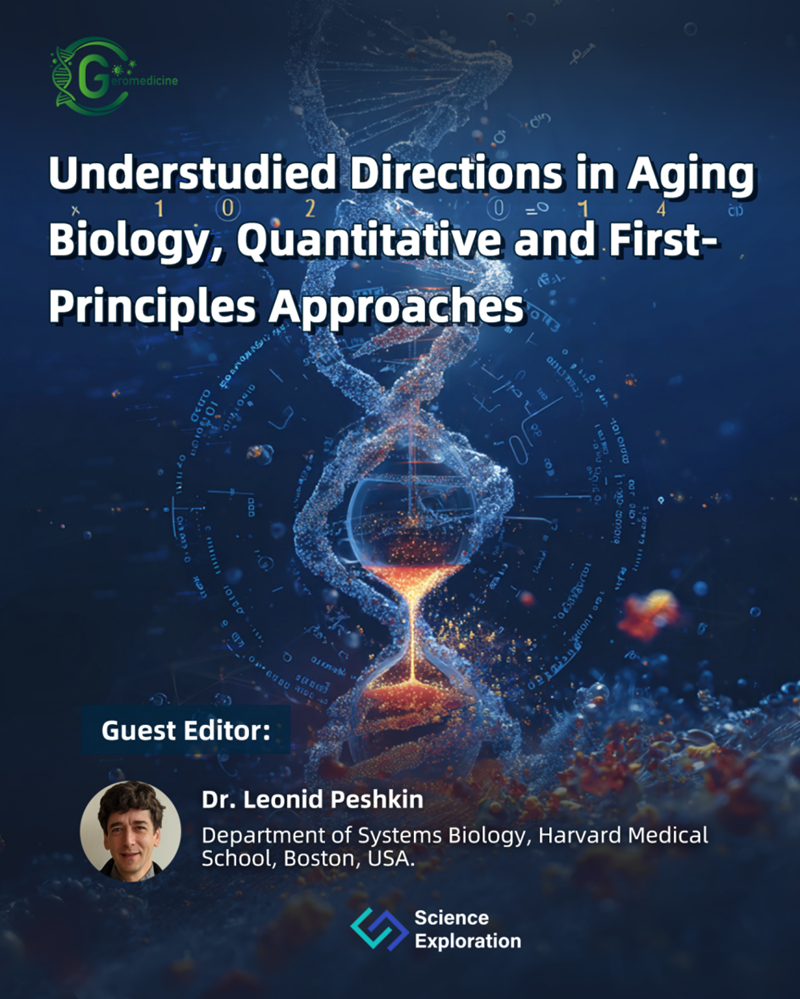
Understudied Directions in Aging Biology, Quantitative and First-Principles Approaches
-
Submission Deadline: 30 Jun 2026
-
Published articles: 0