
The Lymphatic-Immune Dialogue in Cancer: How Endothelial Cells Hold the Keys to Immunotherapy
Published On: 02 Jun 2026
Views: 382
Subscribe
Speaker(s)
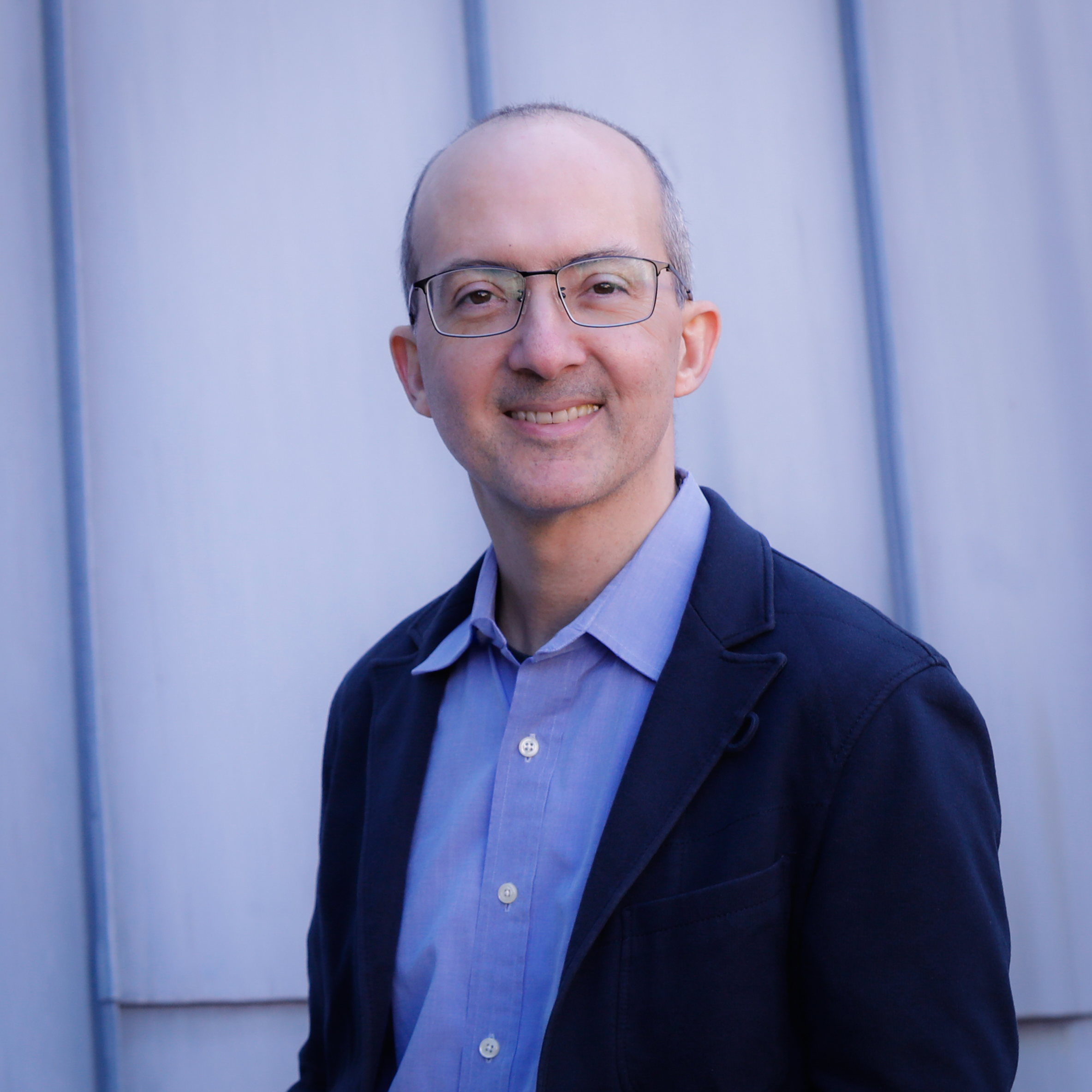
Prof. Brent R. Stockwell
Department of Biological Sciences, Department of Chemistry, Department of Pathology and Cell Biology, Columbia University, New York, NY, USA.
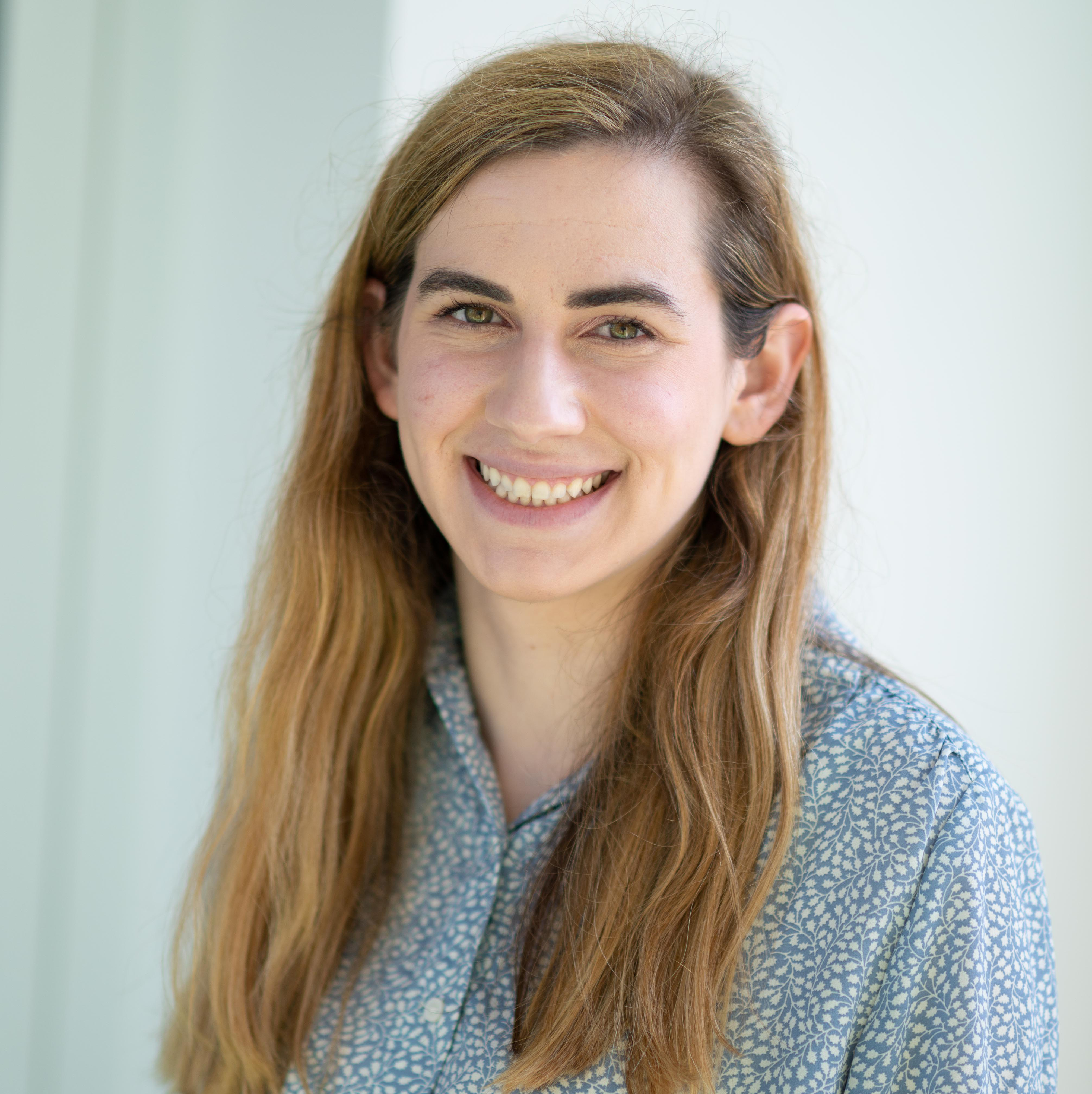
Dr. Kathryn A Jacobs
Cell Death Research and Therapy Laboratory, Center for Cancer Biology, VIB, Leuven, Belgium.
Department of Cellular and Molecular Medicine, KU Leuven, Leuven, Belgium.
Introduction
In this episode of EXO Chats, host Prof. Brent Stockwell speaks with Dr. Kathryn Jacobs from VIB and KU Leuven about the paper "The Lymphatic Endothelial-Immune Dialogue in Cancer and Immunotherapy", published in EXO - Beyond the Cell. They challenge the traditional view that lymphatic vessels are merely passive routes for metastasis. Instead, Dr. Jacobs highlights how lymphatic endothelial cells (LECs) in lymph nodes actively control T cell trafficking via autophagy and S1P signaling. The lab’s work shows that blocking autophagy traps T cells in lymph nodes, thereby impairing immunotherapy. The discussion calls for modulating lymphatic function to improve cancer treatment, instead of simply blocking it.
Related article published in EXO: The lymphatic endothelial-immune dialogue in cancer and immunotherapy
Full Transcript
Speaker 1 (Prof. Brent Stockwell, Editor-in-Chief, Host)
For most of history, we've largely ignored the lymphatic system. The way that lymphatics have been described in cancer biology has typically been that they're the road that metastases use to escape.
But what if these lymph vessels are actually a key interaction with the immune system? What if the cells that line them are deciding which T cells get to leave the lymph node? And what if learning to listen to that conversation between lymph nodes and the immune system is the thing that can make immunotherapy work better for patients?
Welcome to EXO Chats, the podcast of EXO - Beyond the Cell, the journal from Science Exploration Press, dedicated to everything happening outside the cell, extracellular vesicles, secreted signals, stromal cross talk, and the tumor microenvironment. The whole ecosystem that cells live in is the focus of the journal.
I’m Brent Stockwell, and in each episode, we sit down with researchers who are drawing the maps of the world that cells live in. If you want to read the papers that we discuss, they're all open access, freely available at the website: EXO - Beyond the Cell.
Today's paper we're going to talk about is a review that I think is going to shape how a lot of people teach the field over the next few years. It's The Lymphatic Endothelial-Immune Dialogue in Cancer and Immunotherapy published in EXO in April.
And it's a synthesis of what the field has learned in the last few years about lymphatic endothelial cells in lymph nodes, LECS for short, and the argument that these cells are not just passive infrastructure.
So I'm thrilled to have one of the papers authors with us today. Dr. Kathryn Jacobs is a postdoctoral fellow in Patrizia Agostinis’s cell death research and therapy lab at the VIB center for cancer biology at KU Leuven in Belgium. She's a postdoctoral fellow, and she's been at the center of the lab’s work on how lymphatic endothelial cells use autophagy and lipid metabolism to control immune cell trafficking; and that work is reframing how we think about lymph nodes as a site of immune decision making.
So Kathryn, welcome to EXO Chats!
Speaker 2 (Dr. Kathryn Jacobs, Author, Guest)
Thanks for having me!
Speaker 1: Great! So, before we dive into the paper, can you give us a 60-second version of your scientific origin story? And just tell us a little about how you ended up spending your days thinking about the cells that line lymph vessels.
Speaker 2: Well, it's a bit of a strange turn, because I actually did my PHD on cancer stem cells in glioblastoma, and we were studying lysosomes and autophagy at that time, and how we could disrupt lysosomes and autophagy in GBM in these cancer stem cells to get a more effective therapy. Because of this background that I had in autophagy, when I went to apply to my postdoc, they were super interested in it, so I kind of shifted towards vessels and now I've been studying lymphatic vessels, but I've also been studying high endothelial venules, which are the other specialized vessels in the lymph node. And we've been studying autophagy in both contexts and the interplay between the two vessels.
Speaker 1: It sounds like a great decision to get into this area. So okay, well let's start with the paper, the reframing that's really at the heart of the paper. So, you argue that the lymphatic system actively controls immune decision makers. So, what was the point when in your work that shift clicked for you where you stopped seeing the lymphatic endothelial cells as passive players and started seeing them as being more actively involved in controlling T cells?
Speaker 2: Well, we were working on autophagy in the lymphatic vessels of the lymph node and we were really surprised that when we blocked autophagy, that the T cells were really getting stuck in the lymph node, and even if we gave these immunotherapies that we would expect to boost the anti-tumor response, they were still stuck in the lymph node and the tumors were growing uncontrollably.
So, to us this really showed us that like, oh, we would think we want to block lymphatic vessels and previous work in our lab showed that if you block autophagy and lymphatic vessels, you block lymphangiogenesis. So, we thought, you block autophagy, you block lymphangiogenesis, you get less metastasis, but actually you get this uncontrolled tumor growth because the immune cells get stuck, and we know that the immune cells are really what's important to control the tumor burden.
So, it was really at this point when we saw our lymph node full of T cells and that they were stuck that we really realized that blocking lymphangiogenesis is too simple of a strategy in terms of controlling these vessels.
Speaker 1: That's a great observation and a decision point you made. So, what’s your view on blocking lymphangiogenesis and controlling lymph node kind of biology? What's the right approach now?
Speaker 2: So, what we've been thinking based on our work and also some recent papers that have been coming out is that actually we should modulate the lymphatic vessels rather than completely block their lymphangiogenesis. So our paper showed that if you block autophagy, for instance, your T cells will get stuck, so that would argue for activation of autophagy to promote the function of these lymphatic vessels and promote the immune cells coming in, but there are other studies as well that showed that metabolic changes in the lymphatic vessels can also promote the immune cell trafficking to the tumor, so we see it more that like you would want to promote the immune function in the lymph node, because even if the metastatic cells got to the lymph node, if you had a healthy immune function, you might be able to block the metastasis at that point.
Speaker 1: Right, that totally makes sense. It sounds like then looking at autophagy, there was the key that was like the first insight. So, what made you look at autophagy there in the first place?
Speaker 2: Well, to be honest, before I joined the lab, there was already an ongoing project looking at the role of autophagy in lymphatics, but not in a cancer context and not in the lymph node. And what they saw was that really autophagy was controlling the metabolic identity of these lymphatics because it was affecting their key transcription factor Prox1, and without autophagy they couldn't maintain themselves and so when you had injury induced lymphangiogenesis, they would not proliferate. So this project was really based on that, and me and the other co-authors of this review, we worked together on this to really see what was happening then in their most basic context in the lymph node and what was happening there, and we really wanted to apply it to cancer because obviously we know that lymphatics are key to metastasis, so at the basis we were thinking that, oh, we would block autophagy, we would block metastasis, and everything would be great, but it was a bit more tricky than that in the end.
Speaker 1: Right, got it. So, let's talk about immune checkpoint blockade, which is related to what we've been talking about. A lot of people think of immune checkpoint blockade as critical breakthrough in cancer immunotherapy, and so can you tell us how this becomes relevant to lymphatic endothelial cells?
Speaker 2: Yeah, sure. We know that immune checkpoint blockade, how it works is that it activates the immune cells in the lymph nodes so that you get more of these activated immune cells coming to the tumor, which can better fight the tumor. And this works really well in a cold tumor where you don't have a lot of immune cells to begin with. So the route that they take tends to be lymphatic vessels, and so you would think that these lymphatic vessels then are key to the success of immune checkpoint blockade, because if the cells are activated but they're stuck in the lymph node, they can't really do anything and that's kind of what we showed in our paper is that if you block their exit because autophagy was controlling S1P, the molecule that tells them to exit, then it doesn't really matter how activated they get because they still stay stuck. So, you need the cues coming from the lymphatic vessels telling them where to go in order for the success of this kind of therapy.
Speaker 1: Yeah, it seems like that's going to have a huge impact on how we think about really leveraging immune checkpoint blockade. So that's really an important finding, I think. In terms of the lymphatic endothelial cells themselves, one of the things I found interesting in the paper is that instead of a kind of monolithic cell type, you argue that there are actually multiple kinds of lymphatic endothelial cells, different sub types.
So, tell us a little bit about how you started thinking about that, and which of these subtypes is most critical for these effects of immune regulation we're talking about.
Speaker 2: Yeah, so actually with the advent of single cell RNA sequencing, they exploded the amount of lymphatic endothelial cells that exist in our understanding of them because the first papers came out and they had multiple subtypes within the lymph node.
We always understood that we had some lymphatics that brought the antigens into the lymph node and some that then took the T cells out, but now we understand that even in the same vessel, we have one type at the top of the vessel and one type at the bottom of the vessel. That's really controlling the antigens and the immune cells coming through.
In our case in our paper, we found that the ceiling lymphatics, so the first lymphatics that the immune cells interact with, were really key to our mechanism, because when we blocked autophagy, they completely lost their identity and the key markers that we found in the single cell RNA sequencing. So, they seem to be the most important players.
However, we think that autophagy is kind of working in similar ways in all the lymphatics, because they all seem to change the S1P gradient when you block autophagy, but this one subtype was really the most changed when we looked at the single cell sequencing. So that was super interesting.
And there are more and more papers coming out about human single cell which identify more and more sub types. The truth is that as you said at the beginning, lymphatics are completely understudied, so the field has a lot to go forward with to really fully understand the role of each of these subtypes we've now identified.
Speaker 1: That's super interesting. And do we know if the findings that you reported about sphingosine-1-phosphate which you just touched on in cholesterol lipid metabolism, regulating lymphatic endothelial cell decisions and immune decisions, are those equally important across these different subtypes? Or do you think that lipid signaling is more important in some subtypes?
Speaker 2: I think lipid signaling is really important when you have lymphangiogenesis happening. So, when you need the lymphatic vessels to proliferate, then the lipid signaling becomes key because they clearly need this metabolism in order to create more of their key identity markers downstream of Prox1, and to make more lymphatic vessels.
But what we saw actually in the second study, in the S1P study was that we didn't see much lymphangiogenesis happening in the tumor context, and because of that, the lipid signaling didn't seem to be really as critical for those functions.
We haven't really explored it in models of inflammation, but it's something to consider for the future, because models of inflammation, we would expect much more lymphangiogenesis in the lymph node, and then they might be fighting against each other and I don't know which role would be the key role in the lymph node in those contexts.
Speaker 1: Got it. So it sounds like, as I said, I think these are some really critical findings about how we think of the lymphatic system and its cross talk with T cells and immunity and tumor control. So, have you so far seen that that message has any resistance? Are there any populations in the community that you think needs to be educated more about that, or is the message getting out now to people based on the review?
Speaker 2: I think the message is getting out, but I think something that I would like to touch on is that what's the most interesting thing about this role of autophagy in lymphatics, is that it's completely different in blood endothelial cells.
We had another study where we looked at tumour vessels and we block autophagy in those vessels. We get more adhesion molecules, so it completely promotes immune cells coming into the tumor and in that case blocking autophagy in combination with immune checkpoint blockade was really beneficial. So, if we're thinking about using therapy in the future that would modulate autophagy in lymphatic vessels, it would have to be lymphatic vessels targeted because it can't just be targeting all the compartments. It seems that different vessels have really opposing roles of autophagy, and to me that's really one critical aspect that we really need to explore in the future.
Speaker 1: Yeah, that's I think a really critical lesson that's emerging from a lot of single cell work, which is that there's different populations that respond differently to the same treatment. So, we really need to think about more targeted approaches to target specific populations. I think that's a really great point. So that actually brings me to my last question, which is if we think about the future, let's say we sit down again in five years, what would the lymphatic targeted intervention be at that time that you'd be most hopeful would have been realized? So, what would be sort of the therapeutic application that is the closest to being realized based on this work?
Speaker 2: Yes, so there's a recent work from the lab of Amanda Lund where they focused more on interferon signaling, and I think that is quite promising in terms of lymphatics, and I'd like to see where her research is going.
But in terms of my research, I would like to find a common pathway between blood and lymphatic vessels that alters vessels in the same positive way, so that we could target the entire vasculature and not have these opposing effects in the vasculature. And one thought that I had is to look at different stress responses other than autophagy to achieve that, because I think that autophagy is really maybe too specific and too different in different cellular contexts, but other stress responses might be more similar between the different vascular compartments.
Speaker 1: That makes a lot of sense. So okay, I think we can wrap up our podcast now.
Kathryn, it's been a really great discussion, a lot of fun. Actually, I really have a different view of lymph nodes now and how important they are in controlling immune responses and different ways that they can impact tumor control.
So, it changed the way that I think about this topic, and I think for a lot of readers as well, a lot of our listeners as well. And I want to thank you for coming on the podcast.
Speaker 2: Thanks for having me.
Speaker 1: And before I let you go, is there anywhere that our listeners can find you out in the world, social media, Twitter, BlueSky, your lab website, anywhere they should look for your next paper?
Speaker 2: I'm on LinkedIn, I'm on Twitter. You can find me through the article, I think if you find that, you can find me there.
Speaker 1: Perfect, okay. And for anyone listening, if you want to dig more into the paper, you can find it at the website, EXO - Beyond the Cell and if you just search for the title, The lymphatic endothelial-immune dialogue in cancer and immunotherapy, you'll be able to find the paper there.
So that's it for this episode of EXO Chats. Big thanks to Dr. Kathryn Jacobs for giving us some time with her brain and to tell us about the lab’s work that made this conversation possible. Thanks everybody for listening.
We'll see you next time beyond the cell.


Subscribe
