
Impact of Cellular Senescence on Hepatic Function and Targeted Intervention Strategies
Time
10:00 AM, September 29, 2026 (Beijing)Contact Us
Email: acrtjournal@sciexplor.comSpeaker
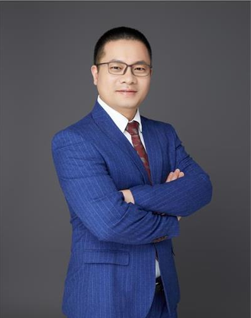
Prof. Yonghan He
Kunming Institute of Zoology, Chinese Academy of Sciences, Kunming, Yunnan, China.
Prof. Yonghan He, M.D., is a Principal Investigator at the Kunming Institute of Zoology, Chinese Academy of Sciences. His research focuses on the molecular mechanisms of ageing and cancer, as well as the development of gerotherapeutics and targeted therapies. He has published extensively in leading journals, including Nature Aging, Nature Communications, Journal of Hematology & Oncology, Pharmacology & Therapeutics, and Aging Cell. His work has contributed to the development of the PROTAC degrader DT2216, which has advanced to Phase II clinical trials, as well as the first near-infrared fluorescent probe for in vivo monitoring of senescent cells. He currently serves on the editorial boards of The Innovation, Aging and Disease, and Zoological Research.
Host
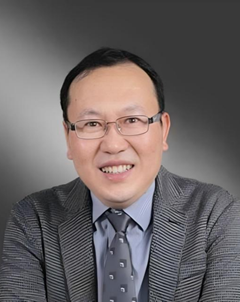
Prof. Qingpeng Kong
Kunming Institute of Zoology, Chinese Academy of Sciences, Kunming, Yunnan, China.
Prof. Qingpeng Kong is a Professor and Principal Investigator at the Kunming Institute of Zoology, Chinese Academy of Sciences, and a Distinguished Core Researcher of the Chinese Academy of Sciences. He is a recipient of several national talent awards and serves as a Principal Investigator of the National Key R&D Program of China. His research focuses on healthy ageing and human-derived anti-ageing factors, particularly the identification of endogenous factors associated with healthy longevity using multi-omics approaches and the investigation of their potential roles in promoting healthy ageing.
Introduction
Cellular senescence is increasingly recognized as a key driver of age-related liver dysfunction and chronic liver diseases. While senescence initially serves as a protective mechanism against tissue damage and malignant transformation, the accumulation of senescent cells and their pro-inflammatory secretory phenotype can disrupt hepatic homeostasis, impair regeneration, and promote disease progression. This presentation will discuss the impact of cellular senescence on liver function, highlight the underlying molecular mechanisms, and explore emerging targeted intervention strategies aimed at eliminating or modulating senescent cells to improve liver health and healthy ageing.


