
Muscle Stem Aging, Within and Beyond Muscle
Time
3:00 PM, October 20, 2026 (Beijing)Contact Us
Email: acrtjournal@sciexplor.comSpeaker
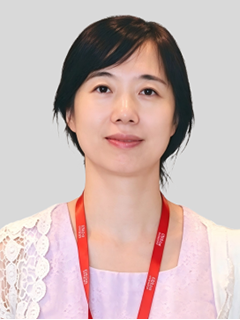
Prof. Ping Hu
Guangzhou Laboratory, Guangzhou, Guangdong, China.
Prof. Ping Hu is a Principal Investigator and PhD supervisor at Guangzhou Laboratory. Her research focuses on skeletal muscle regeneration, ageing, and healthy ageing, with particular interests in muscle stem cell biology and the mechanisms underlying age-related decline in muscle function. She established a long-term in vitro expansion system for functional muscle stem cells, providing a potential source of high-quality cells for the treatment of muscle degenerative diseases and supporting clinical translation. Her research has also identified blood-based biomarkers of sarcopenia and contributed to new strategies for improving the function of aged muscle and promoting muscle rejuvenation. Prof. Hu has played an active role in advancing skeletal muscle biology in China, including organizing the Chinese Symposium on Skeletal Muscle Biology and promoting international collaboration through the China–Europe Committee for Skeletal Muscle Biology. She received her BSc from Peking University and her PhD from Stony Brook University, with doctoral research conducted in collaboration with Cold Spring Harbor Laboratory.
Host
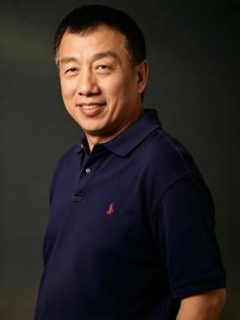
Prof. Dahai Zhu, PhD
Institute of Basic Medical Sciences, Chinese Academy of Medical Sciences, Beijing, China.
Prof. Dahai Zhu is a Professor at the Institute of Basic Medical Sciences, Chinese Academy of Medical Sciences. He previously served as Director of the Center for Cell Therapy and Small-Molecule Drug Development at Bioland Laboratory (Guangzhou Regenerative Medicine and Health Guangdong Laboratory) and Deputy Director of both the Institute and the State Key Laboratory of Molecular Medicine. His research focuses on cell fate determination, chromatin organization, stem cell biology, and skeletal muscle regeneration, with particular interests in lineage-specific chromatin architecture and the asymmetric division of skeletal muscle stem cells. He pioneered the concept of pioneer transcription factors as genome organizers and has contributed to the development of small-molecule therapies for muscular dystrophy and sarcopenia. He is a recipient of the National Science Fund for Distinguished Young Scholars, the NIH Merit Award, and the NIH Fellow Award for Research Excellence, and serves on the Supervisory Board of the Chinese Society for Cell Biology (CSCB). His research has been published in leading journals including Nature Medicine, Cell Metabolism, Cell Research, Genome Biology, and Nature Communications.
Panelists
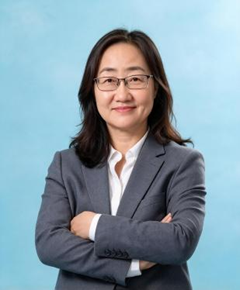
Prof. Huating Wang
Department of Orthopaedics and Traumatology, Li Ka Shing Institute of Health Sciences, The Chinese University of Hong Kong, Hong Kong, China.
Prof. Huating Wang is a Professor at the Department of Orthopaedics and Traumatology and the Li Ka Shing Institute of Health Sciences, The Chinese University of Hong Kong. She received her BSc in Environmental Chemistry from Nanjing University in 1996 and her PhD in Molecular Virology from The Ohio State University in 2004, followed by postdoctoral training at the Ohio State University Comprehensive Cancer Center supported by an NIH F32 Fellowship. Since 2004, her research has focused on the intrinsic and extrinsic regulation of skeletal muscle stem cells in muscle regeneration, disease, and ageing, as well as strategies for combating sarcopenia and promoting healthy ageing. She has published more than 90 papers as a corresponding author in journals including Nature Communications, Science Advances, EMBO Journal, Cell Research, Nucleic Acids Research, and Genome Biology. Prof. Wang is a founding member of the Chinese Society for Skeletal Muscle Research and an active member of the Chinese Society for Aging Research and the Guangdong Society for Stem Cell Research. She also serves on the editorial boards of Skeletal Muscle, Life Medicine, and Journal of Translational Orthopaedics, and is the founder of Senelixier Biotechnology, a company focused on ageing research and the development of anti-ageing therapeutics. She has supervised more than 30 PhD students and 15 postdoctoral researchers.
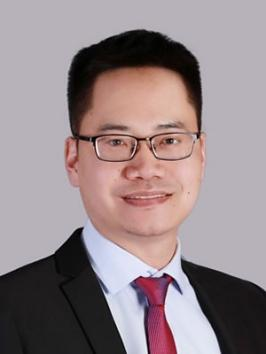
Prof. Hongbo Zhang
Zhongshan School of Medicine, Sun Yat-sen University, Guangzhou, Guangdong, China.
Prof. Hongbo Zhang is a professor and doctoral supervisor at the Zhongshan School of Medicine, Sun Yat-sen University. He is a selected participant in the National High-level Talent Program for Young Talents, a “Young Pearl River Scholar” in Guangdong, and an outstanding young talent introduced by Sun Yat-sen University. He earned his PhD in 2016 from the Swiss Federal Institute of Technology Lausanne (EPFL), where he studied under Professor Johan Auwerx, a leading scientist in metabolism. In 2017, he was recruited through Sun Yat-sen University's “Hundred Talents” Program. His research group integrates single-cell multi-omics with molecular and cellular biology, model organisms, and clinical samples to investigate the fundamental regulatory mechanisms of aging. Drawing on insights from developmental biology, the group aim to develop novel strategies to enhance regenerative capacity in aged tissues. The team has previously constructed the first single-cell atlases of human limb development and skeletal muscle aging. Their studies revealed the critical role of mitochondria in maintaining stem cell function and proposed mitochondrial metabolic imbalance as a key driver of stem cell aging. Related findings have been published in Nature, Science, Nature Aging, and Science Translational Medicine. He has also been invited to write reviews for journals such as Nature Reviews Endocrinology and Science Bulletin, and holds three granted international/domestic invention patents and three software copyright.
Introduction
This session explores the mechanisms underlying muscle stem cell aging and their broader implications for muscle regeneration, tissue homeostasis, and systemic aging. It focuses on the intrinsic regulation of muscle stem cell function, the roles of metabolic and epigenetic changes, and the interactions between muscle stem cells and their surrounding environment. The session also examines key questions regarding mechanistic validation and potential intervention strategies, highlighting connections between stem cell biology, muscle function, and healthy aging.
Presentation
Journal Introduction
65
Scientific Presentation
102
Open Discussion
104


