
Beyond the Molecular Map: Decoding the Complexity of Human Biology Through Spatial Omics
Time
Tuesday, November 24 at 8:00 PM (Eastern Time)Wednesday, November 25 at 9:00 AM (Beijing Time)
Join us via Zoom:
Meeting ID: 864 8698 2334
Passcode: 039940
Contact Us
Email: exojournal@sciexplor.comSpeakers
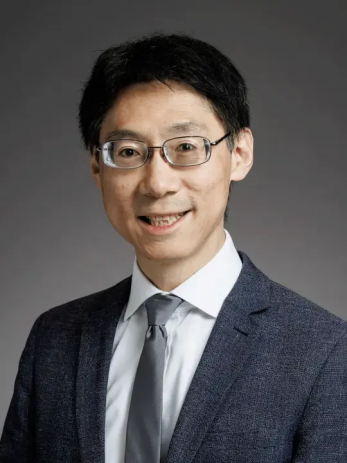
Prof. Rong Fan
Department of Biomedical Engineering, Yale University, New Haven, CT, USA.
Dr. Rong Fan is the Harold Hodgkinson Professor of Biomedical Engineering and of Pathology at Yale University. He received a Ph.D. in Chemistry from the University of California at Berkeley and completed the postdoctoral training at California Institute of Technology before joining the faculty at Yale University in 2010. His current interest is focused on developing single-cell and spatial omics technologies to interrogate functional cellular heterogeneity and inter-cellular signaling network in human health and disease. He co-founded IsoPlexis, Singleron Biotechnologies, and AtlasXomics. He served on the Scientific Advisory Board of Bio-Techne. He is the recipient of a number of awards including the National Cancer Institute’s Howard Temin Career Transition Award, the NSF CAREER Award, and the Packard Fellowship for Science and Engineering. He has been elected to the American Institute for Medical and Biological Engineering (AIMBE), the Connecticut Academy of Science and Engineering (CASE), and the National Academy of Inventors (NAI).
Introduction of the featured talk
Spatial omics bridges the gap between tissue architecture and its molecular basis by linking molecular regulation with cellular identity, tissue organization, and local microenvironments. Our laboratory pioneered spatial multi-omics technologies, including DBiT for spatial transcriptome–protein co-mapping (Cell, 2020), spatial epigenome profiling through spatial-ATAC-seq (Nature, 2022) and spatial-CUT&Tag (Science, 2022), joint epigenome–transcriptome profiling (Nature, 2023), and Patho-DBiT for spatial RNA profiling in archival FFPE tissues (Cell, 2024). These approaches enable the investigation of noncoding transcripts, RNA regulation, malignant subclones, and cellular neighborhoods directly in human tissues. By integrating spatial multi-omics with artificial intelligence (AI), we aim to develop predictive models of human tissue biology, uncover disease mechanisms, identify therapeutic targets, and advance precision health. This talk will explore how engineering, spatial multi-omics, and AI are converging to decode and model human biology, aging, and disease, opening new opportunities for diagnosis and therapy.
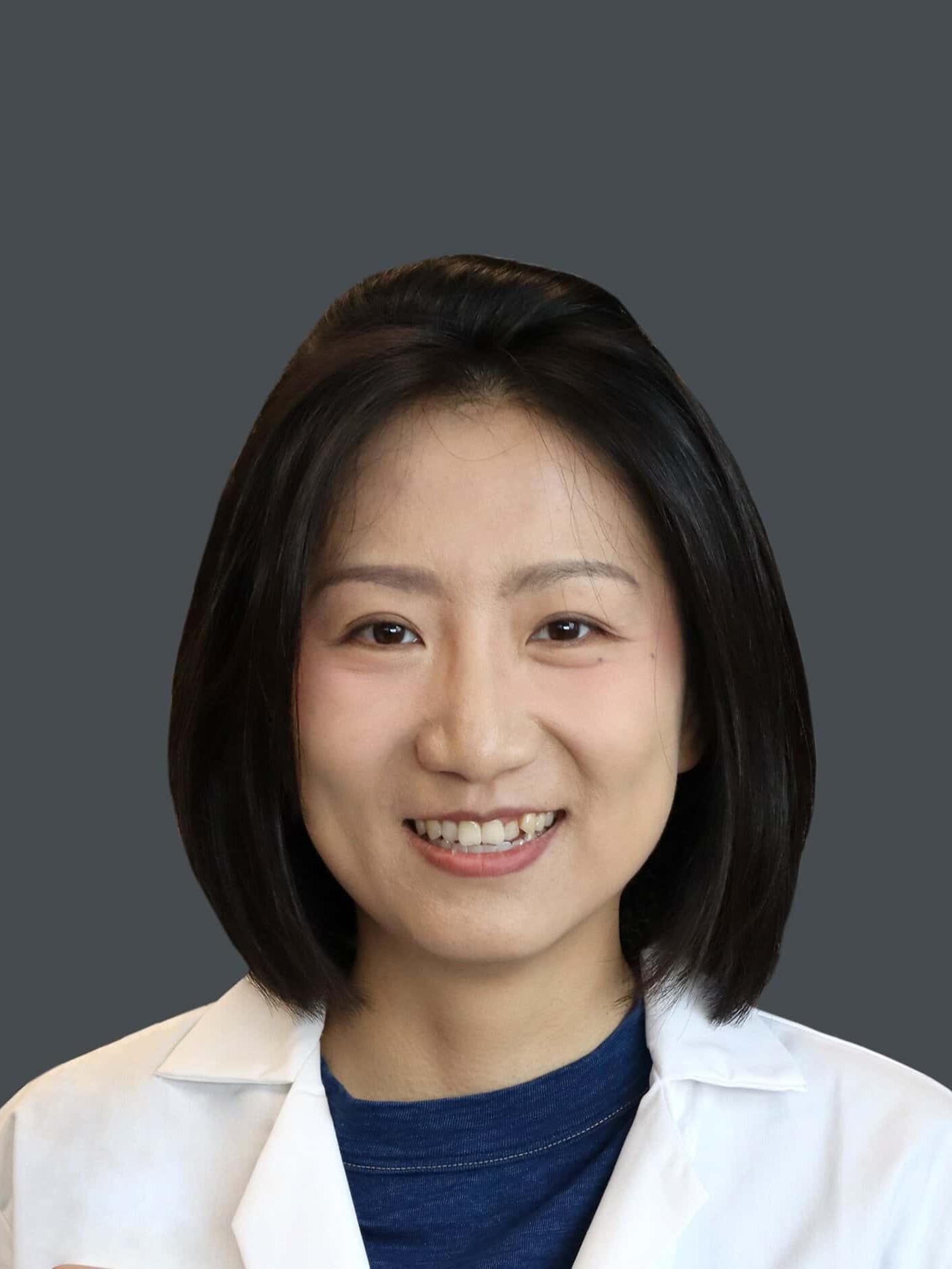
Dr. Yang Xiao
Department of Pathology, University of Michigan Medical School, Ann Arbor, MI, USA.
Dr. Xiao is a molecular pathologist and bioengineer at the forefront of single-cell and spatial biology. Her current research focuses on understanding the cellular changes in cerebral microenvironments following traumatic brain injury.
Dr. Xiao earned her Bachelor’s degree at McGill University and received her Ph.D. in Biomedical Engineering from Yale University. Under the mentorship of Dr. Rong Fan, her doctoral work investigated brain tumor invasion in the perivascular niche using single-cell sequencing and organ-on-a-chip models. Dr. Xiao completed her postdoctoral training in Dr. Kam Leong's lab at Columbia University. Her research focused on translating single-cell and spatial omics findings into psychiatric disorders, particularly Major Depressive Disorder.
Introduction of the spotlight talk
Traumatic brain injury (TBI) is a major cause of mortality and long-term disability worldwide, affecting millions of individuals each year and giving rise to complex neurological complications. Cellular stress and neuronal injury are spatially heterogeneous, varying across cortical layers, vascular niches, and between the ipsilateral (injured) and contralateral (uninjured) hemispheres. We developed OmicGlaze, an integrated experimental and computational workflow for systematically profiling the spatial transcriptome and epigenome of the mouse brain following mild TBI. Using a spatial scoring framework, we identified region-specific biological responses to injury, including alterations in neuronal activity, cellular stress, immune responses, and gliosis. We further identified the transcription factor Atf3 as a key regulator of injury-induced cellular stress.


