Advances in the catalytic asymmetric synthesis of chiral sulfur compounds bearing S=N bonds

Guofeng Zhao
1

,
Yutong Zhao
1
,
Xiaorui Ren
1
,
Qianyu Zhang
1
,
Chang Lu
1
,
Bing Xu
2,*
,
Zhan-Ming Zhang
3,4,*
*Correspondence to:
Bing Xu, School of Pharmacy, Naval Medical University, Shanghai 200433, China.
E-mail: xubing_0520@163.com
Zhan-Ming Zhang, Department of Chemistry, Fudan University, Shanghai 200438, China; Fudan Zhangjiang Institute, Shanghai 201203, China. E-mail: zhanmingzhang@fudan.edu.cn
Zhan-Ming Zhang, Department of Chemistry, Fudan University, Shanghai 200438, China; Fudan Zhangjiang Institute, Shanghai 201203, China. E-mail: zhanmingzhang@fudan.edu.cn
Chiral Chem. 2027;3:202642. 10.70401/cc.2026.0044
Received: September 08, 2026Accepted: October 21, 2026Published: October 22, 2026
Abstract
Chiral sulfur(IV) and sulfur(VI) compounds bearing S=N bonds are important structural units in drug discovery, materials science, and asymmetric catalysis. The presence of a stereogenic sulfur atom increases the three-dimensional complexity of molecules, allowing for the precise tuning of their physicochemical properties and biological target-binding affinities. However, the highly stereoselective construction of these high-valent sulfur centers has long been a significant synthetic challenge. This review summarizes recent progress, primarily covering literature from 2020 to 2026, in the catalytic asymmetric synthesis of chiral sulfur compounds bearing S=N bonds. For S(IV) motifs including sulfilimines, sulfinamidines, and sulfinimidate esters, we examine advances in transition-metal catalysis and organocatalysis, highlighting recent breakthroughs in radical cross-coupling and direct asymmetric amination. For S(VI) frameworks including sulfoximines, sulfonimidamides, sulfonimidate esters, and sulfonimidoyl fluorides, the discussion covers asymmetric C–H functionalization, dynamic kinetic asymmetric transformations (DyKAT), and stereospecific oxidative transfers from enantioenriched S(IV) precursors. We highlight stereocontrol strategies, reaction mechanisms, and substrate scopes. We also discuss current limitations and suggest possible directions for future work, with an emphasis on more sustainable catalytic methods and modular strategies for building new functional molecules.
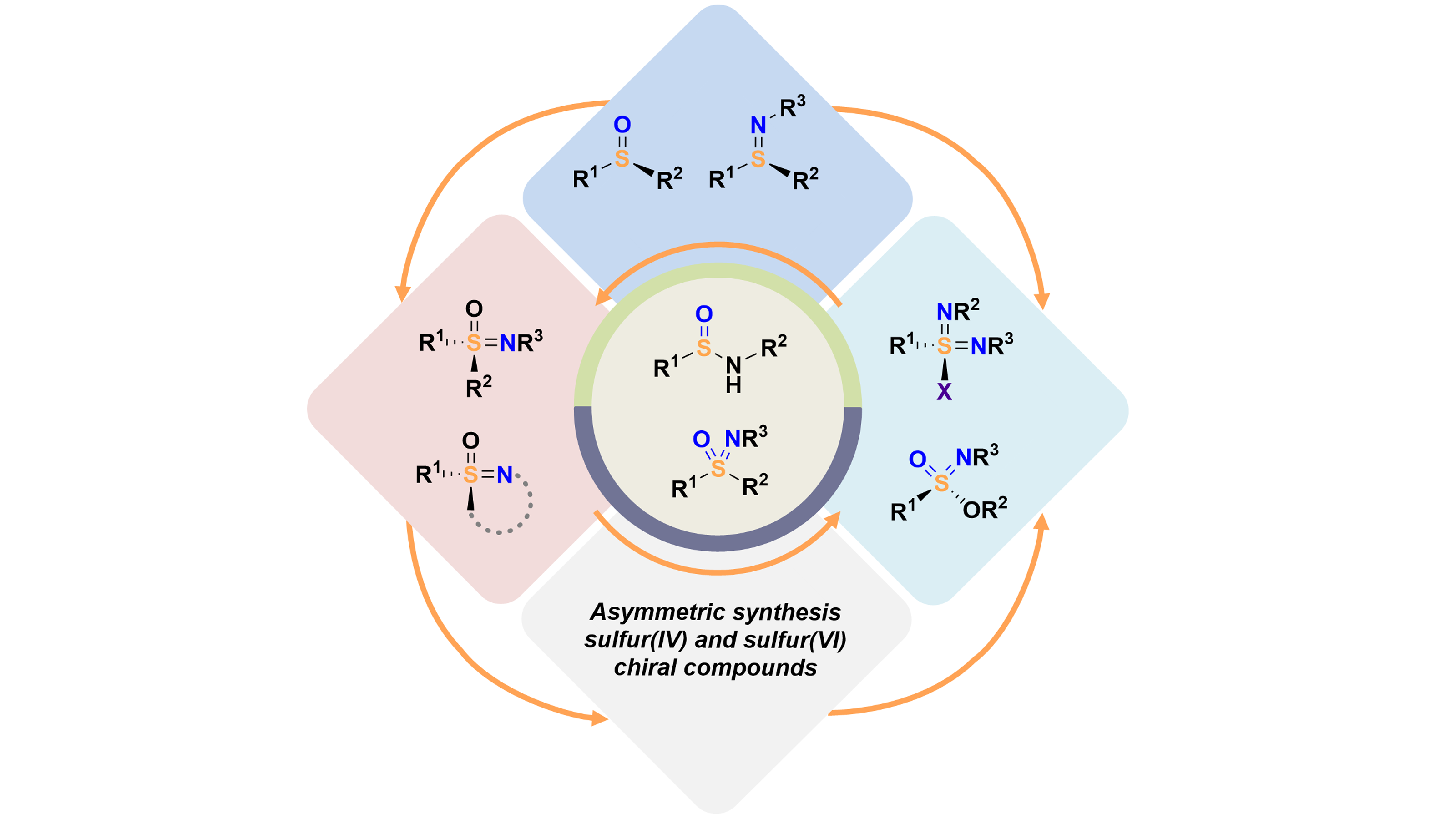
Graphical Abstract
Keywords
Asymmetric catalysis, sulfur stereocenters, sulfilimines, sulfoximines, sulfonimidamides
1. Introduction
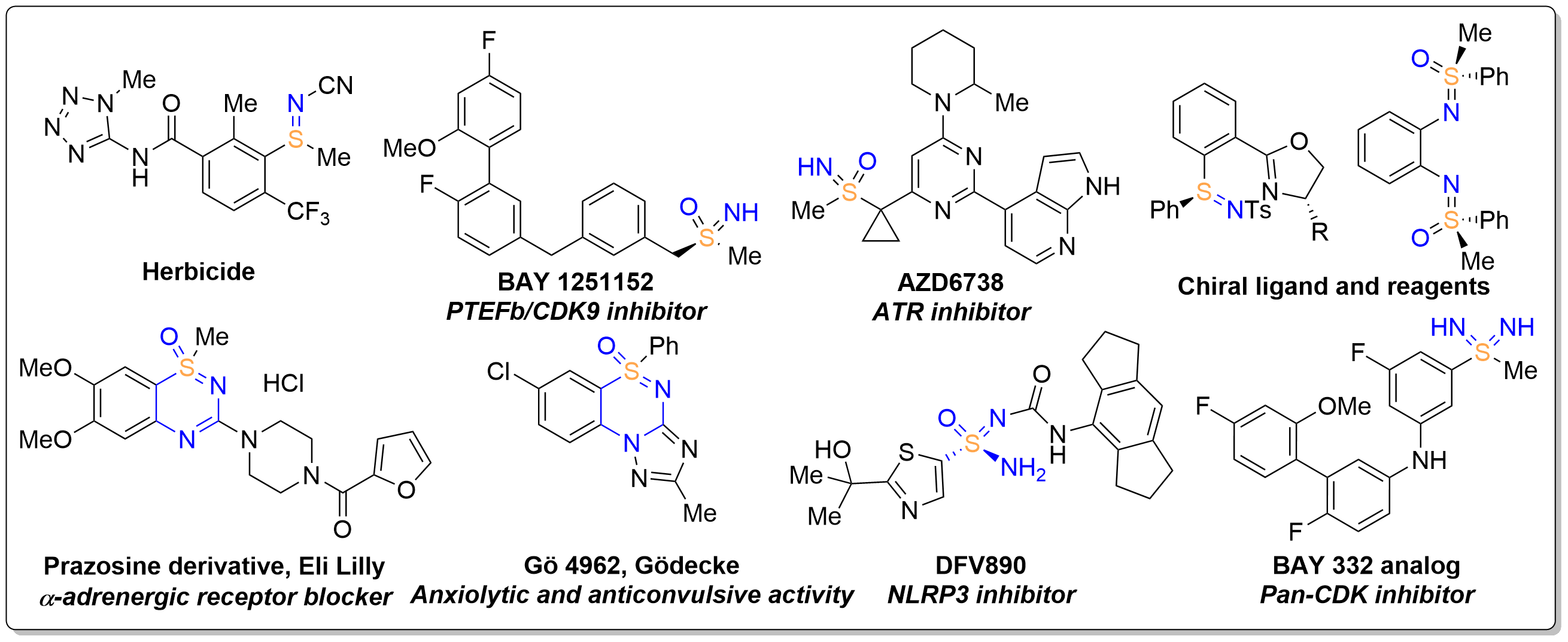
Sulfur exists in multiple oxidation states, providing diverse functionalization pathways in organic synthesis. While achiral high-valent sulfur groups, such as sulfones and sulfonamides, have served as standard pharmacophores in drug design since the 1930s, modern pharmaceutical research increasingly demands molecules with higher three-dimensional complexity to improve target binding affinity and aqueous solubility. Consequently, synthetic focus has shifted toward sulfur-stereogenic structures, particularly tetravalent sulfur(IV) and hexavalent sulfur(VI) compounds[1-5]. The spatial arrangement of substituents around a chiral sulfur center can significantly modulate a molecule's metabolic stability and biological interactions[6-9]. This relationship is shown by the clinical use of sulfur(IV)-derived sulfoxides such as esomeprazole[10-12]. For sulfur(VI)-based therapeutics, sulfoximines were identified early on as a highly promising yet historically neglected class of functional groups in medicinal chemistry[13]. Selected sulfoximine-containing drug candidates, including the ATR inhibitor ceralasertib (development code AZD6738)[14,15] and the PTEFb/CDK9 inhibitor BAY 1251152[16,17], have entered clinical evaluation, whereas the early foundational sulfoximine scaffold Gö 4962 is supported mainly by preclinical pharmacological studies[18,19]. In parallel, the sulfonimidamide-containing anti-inflammatory candidate DFV890 represents another distinct class of chiral sulfur agent under clinical development[20-22]. These molecules collectively highlight the broad therapeutic potential of chiral sulfur architectures (Figure 1). Accordingly, the exploration of general and innovative methodologies for the construction of chiral sulfoxides and their derivatives remains of paramount importance.
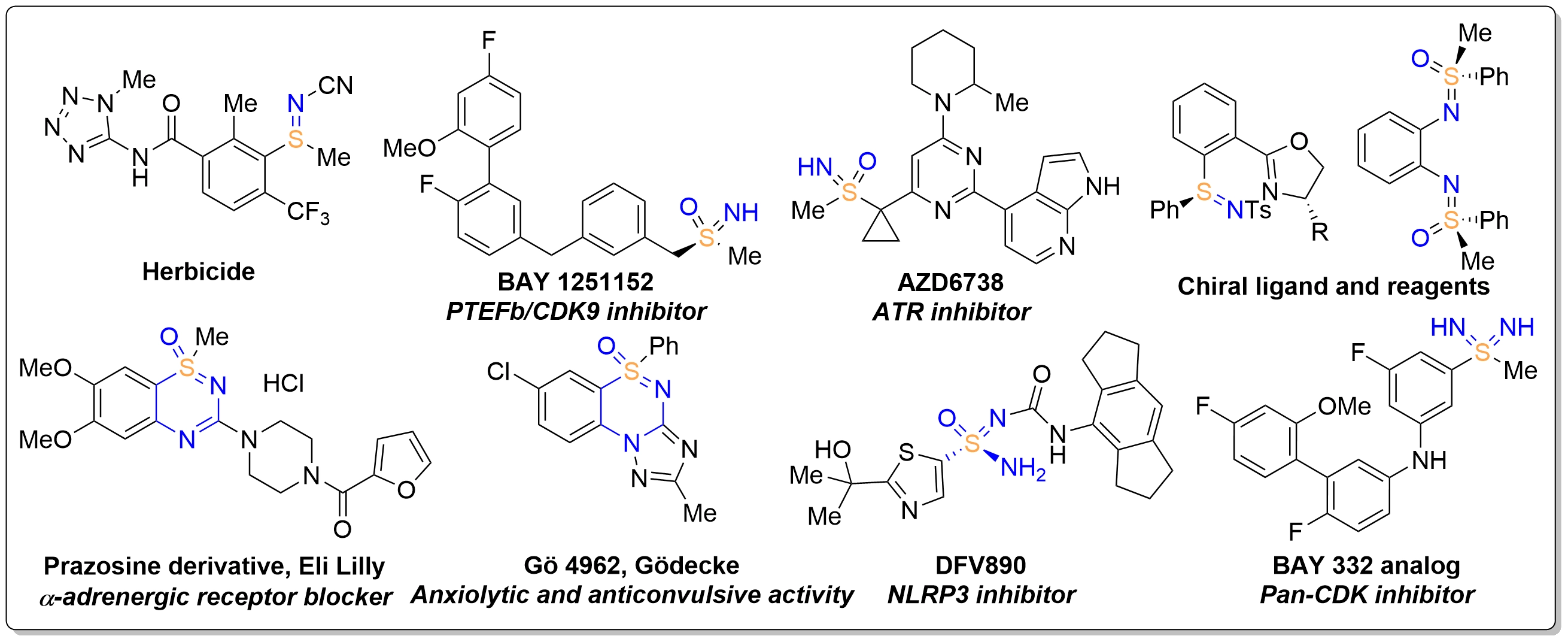
Figure 1. Representative examples of chiral sulfur(IV) and sulfur(VI) compounds with versatile functionalities.
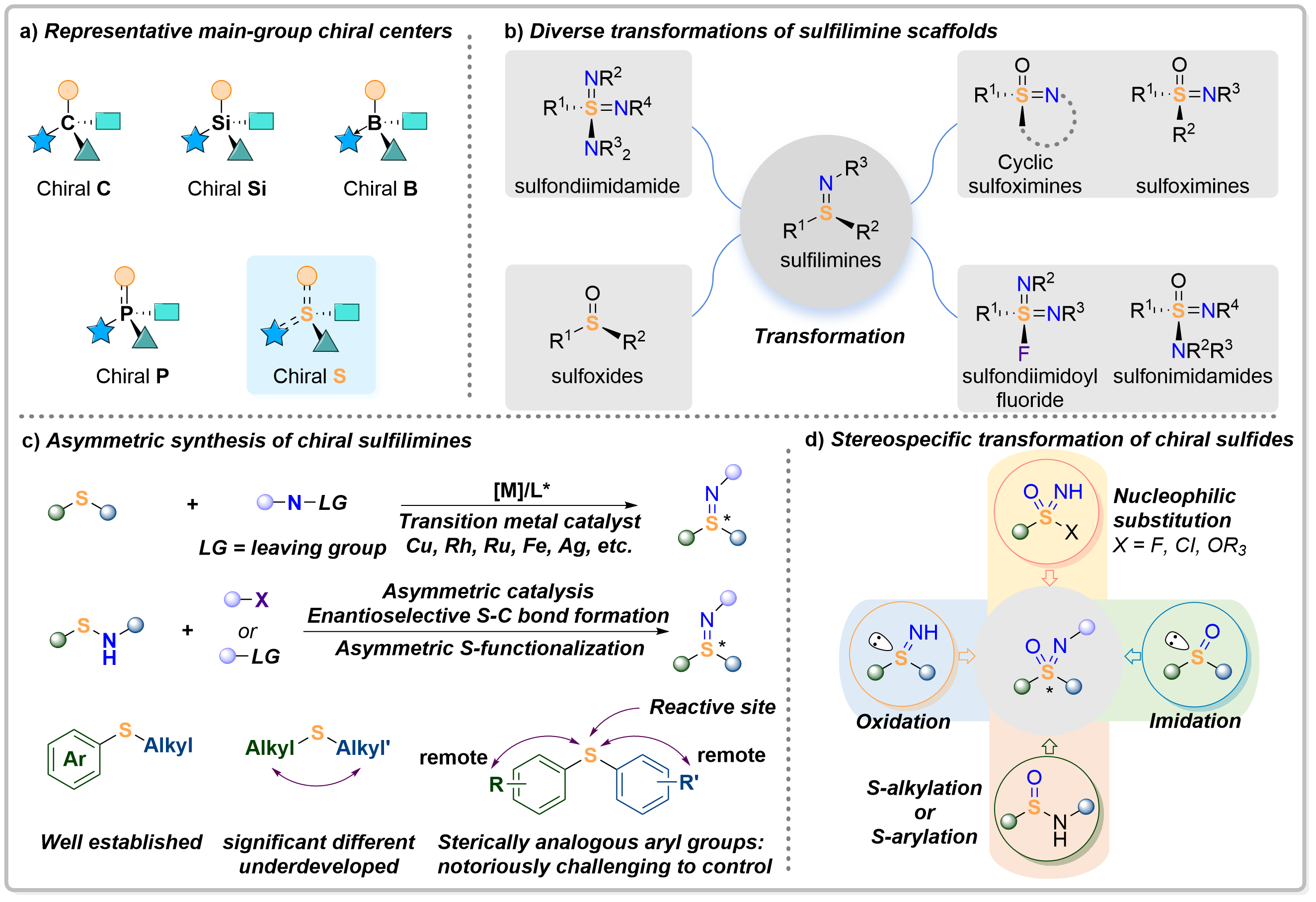
Historically, the exploration of molecular chirality has expanded from carbon to various heteroatoms[23-26]. As illustrated in Figure 2a, the historical development of stereocenters across these atoms displays a clear trend toward increasing structural complexity. Among them, sulfur-stereogenic compounds have attracted particular attention. Based on the valence state of the sulfur atom, these compounds are primarily categorized into S(IV) compounds bearing a stereogenic lone pair (e.g., sulfoxides, sulfinamides, sulfinate esters, and sulfilimines) and S(VI) compounds with a tetrahedral geometry (e.g., sulfoximines, sulfonimidamides, and sulfonimidoyl fluorides)[27-32]. Accessing these compounds with high enantiomeric excess initially relied on classical resolution techniques or the use of stoichiometric chiral auxiliaries. These conventional methods typically suffered from restricted substrate scopes, multiple synthetic steps, and poor atom economy[33-37]. To overcome these limitations, modern asymmetric catalysis has increasingly focused on developing highly efficient, direct synthetic routes. Among the diverse sulfur-stereogenic targets, chiral sulfilimines have emerged as a particular focal point, primarily owing to their exceptional utility in organic synthesis. Rather than being merely stable end-products, these compounds serve as highly versatile synthetic hubs. As illustrated in Figure 2b, the S(IV) sulfilimine scaffold can undergo diverse stereospecific transformations. Through well-designed oxidations, substitutions, and functionalizations, enantioenriched sulfilimines can be cleanly converted into the corresponding S(IV) sulfoxides, or elaborated into a wide array of complex S(VI) architectures with complete chirality transfer. This divergent transformability enables the modular assembly of cyclic and acyclic sulfoximines, sulfonimidamides, sulfondiimidamides, and sulfonimidoyl fluorides.
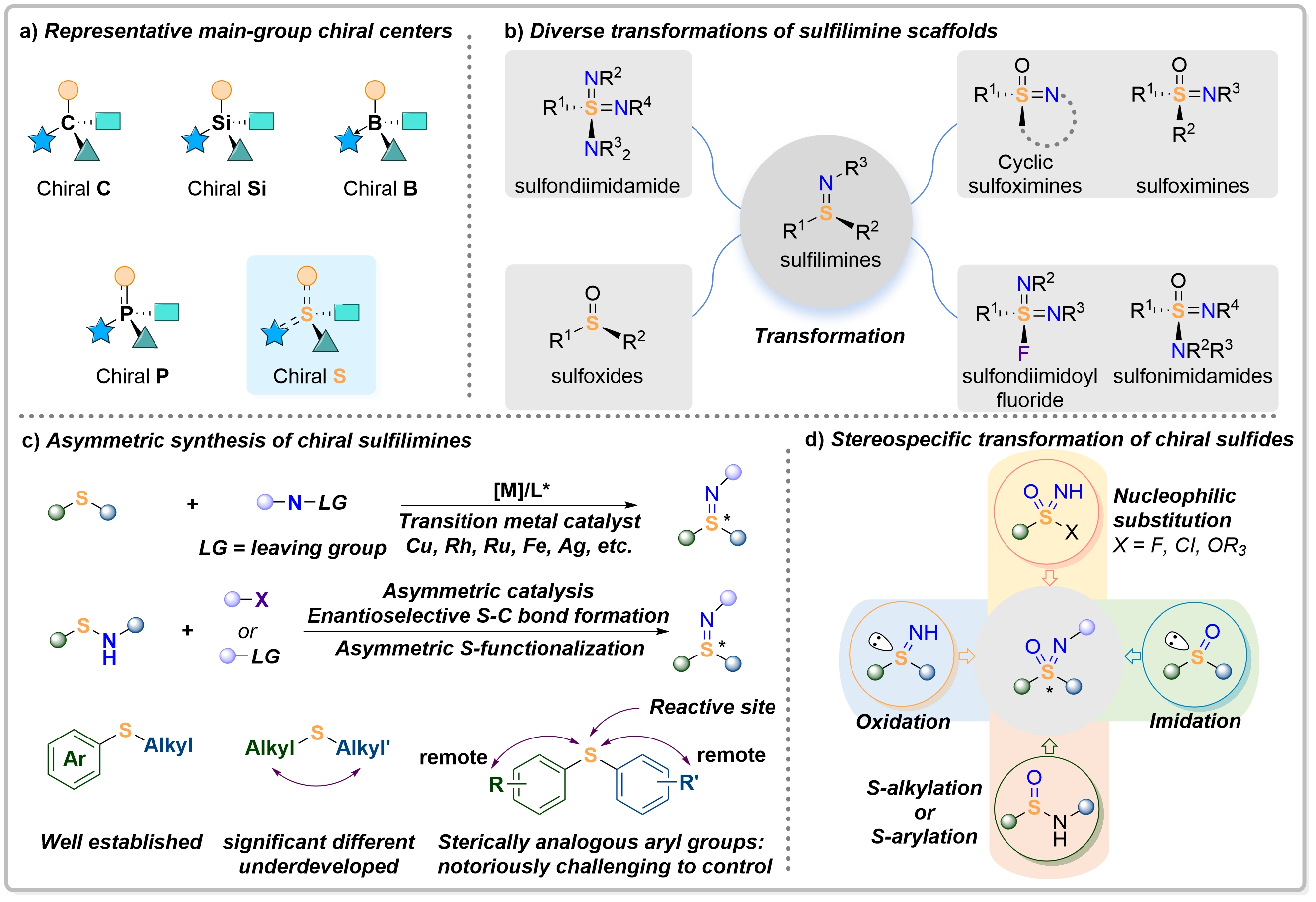
Figure 2. (a) Representative main-group chiral centers, illustrating the expansion of molecular chirality beyond carbon; (b) Diverse transformations of chiral sulfilimines, demonstrating their utility as versatile synthetic hubs for complex S(IV) and S(VI) architectures; (c) Catalytic asymmetric synthesis of chiral sulfilimines via transition-metal-catalyzed sulfide imidation or enantioselective S-functionalization of sulfenamides; (d) General strategies for constructing chiral S(VI) compounds through the stereospecific transformations of enantioenriched S(IV) precursors.
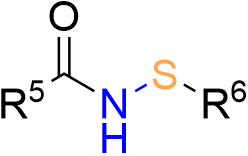
Despite their profound synthetic value, the catalytic asymmetric construction of such versatile sulfilimines remains a formidable task. While recent developments in catalytic asymmetric methodologies have provided more efficient and sustainable routes to sulfur-stereogenic scaffolds, a primary synthetic challenge in the assembly of sulfur(IV) centers, encompassing sulfinates, sulfinamides, and sulfilimines, lies in the precise differentiation of sterically similar substituents. For chiral sulfilimines specifically, this inherent difficulty severely hampers their conventional synthesis, which predominantly relies on the direct enantioselective imidation of thioethers. Although significant progress has been made in these enantioselective imidation strategies, the synthesis of optically pure sulfilimines bearing two structurally similar carbon substituents remains an intrinsic challenge. To overcome this limitation, researchers have developed alternative synthetic routes starting from sulfenamides or chiral sulfinamides, which enable the preparation of various enantioenriched chiral sulfilimines. In this context, transition-metal-catalyzed reactions involving sulfenamides and their synthetic equivalents have attracted considerable research interest, with palladium, rhodium, nickel, copper and gold as the most widely employed catalysts. Extensive efforts have thus been dedicated to the synthesis of chiral sulfilimines through the sulfur functionalization of sulfenamides (Figure 2c).
In parallel, research on chiral S(VI) compounds has grown significantly[38-40]. Within this hexavalent family, sulfoximines stand out as one of the most prominent and extensively investigated classes. Sulfoximines, acting as monoaza-isosteres of sulfones, possess a chiral sulfur center, an S=N double bond, and a weakly nucleophilic nitrogen atom. Because of the stereochemical complexity of S(VI) centers, accessing these compounds has historically relied on the aforementioned S(IV) chemistry. Stereospecific transformations of S(IV) substrates, such as the oxidation of chiral sulfilimines or the S-functionalization of chiral sulfinamides, are commonly adopted strategies for constructing hexavalent sulfur stereocenters. More recently, however, direct catalytic methods such as DyKAT and three-dimensional sulfur(VI) fluoride exchange (3D-SuFEx) chemistry have provided powerful new pathways to access highly functionalized S(VI) molecules directly from achiral or racemic precursors (Figure 2d).
To minimize overlap with prior reviews, this work focuses on chiral sulfur architectures bearing S=N bonds, covering S(IV) species (sulfilimines, sulfinamidines, sulfinimidate esters) and S(VI) species (sulfoximines, sulfonimidamides, sulfonimidate esters, sulfonimidoyl fluorides). We highlight advances reported between 2020 and 2026, with particular attention to post-2023 methodologies including radical cross-coupling, DyKAT, and enantioselective 3D-SuFEx chemistry. Chiral sulfur compounds lacking S=N motifs, including sulfoxides, sulfinate esters, and RNSO-based species, are not addressed herein as they have been comprehensively discussed in authoritative reviews[4,5], and this work is distinguished by its organizational framework centered on S=N bond construction, S(IV)-S(VI) synthetic interconversion, and systematic comparison of catalyst loading, reaction conditions, stereoselectivity, and scalability.
2. Catalytic Asymmetric Synthesis of Chiral Sulfilimines
2.1 Asymmetric imidation via nitrene transfer
Enantioselective nitrene transfer to sulfides is the most direct route to sulfilimines; the central stereochemical challenge is to discriminate the two sulfur substituents within the coordination sphere of a metal-bound nitrenoid. Iminoiodinanes and 4,2-dioxazol-5-ones are highly effective precursors for electrophilic nitrogen transfer. Under mild conditions, they readily decompose to release reactive neutral nitrenes. Because their nitrogen-bound substituents are easily tunable, these reagents offer significant synthetic flexibility, most notably in sulfur imidation. Whether activated by transition-metal catalysis, photochemistry, electrochemistry, or metal-free systems, they smoothly oxidize sulfides to sulfilimines and sulfoxides to sulfoximines. Building upon this versatile reactivity, pioneering work by the groups of Uemura, Katsuki, Bolm, Bach, and others over the past decade has firmly established the enantioselective nitrene transfer to aryl alkyl sulfides. These combined advances provide a robust platform for assembling complex chiral sulfur centers.
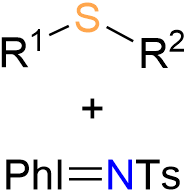
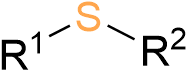
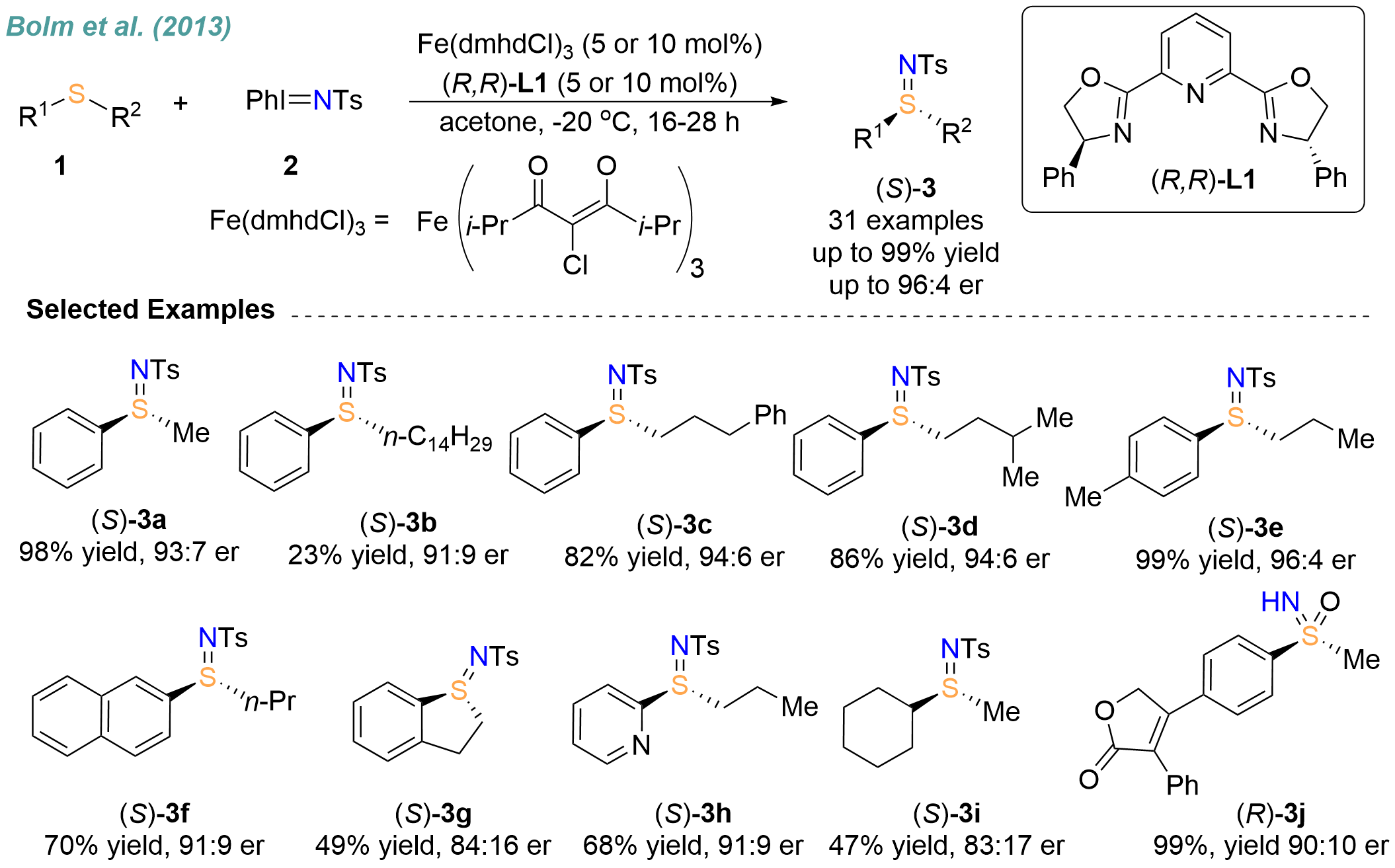
In 2013, Bolm and co-workers described an iron-catalyzed asymmetric imidation of sulfides (1) via enantioselective nitrene transfer, utilizing a chiral iron(III)/PyBOX (L1) catalytic system with PhI-NTs (2) as the nitrogen source[41]. Optimized in acetone at -20 °C, this air- and moisture-tolerant protocol is operationally simple, exhibits a broad substrate scope, and affords a range of optically active sulfimides (3) with enantiomeric ratios up to 96:4. The synthetic utility of the method was further demonstrated through the stereospecific oxidation of the resulting sulfimides to bioactive sulfoximines, including a Vioxx analogue, and their application in the diastereoselective formation of epoxides (Scheme 1).
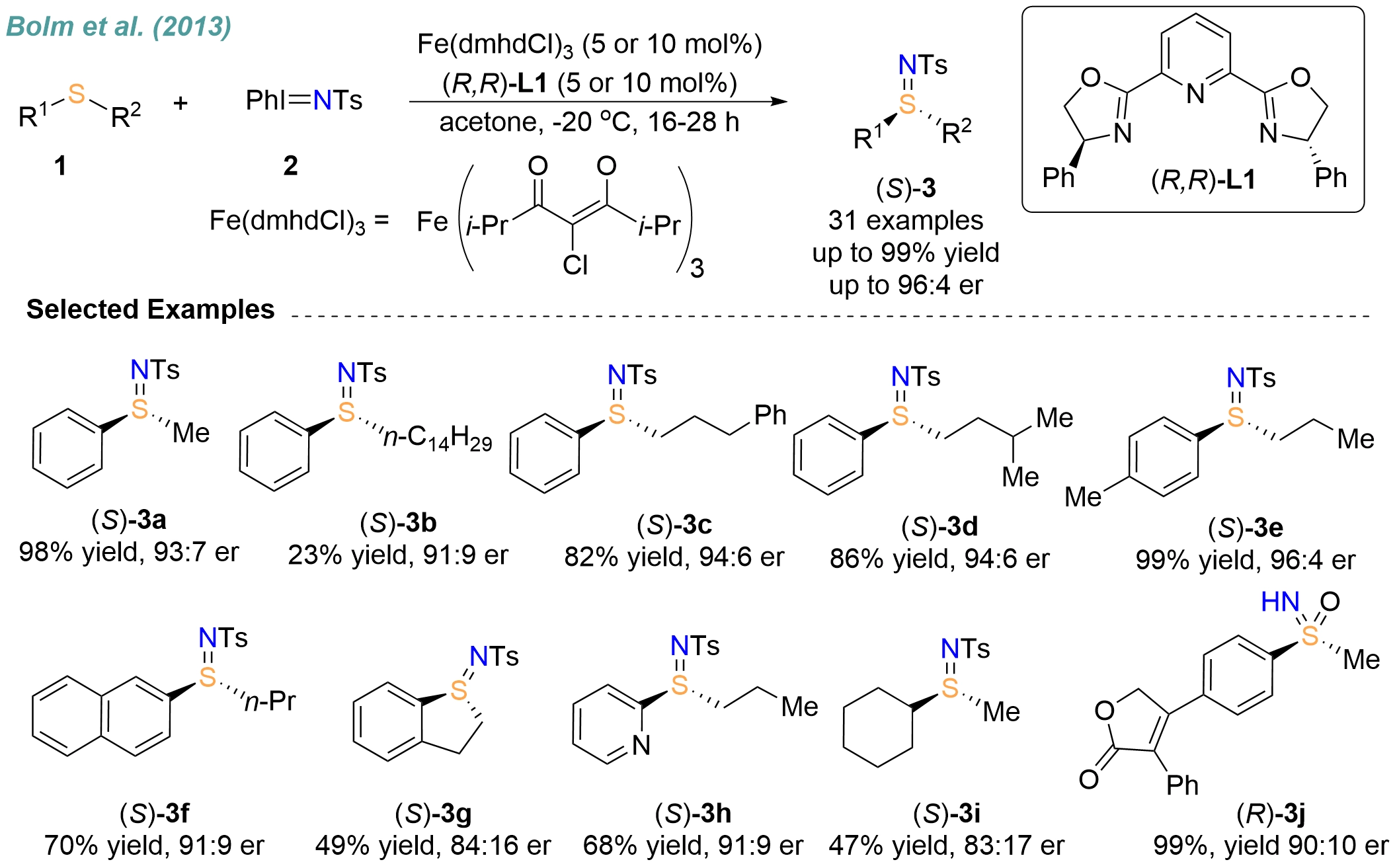
Scheme 1. Iron-catalyzed asymmetric imidation of sulfides via nitrene transfer.
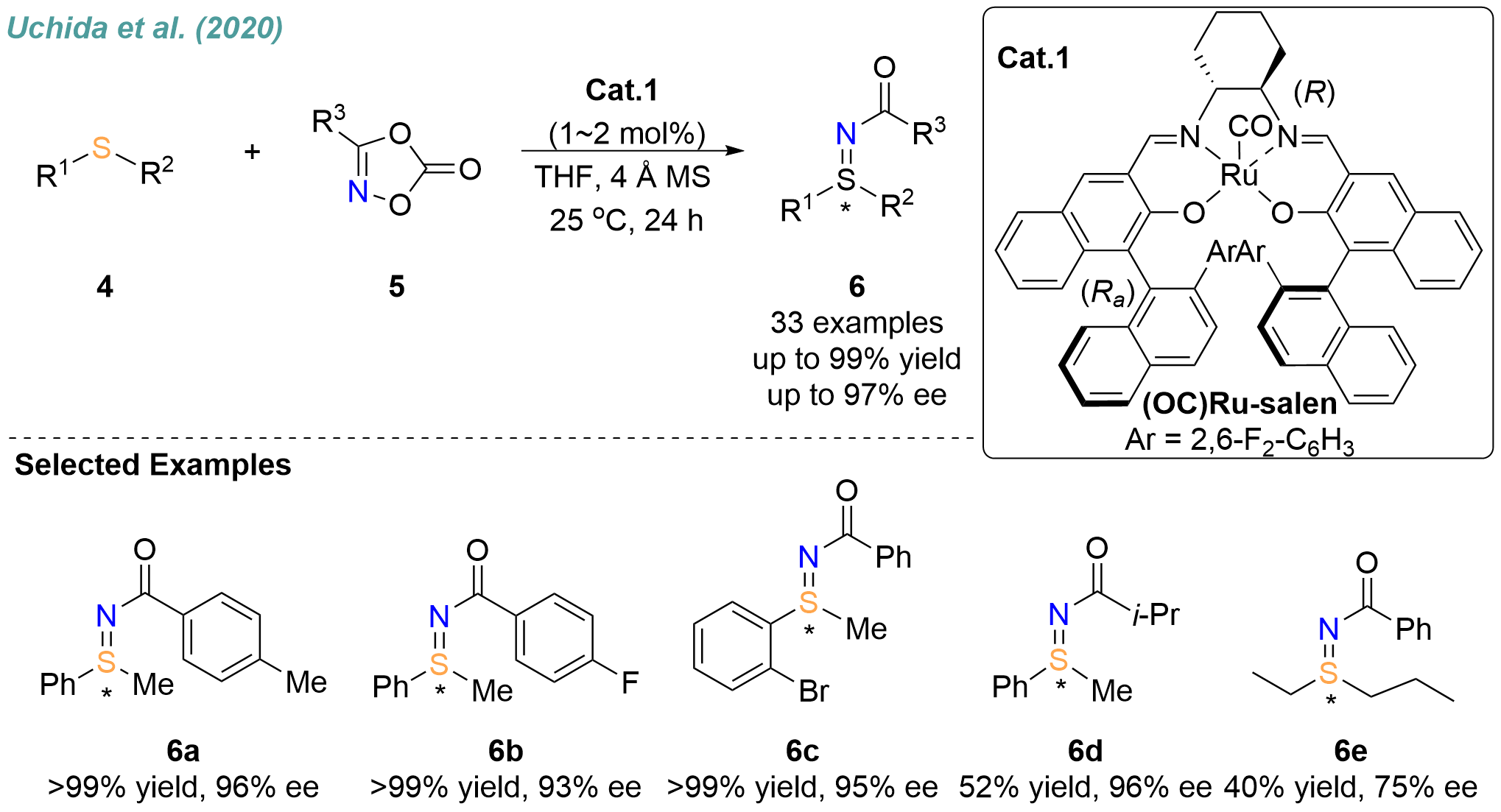
In 2020, Uchida and co-workers described a highly enantioselective N-acyl imidation of sulfides (4) catalyzed by a chiral (OC)ruthenium-salen complex (Cat.1), utilizing 3-substituted 1,4,2-dioxazol-5-ones (5) as efficient nitrene precursors[42]. This protocol proceeds via the generation of reactive N-acyl nitrenoids under mild conditions, which obviates the need for thermal or photochemical activation and effectively circumvents competitive Curtius rearrangements and nitrene dimerization to furnish a diverse array of N-acyl sulfimides (6) with excellent enantioselectivities (up to 97% ee). Furthermore, the synthetic utility of this methodology was supported by the stereospecific oxidation of the obtained sulfimides to the corresponding chiral sulfoximines with complete retention of configuration (Scheme 2).
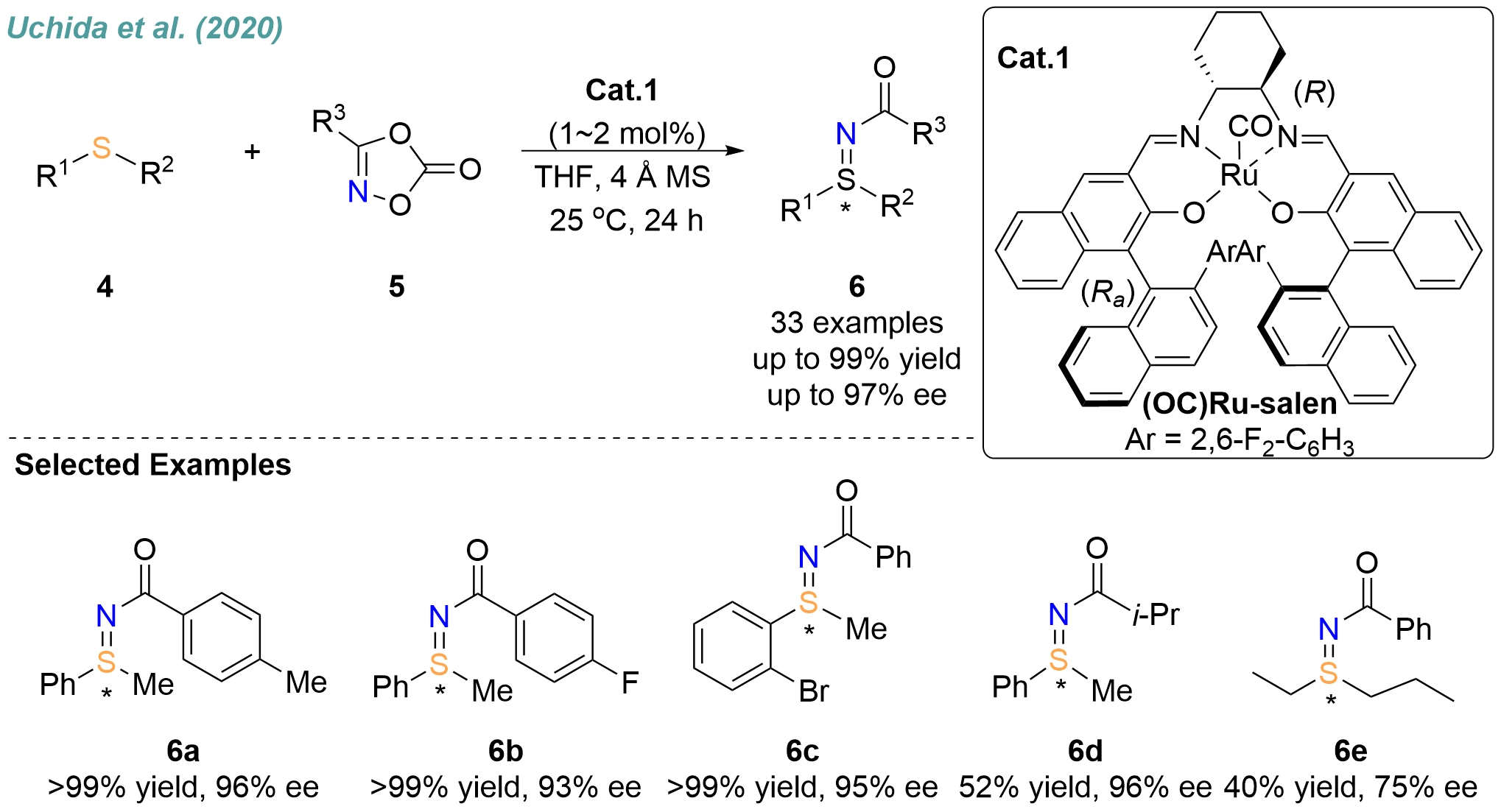
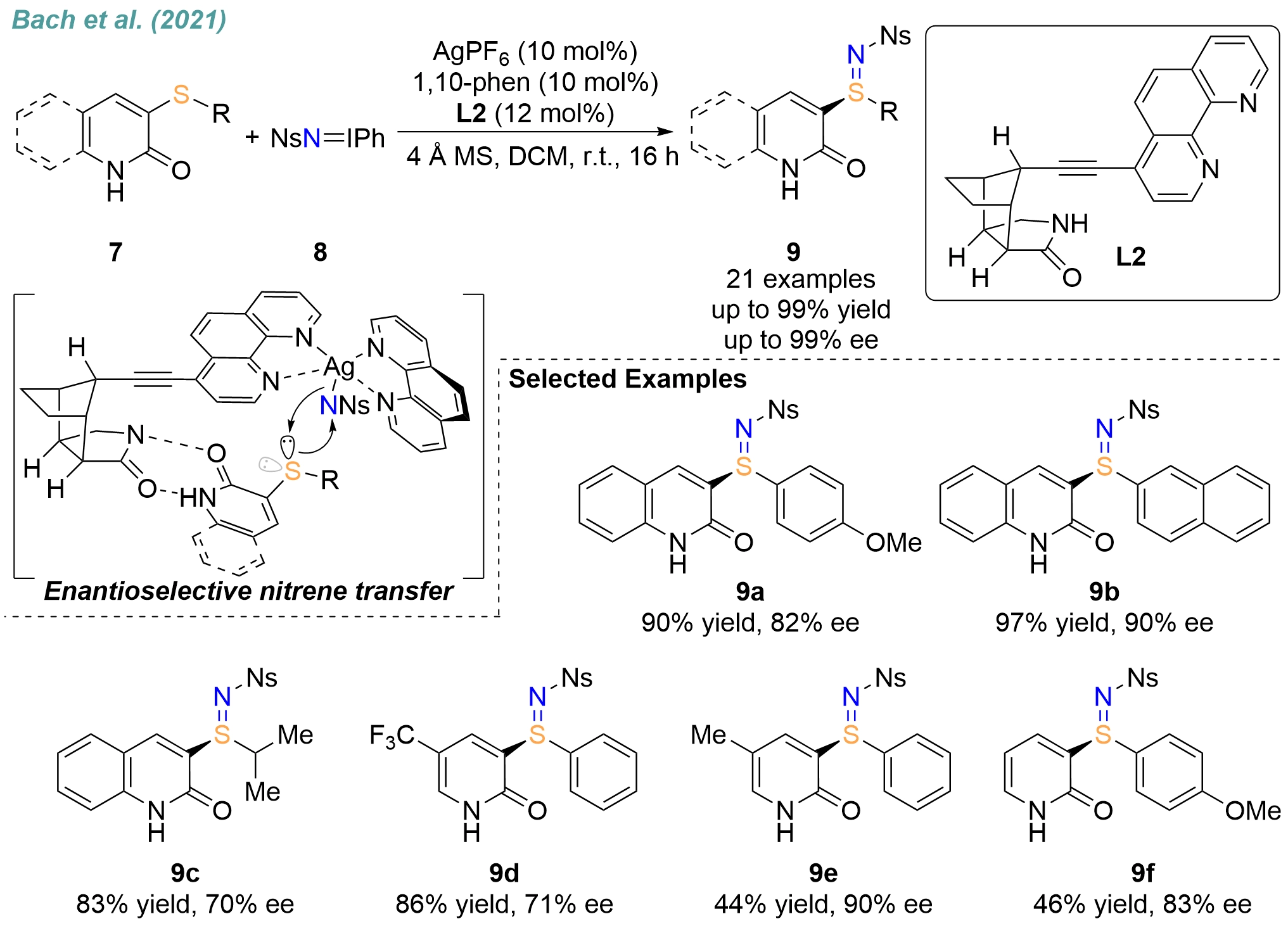
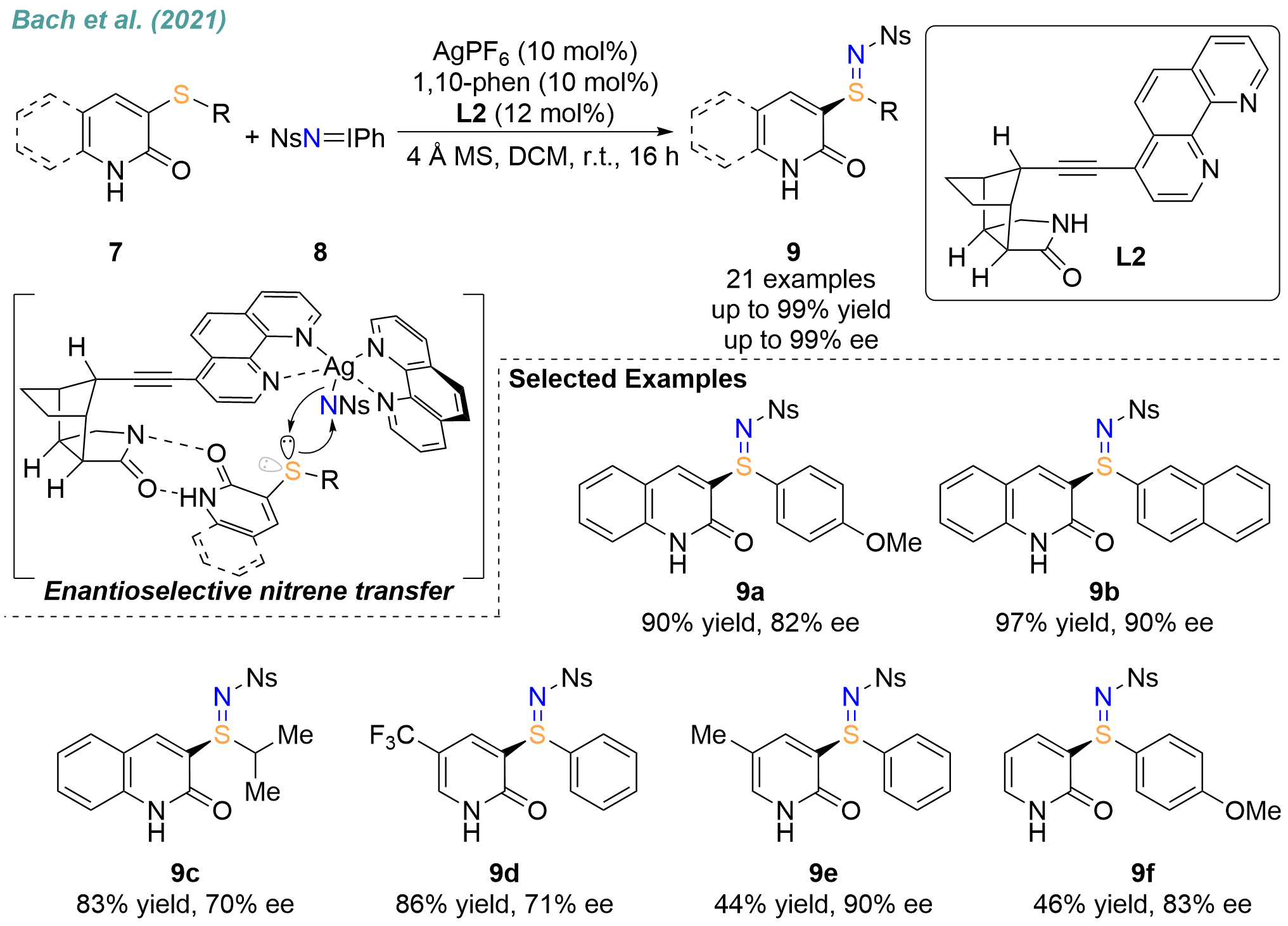
In 2021, Bach and co-workers reported an enantioselective silver-catalyzed sulfimidation of 3-thiosubstituted 2-quinolones and 2-pyridones (7), employing a silver-based catalytic system comprising AgPF6, a chiral phenanthroline ligand (L2) functionalized with hydrogen-bonding motifs, and PhI=NNs (8) as the nitrene precursor[43]. This protocol delivers high yields and excellent enantioselectivities, coupled with remarkable site-selectivity and broad applicability to diaryl sulfides irrespective of substituent steric differences, and has been successfully implemented for the kinetic resolution of chiral sulfoxides. Mechanistic investigations demonstrate that the reaction proceeds through a heteroleptic silver complex intermediate, wherein hydrogen-bond-mediated substrate pre-coordination dictates the regioselectivity of nitrene transfer, thereby enabling high enantiocontrol independent of steric differentiation at the sulfur center (Scheme 3).
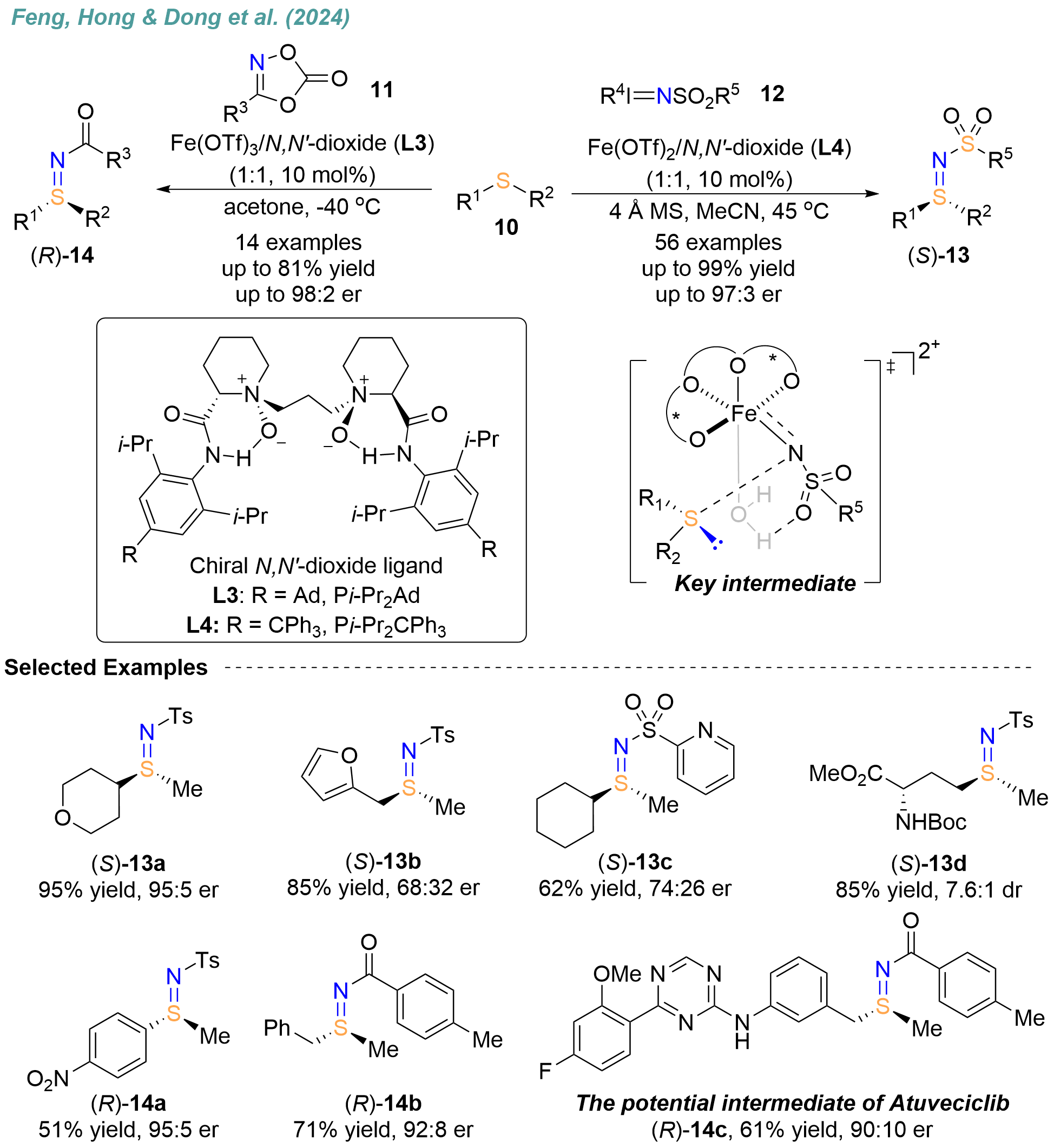
In 2024, Feng, Hong and Dong co-workers reported an iron-catalyzed enantioselective imidation of dialkyl and alkyl aryl sulfides (10), employing chiral N,N′-dioxide (L3 or L4)/iron complexes as the catalytic system and iminoiodinanes (11) or dioxazolones (12) as nitrene precursors[44]. This protocol affords a wide range of enantioenriched sulfimides with moderate-to-good yields and high enantioselectivities, while the use of dioxazolones as acylnitrene precursors in the presence of an iron(III)/N,N′-dioxide complex (L3) results in enantioselectivity-reversed products (14). Mechanistic interrogation, utilizing CSI-MS and density functional theory (DFT) calculations, implicates a water-coordinated high-spin iron nitrenoid as the active species, wherein stereoselectivity is governed by steric repulsion within the ligand’s chiral pocket (Scheme 4).
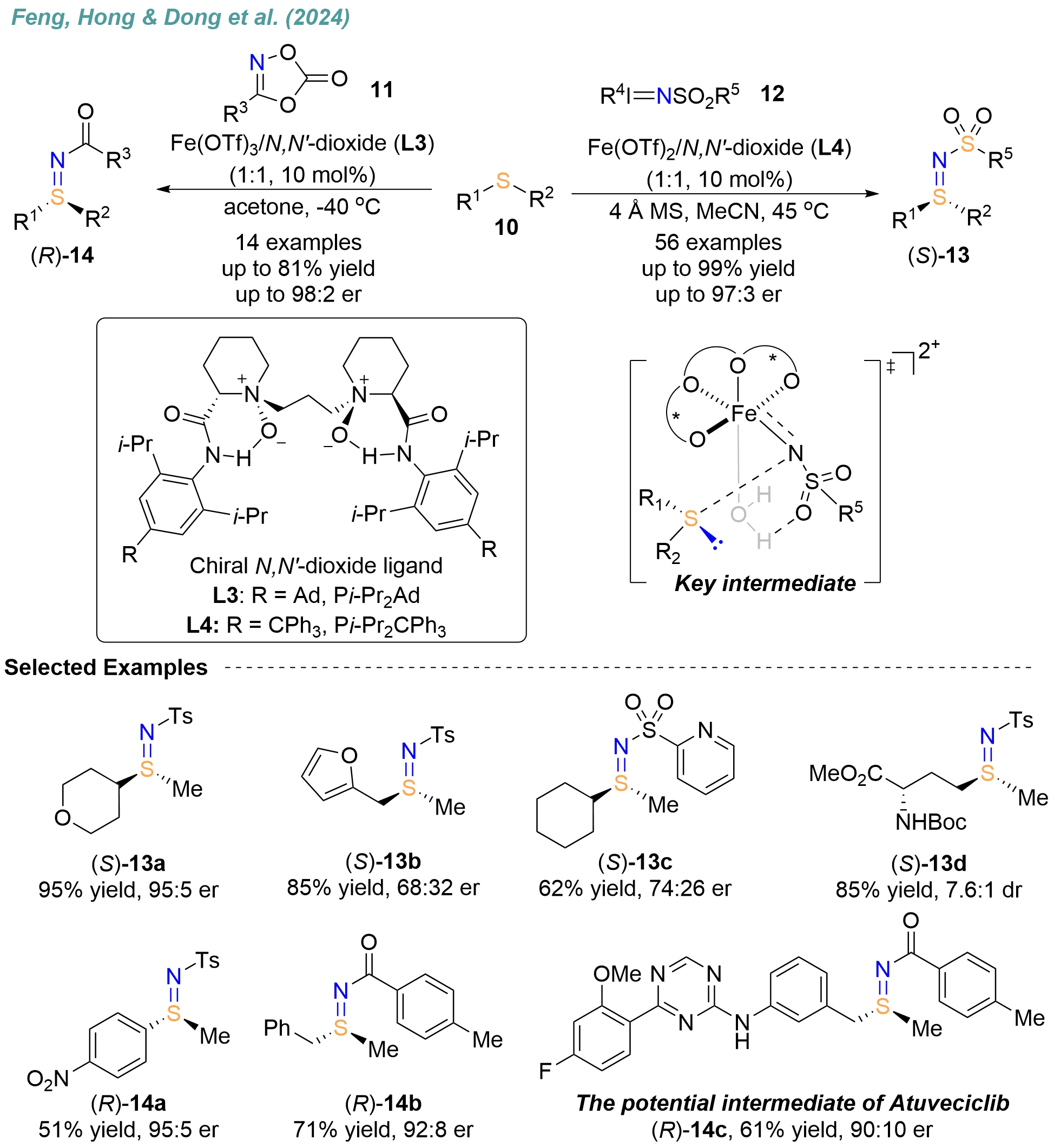
Scheme 4. Iron/N,N′-dioxide catalyzed enantioselective imidation with nitrene precursors.
2.2 Metal-catalyzed enantioselective S-arylation
Sulfilimines are typically prepared through catalytic sulfimidation of thioethers using nitrene transfer reagents. While this approach works well in many cases, it is limited by the narrow range of compatible substrates, partly because the oxidation conditions are strict. Also, getting good enantioselectivity depends heavily on how well the two substituents on sulfur can be told apart. Since 2024, the catalytic S-arylation of sulfenamides has emerged as a powerful alternative: by using these accessible starting materials, this strategy enables the modular synthesis of a broad range of sulfilimines and has consequently become a focal point of current research.
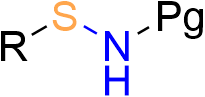
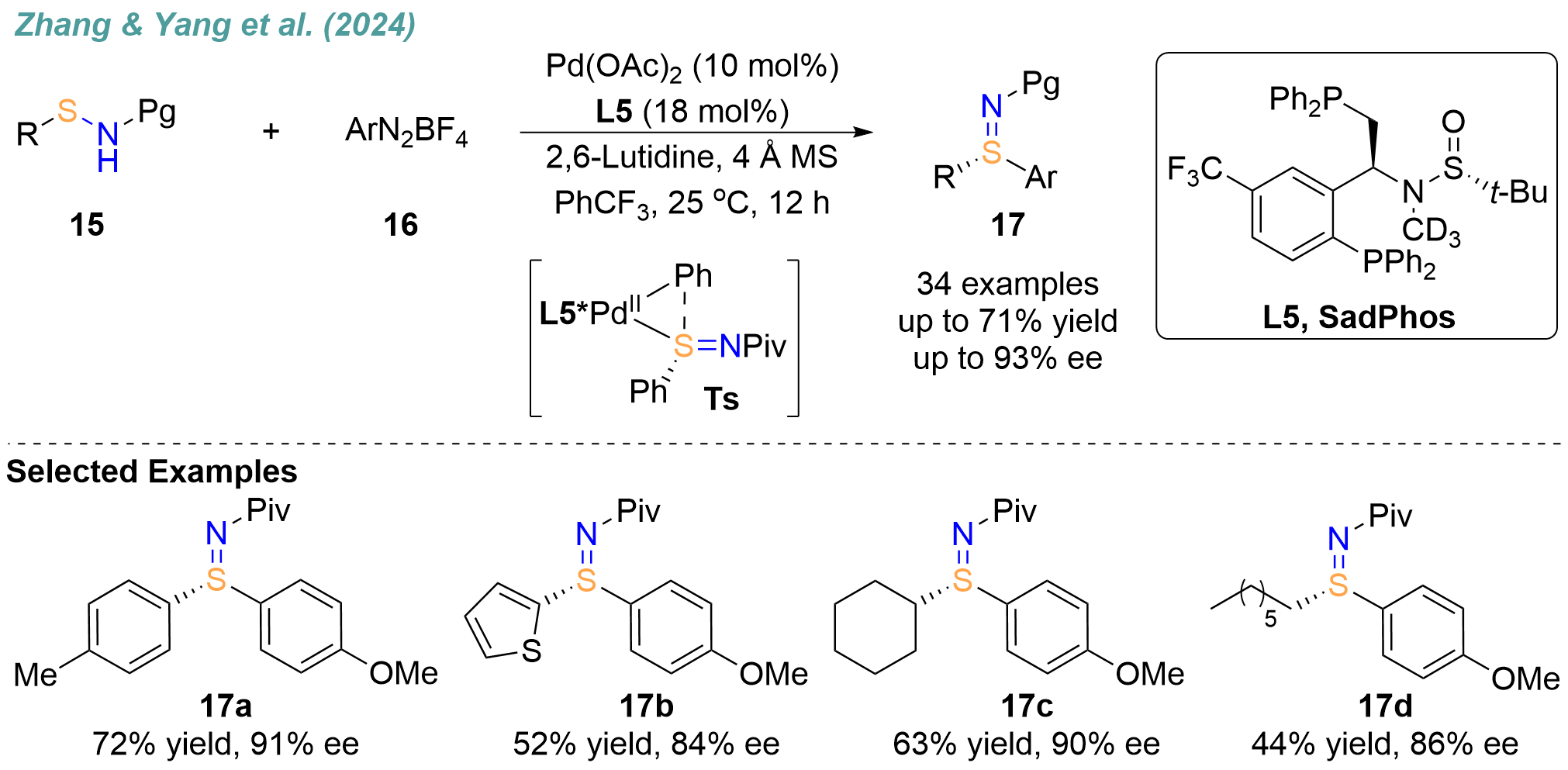
Zhang and Yang’s group reported a highly chemo- and enantioselective palladium-catalyzed S-arylation of sulfenamides (15) with aryl diazonium salts (16), enabling the modular synthesis of challenging chiral diaryl and aryl alkyl sulfilimines[45]. By employing a sterically hindered chiral sulfinamide-functionalized bisphosphine ligand (Sadphos, L5), this protocol effectively suppresses the competitive N-arylation pathway to deliver diverse S(IV)-stereocenter products (17) with excellent enantioselectivities (up to 93% ee), which can be further derivatized into various chiral S(VI) compounds with complete retention of stereochemical integrity. Furthermore, the DFT calculations revealed that the observed stereocontrol originates from weak non-covalent interactions between the ligand framework and the carbonyl group of the substrate (Scheme 5).
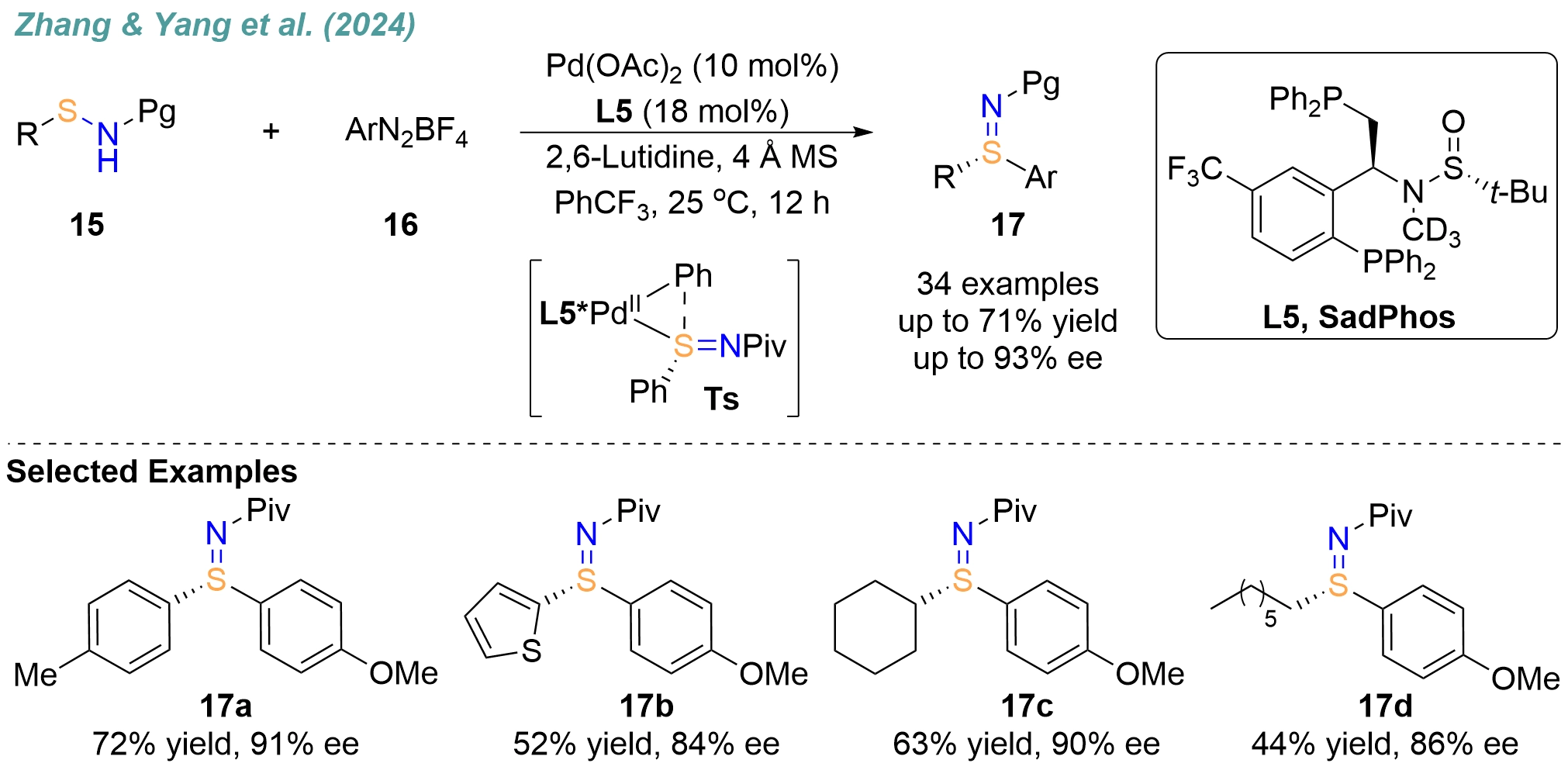
Scheme 5. Palladium-catalyzed enantioselective S-arylation of sulfenamides.
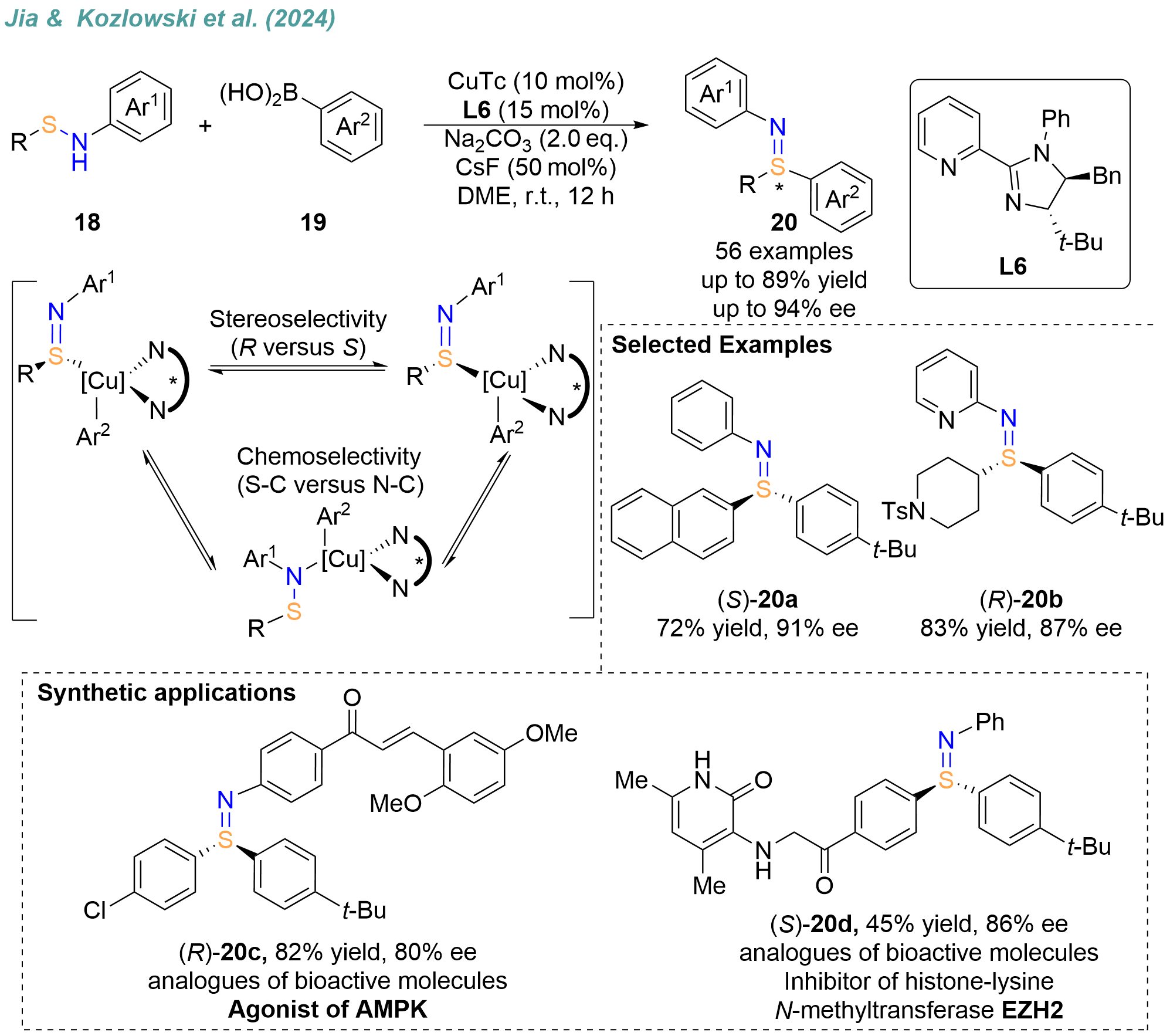
Jia, Kozlowski and co-workers disclosed a highly chemoselective and enantioselective copper-catalyzed Chan-Lam S-arylation of sulfenamides (18) with arylboronic acids (19), enabling access to thermodynamically disfavored chiral diaryl sulfilimines (20)[46]. By employing a specifically designed 2-pyridyl N-phenyl dihydroimidazole ligand (L6), this protocol effectively overrides the competitive N-arylation and background racemic pathways to construct diverse S(IV) stereocenters. Furthermore, combined experimental and DFT studies revealed that the unconventional chemoselectivity arises from kinetic control via a copper disproportionation mechanism, while the enantioselectivity is governed by entropic differences between the competing transition states (Scheme 6).
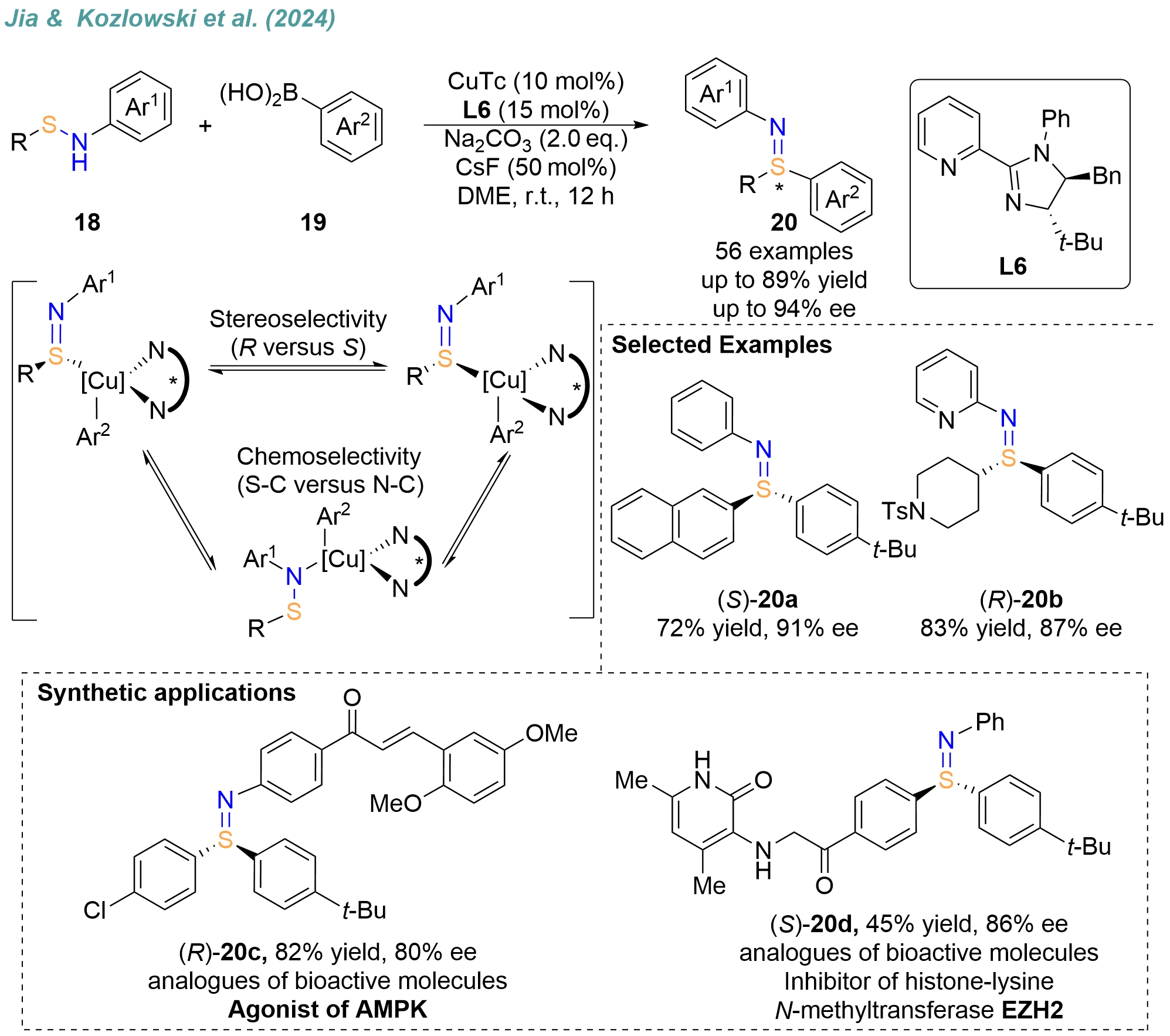
Scheme 6. Cu-catalyzed enantioselective Chan-Lam S-arylation with arylboronic acids.
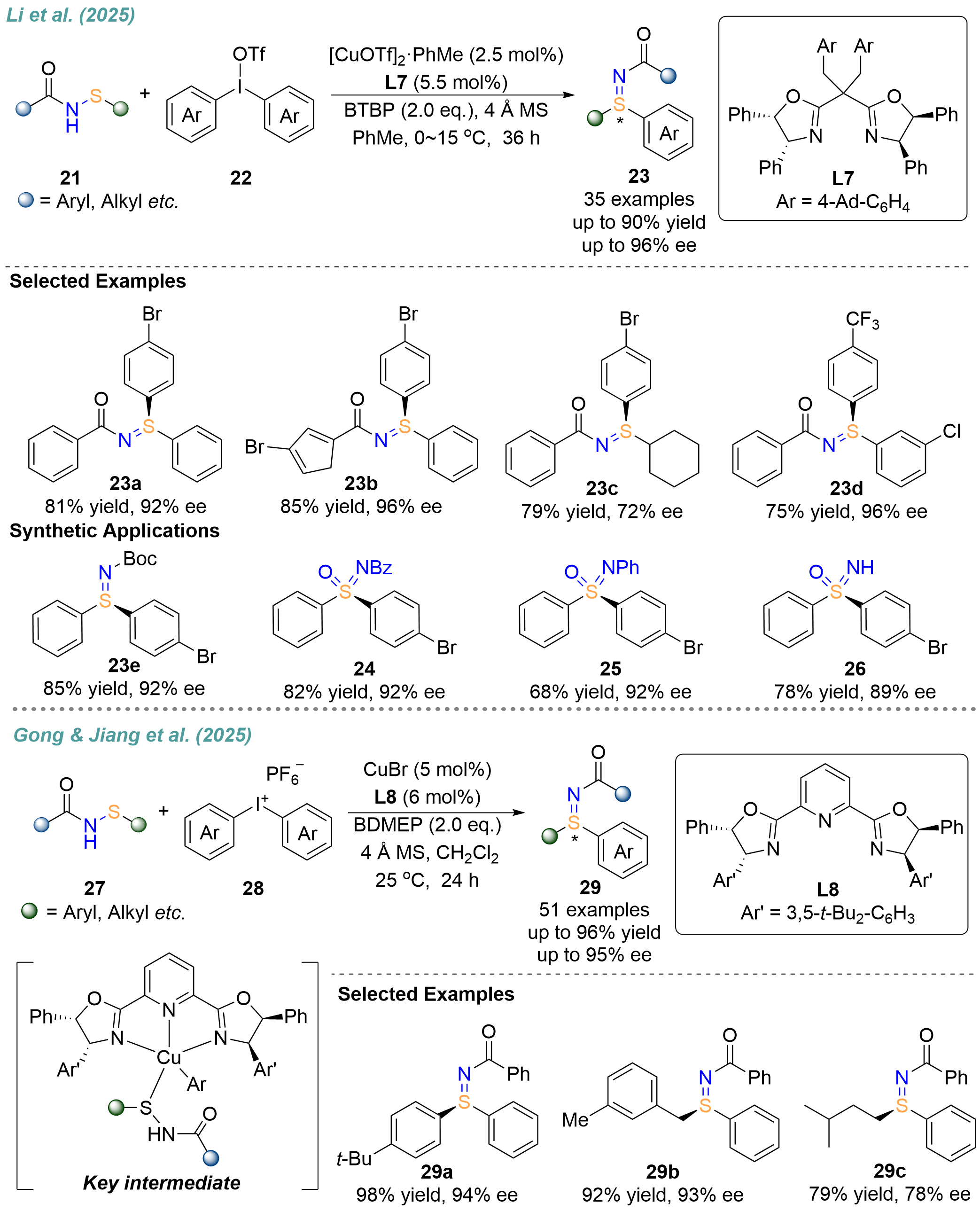
Independent investigations by the research groups of Li and Gong have concurrently advanced the field of sulfur stereochemistry by establishing robust paradigms for the copper-catalyzed enantiospecific S-arylation of sulfenamides (21, 27) using diaryliodonium salts (22, 28) as electrophiles. Li and co-workers utilized commercially available chiral bis-oxazoline ligands (L7) to facilitate this coupling reaction, achieving high enantioselectivities and demonstrating the method's utility through the stereospecific derivatization of the products into chiral sulfoximines and sulfondiimines[47]. Complementarily, addressing the specific mechanistic challenge of racemic background reactions induced by the strong coordination of N-acyl sulfenamides, Gong, Jiang, and co-workers employed a sterically confined bulky PyBox ligand (L8)[48]. This bespoke ligand design effectively suppressed the non-stereoselective pathway by preventing ligand displacement, thereby securing excellent stereocontrol across a broad substrate scope (Scheme 7).
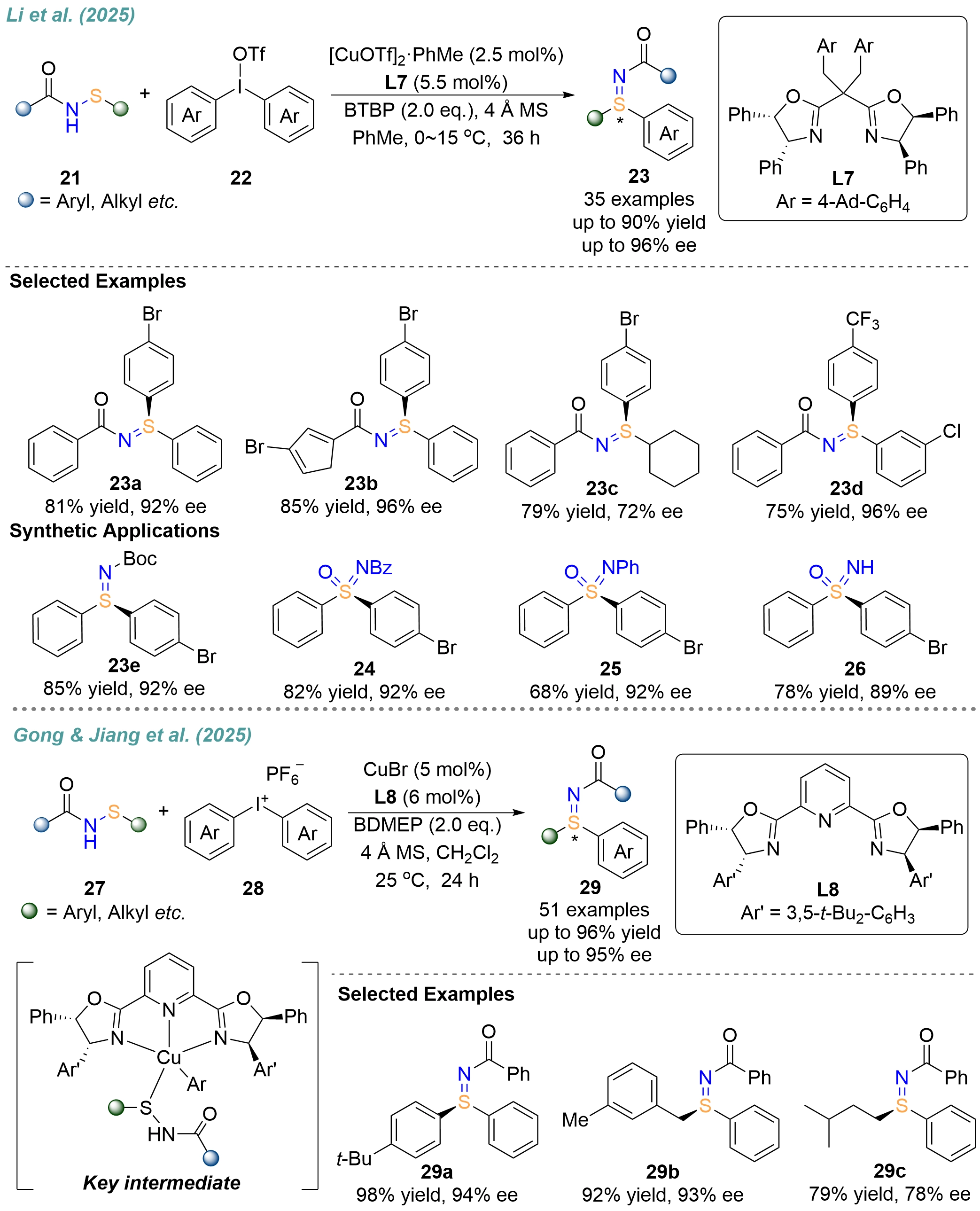
Scheme 7. Cu-catalyzed S-arylation: Enantioselective with bis-oxazoline ligands and with bulky PyBox ligands.
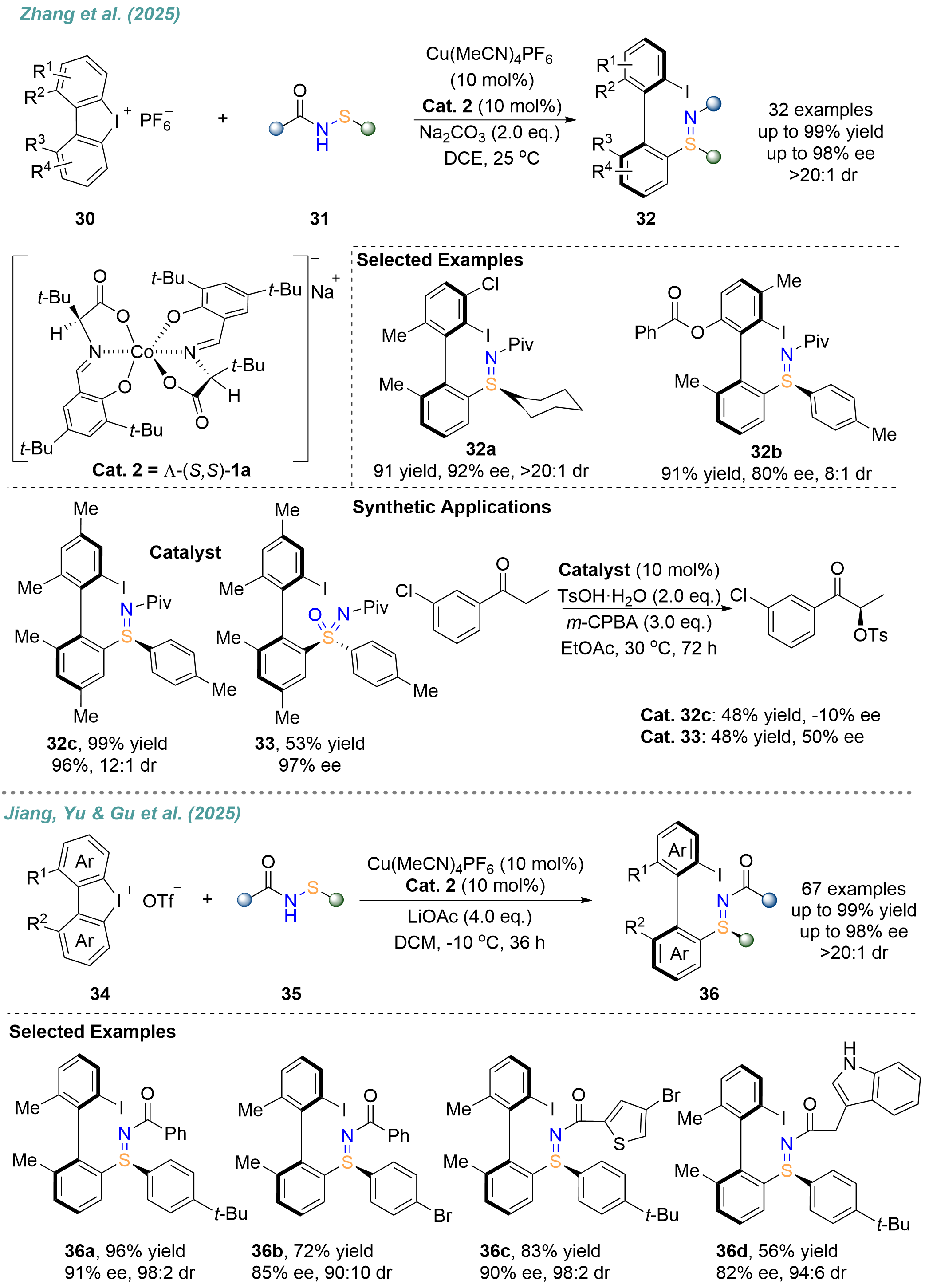
Jiang’s and Zhang’s groups have independently developed asymmetric S-arylation reactions of sulfenamides (31, 35) with cyclic diaryliodoniums (30, 34), enabled by copper/chiral cobalt anion complex catalysis, for the efficient synthesis of axially chiral sulfilimines (32, 36)[49,50]. Jiang’s team reported an adaptive catalytic system that affords 67 examples of axially chiral sulfilimines with exceptional enantioselectivities (up to 98% ee), along with excellent chemo-, regio-, and diastereoselectivities; notably, thermodynamically controlled pyramidal inversion of the products enables stereodivergent access to all four stereoisomers. Mechanistic studies reveal that the anionic stereogenic-at-cobalt(III) complexes play dual roles as both counteranions for diaryliodoniums and anionic ligands for Cu(I) catalysts, ensuring superior stereocontrol. In parallel, Zhang’s group achieved one-pot construction of biaryl sulfilimines bearing both axial and sulfur central chiralities, delivering products in high yields (up to 99%) and enantioselectivities (up to 98% ee) with broad substrate compatibility, including aryl, heteroaromatic, and alkyl-substituted sulfenamides as well as symmetric and asymmetric cyclic diaryliodoniums. Both protocols support gram-scale synthesis, and the resulting chiral sulfilimines can be readily derivatized into valuable sulfur-containing compounds such as sulfoximines, with Jiang’s products further applicable in Pd-catalyzed cross-couplings and Zhang’s serving as chiral catalysts for asymmetric transformations, underscoring their significant utility in asymmetric synthesis and medicinal chemistry (Scheme 8).
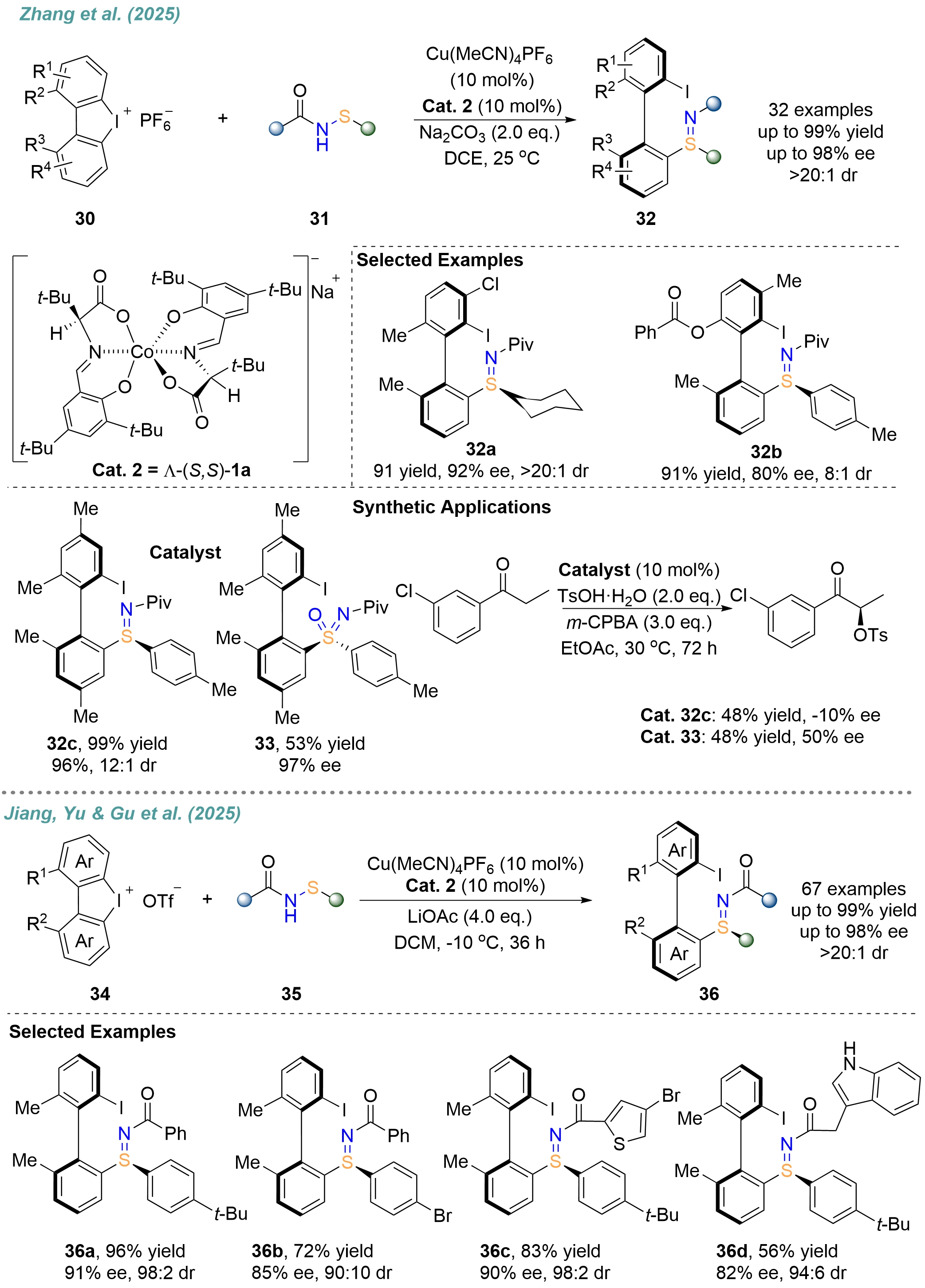
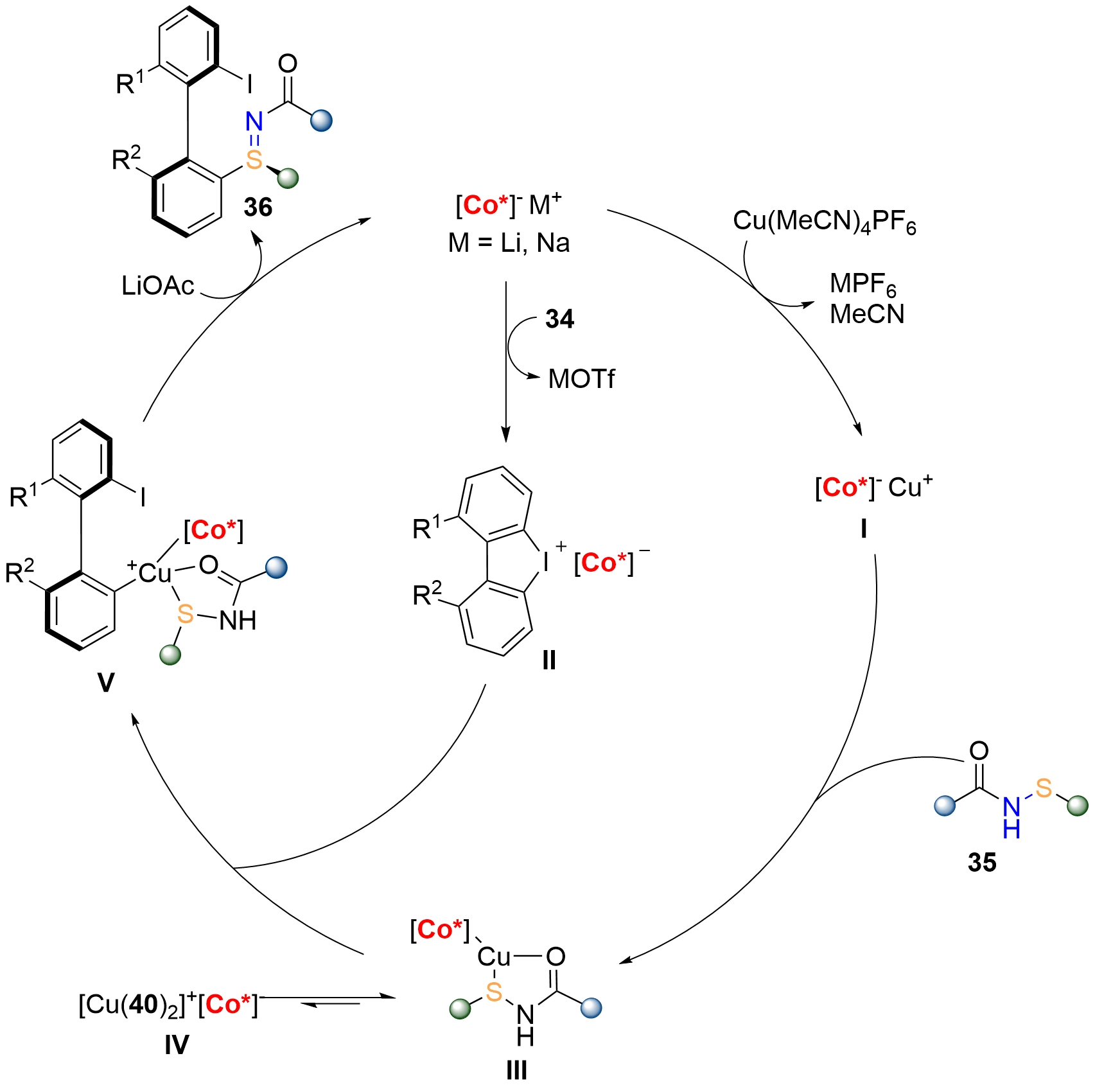
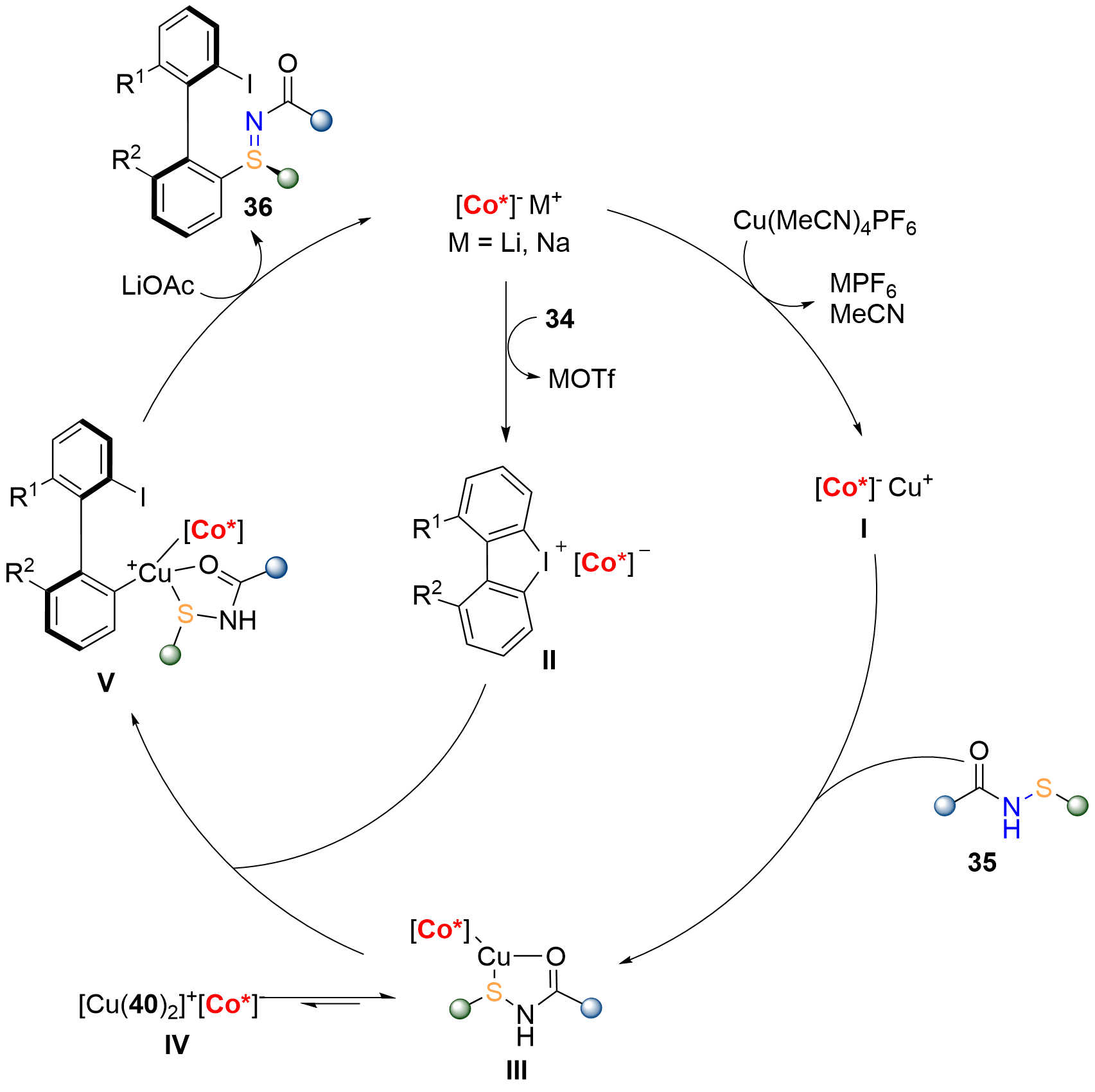
Based on extensive mechanistic investigations, the authors propose a cooperative catalytic cycle (Figure 3) that reveals the origin of the observed stereocontrol. The catalytic sequence commences with an anion metathesis between the copper(I) precursor and the anionic cobalt complex (Cat.2), generating the catalytically active, ion-paired Cu(I) species (I). In parallel, the cyclic diaryliodonium salt (34) undergoes ion exchange to form a chiral ion-pairing intermediate (II). Following the coordination of the sulfenamide substrate (35) to the copper center intermediate (III), the system proceeds through a stereodetermining oxidative addition step to access a high-valent axially chiral copper(III) intermediate (V). Lastly, deprotonation followed by reductive elimination affords axially chiral sulfilimine (36). A key insight from this study is the postulated dual role of the anionic cobalt(III) complex within this sterically congested transition state: it functions simultaneously as a counteranion for the electrophilic iodonium moiety and as an anionic ligand for the copper catalyst. This unique supramolecular assembly establishes a rigid and highly defined chiral environment, which is essential for the high selectivity. The cycle concludes with base-assisted deprotonation and reductive elimination, delivering the axially chiral sulfilimine product (36) and regenerating the active catalyst.
2.3 Copper-catalyzed asymmetric radical sulfimidation
Radical approaches complement ionic nitrene transfer, but the high reactivity and configurational instability of sulfur-centered radicals make enantiocontrol particularly demanding; the copper-catalyzed radical manifolds below address this by pre-establishing a configurationally stable copper–sulfur stereocenter prior to radical capture.
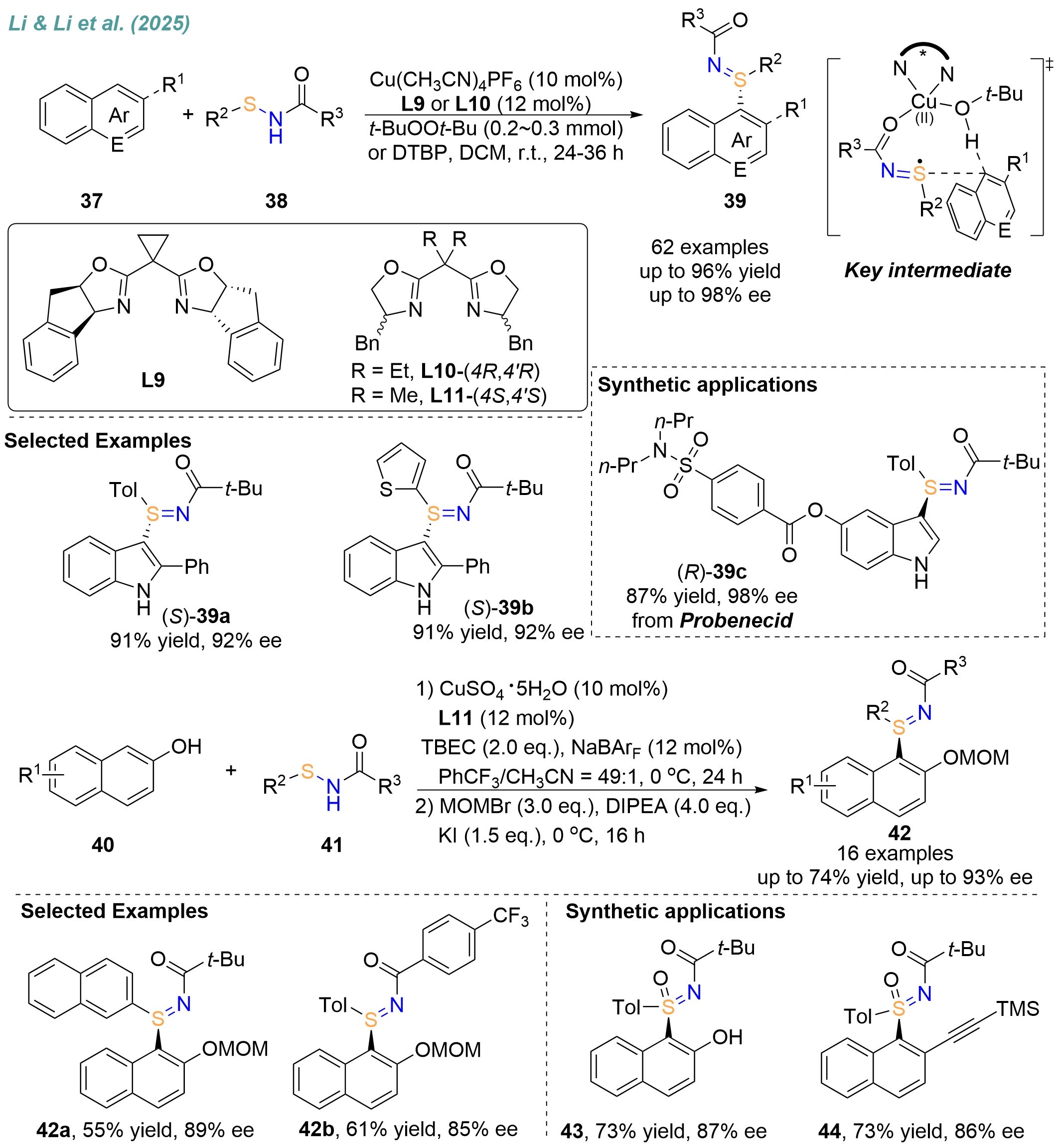
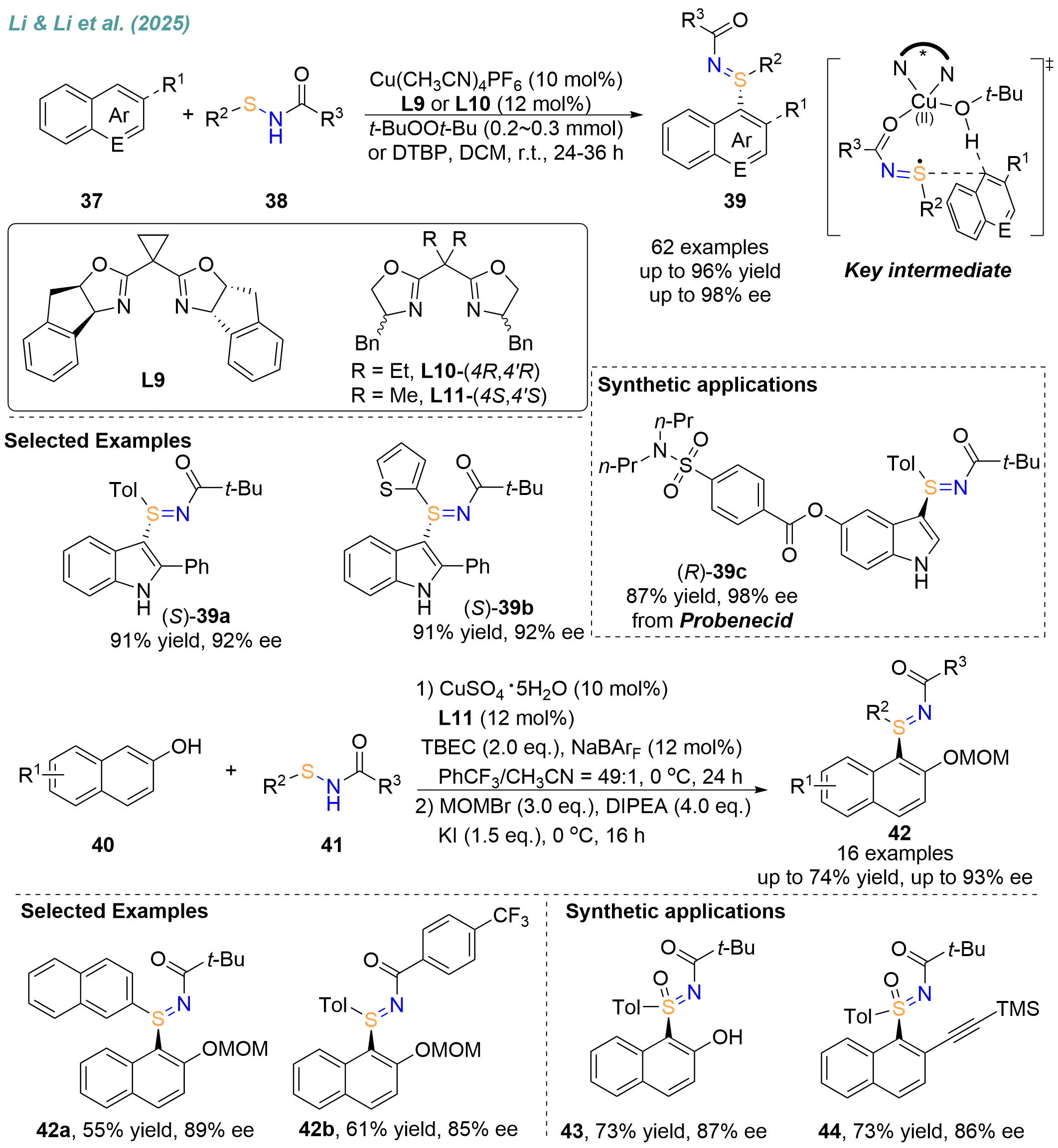
Li and co-workers disclosed an efficient copper-catalyzed asymmetric oxidative C-H sulfilimination of electron-rich (hetero)arenes (37), specifically indoles and naphthols, utilizing sulfenamides (38) as radical precursors under mild conditions[51]. For indole substrates, the reaction affords sulfilimine products (39) with high regio- and enantioselectivity, addressing the low configurational stability of such products. For 2-naphthol substrates (40), a low-temperature copper catalytic system was established. With sulfenamides (41) as coupling partners, the C-H sulfilimination is followed by one-pot MOM protection of the hydroxyl group, delivering chiral sulfilimines (42) in 16 examples with up to 74% yield and 93% ee. The products can be further diversified via deprotection and cross-coupling transformations. Mechanistically, combined experimental and computational studies reveal a distinctive dual hydrogen atom transfer (HAT) mechanism. The stereodetermining C-S bond formation proceeds through an unusual outer-sphere HAT-primed radical-radical coupling via a concerted eight-membered ring transition state, which differs from traditional electrophilic substitution pathways (Scheme 9).
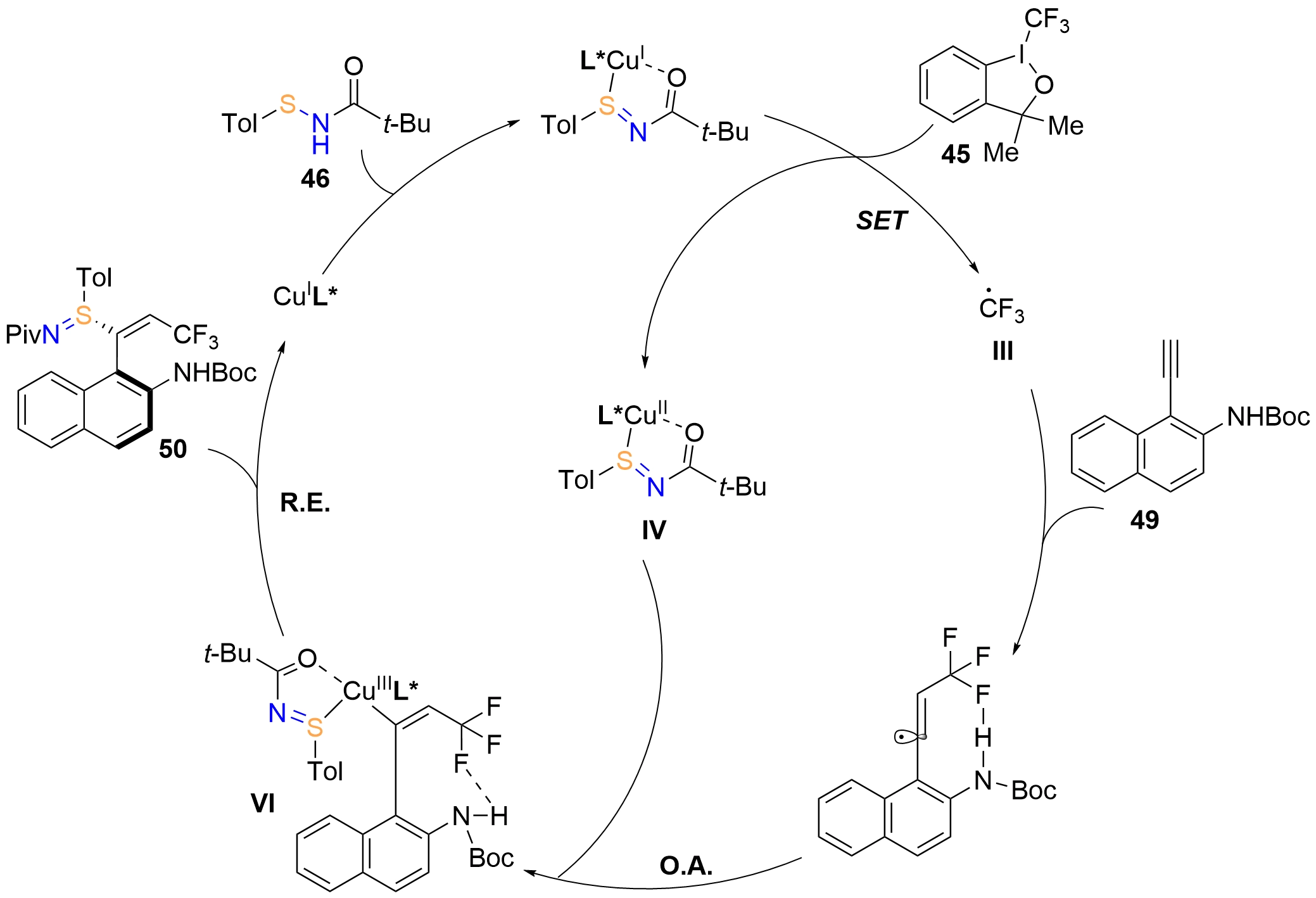
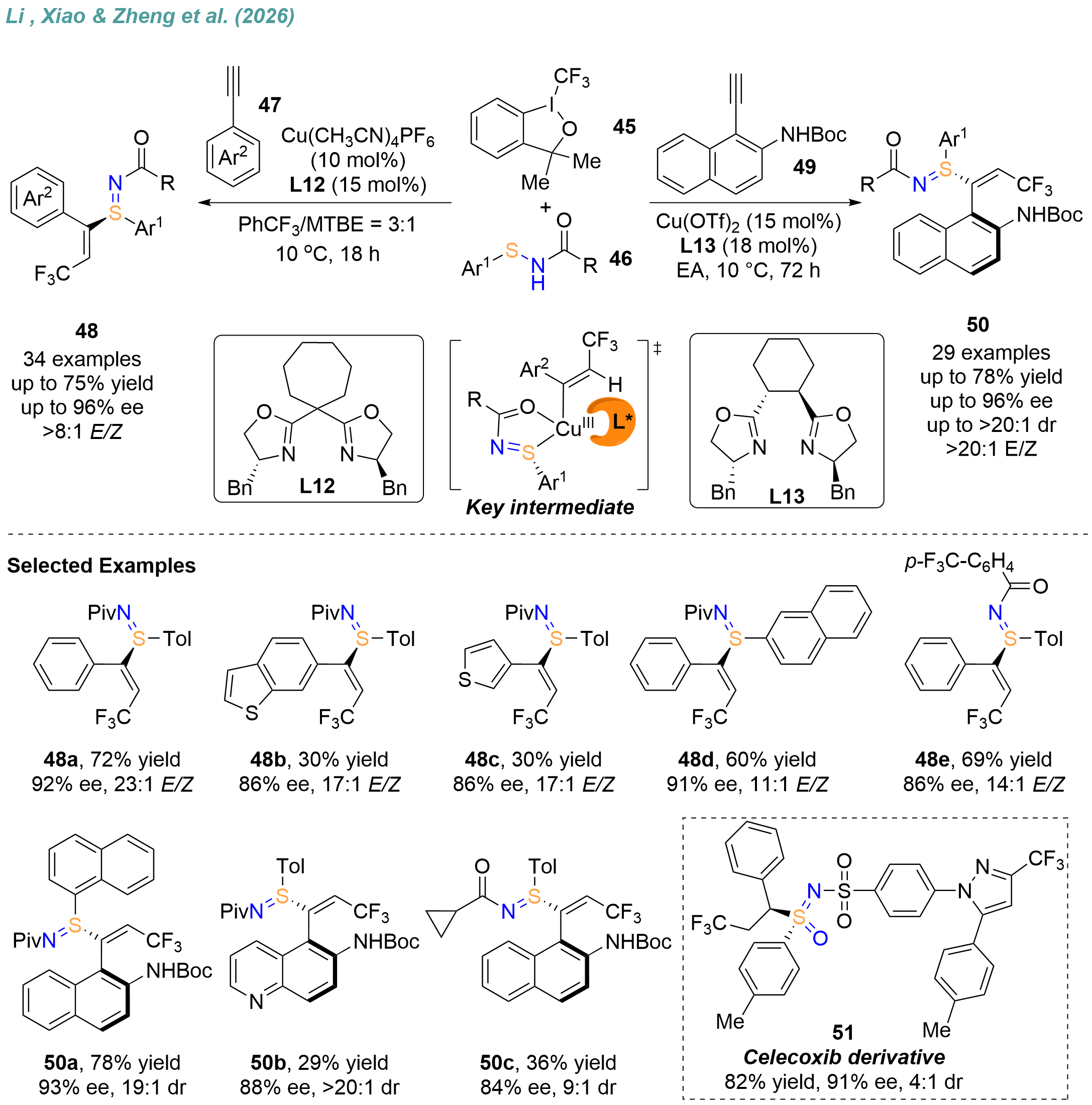
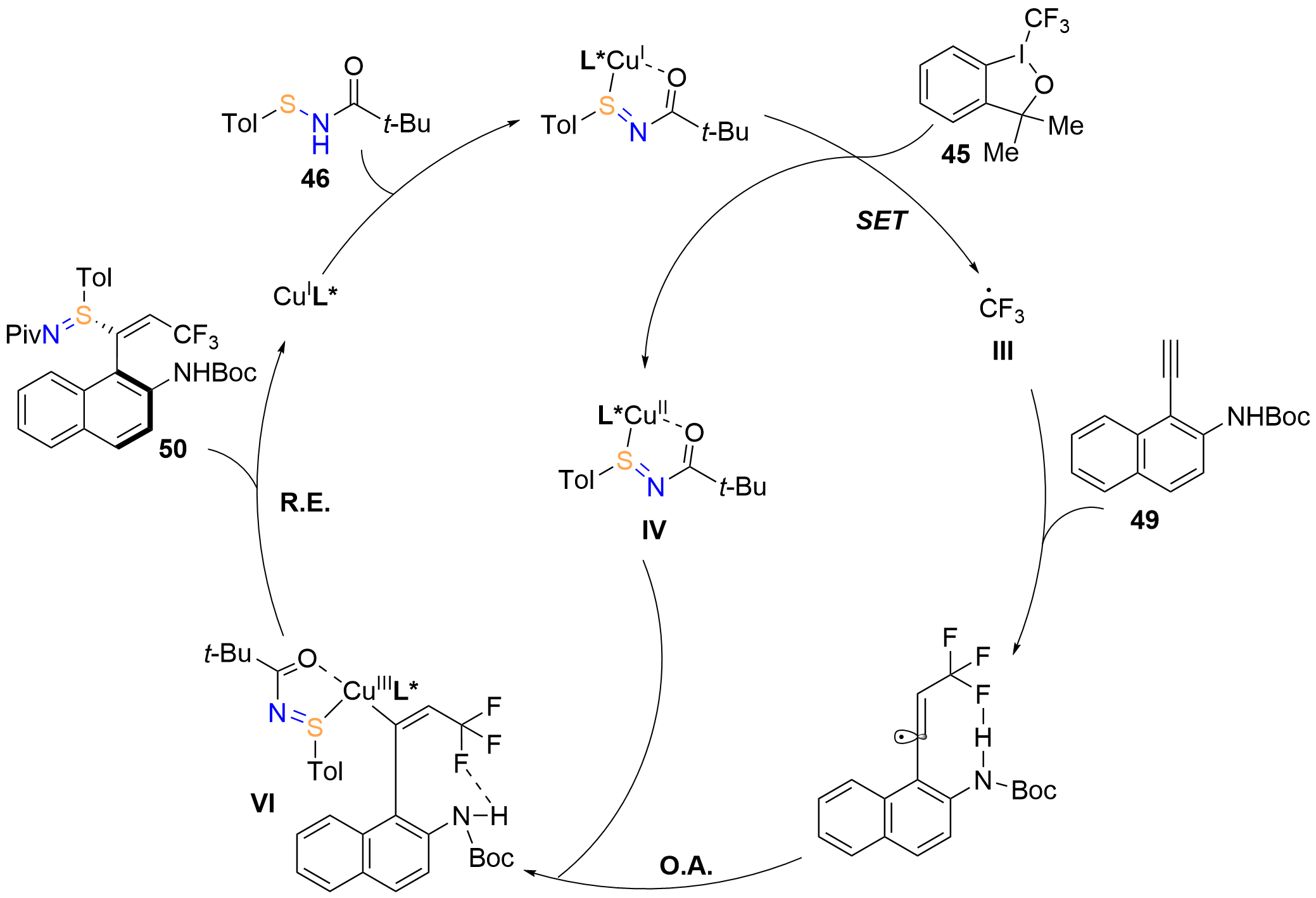
Li and co-workers disclosed a copper-catalyzed enantioselective radical relay trifluoromethyl-sulfilimination of terminal alkynes utilizing sulfenamides (46) and the Togni reagent (45)[52]. This three-component protocol enables the efficient assembly of sterically congested axially chiral vinyl sulfilimines (50) with excellent chemo-, regio-, and stereocontrol by overcoming the challenges associated with the configurational instability of transient vinyl radicals (Scheme 10). Mechanistic and computational studies highlight that the transformation establishes a novel pathway distinct from previously reported outer-sphere HAT or SH2 mechanisms. To explain the specific nature of this unique reactivity, the authors proposed a catalytic cycle operating through a Cu(I)/Cu(II)/Cu(III) redox manifold. The reaction initiates with the coordination of a sulfenamide substrate to Cu(I) (I), followed by a single-electron transfer (SET) with the Togni reagent. This step generates a chiral Cu(II)-sulfinimidoyl intermediate (II) while releasing an electrophilic trifluoromethyl radical (CF3·)(III). Subsequently, the generated CF3 radical adds regioselectively to the alkyne to produce a transient vinyl radical (V). A pivotal feature of this pathway is the rapid capture of this vinyl radical by the chiral Cu(II) species (IV) to access a high-valent axially chiral Cu(III) complex (VI). Finally, the catalytic cycle concludes with an enantiodetermining reductive elimination to deliver the vinyl sulfilimine product (50) (Figure 4).
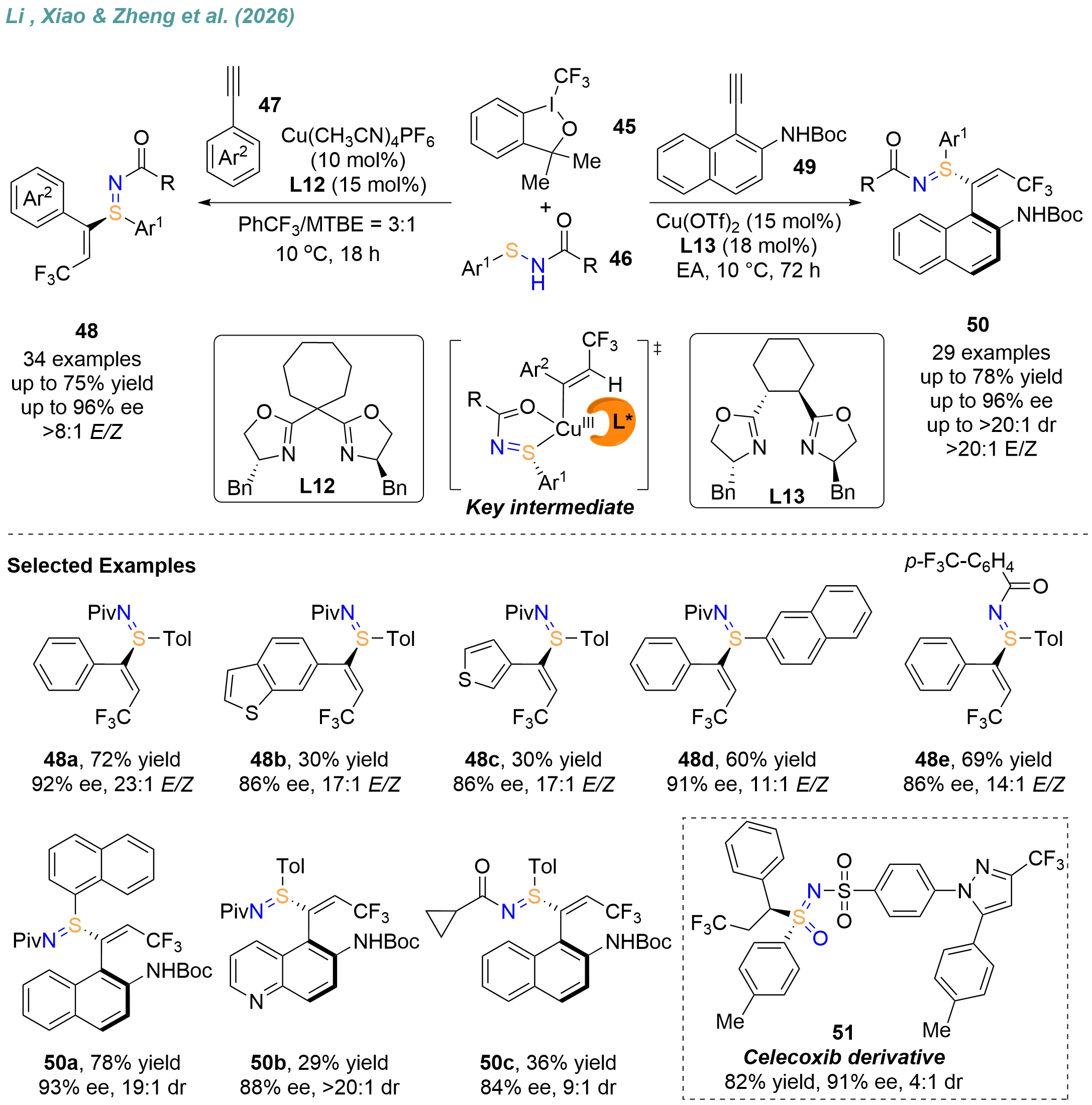
Scheme 10. Cu-catalyzed radical relay trifluoromethyl-sulfilimination of alkynes.
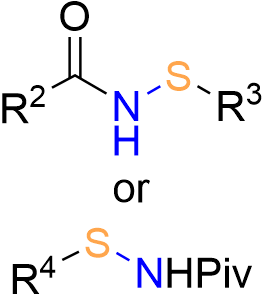
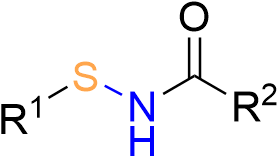
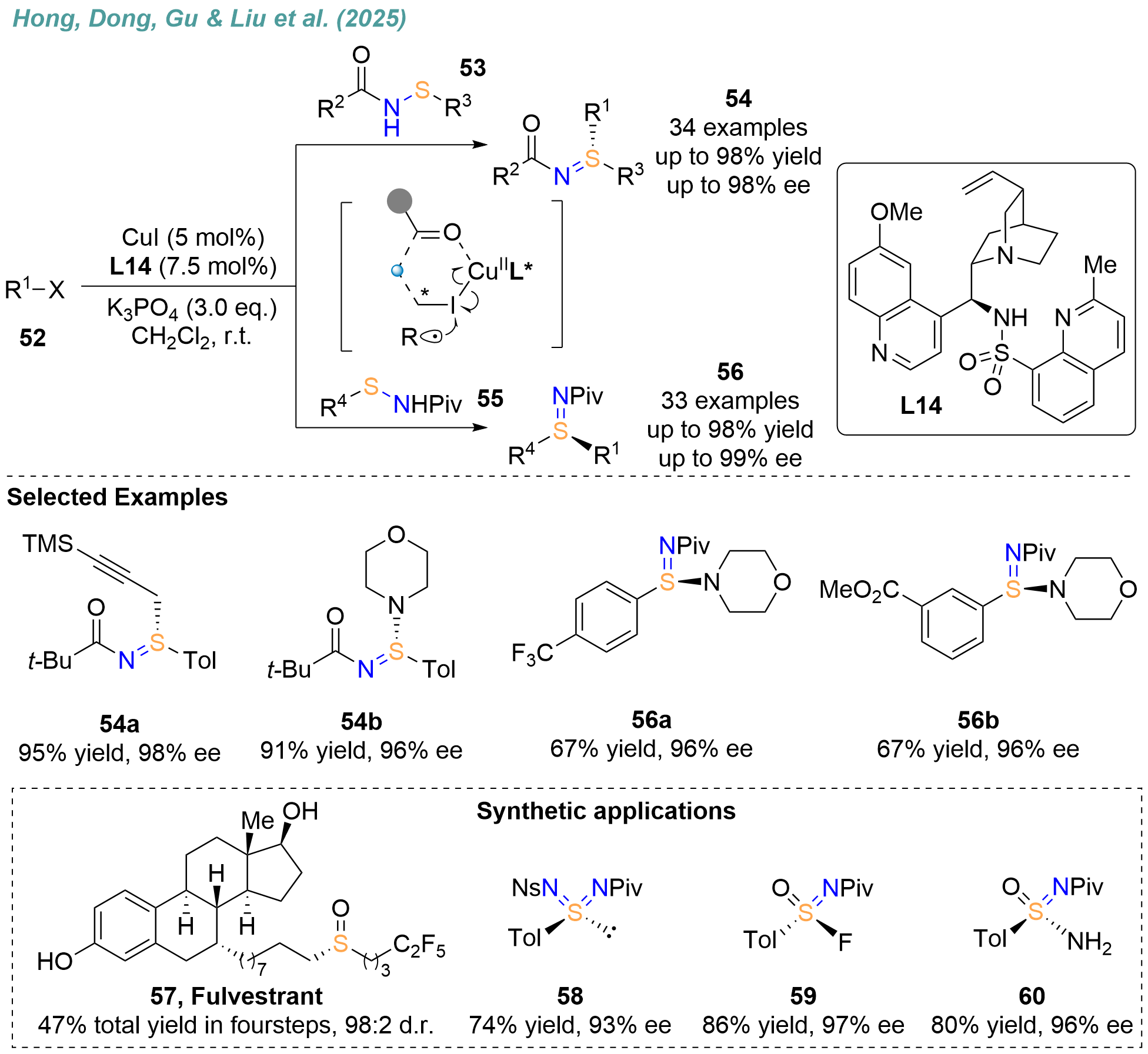
Transitioning from classical ionic S-alkylation to radical pathways, Liu and co-workers recently developed a copper-catalyzed asymmetric radical cross-coupling reaction for the construction of S(IV) stereocenters[53]. To overcome the poor enantiocontrol typically associated with highly reactive species, the authors utilized a sequential stereodiscrimination and chirality transfer strategy. Mechanistically, coordination of a deprotonated N-acylsulfenamide to a chiral copper(I)/anionic multidentate ligand (L14) complex generates a configurationally stable Cu(II)-sulfinimidoyl intermediate, establishing the sulfur stereocenter prior to radical trapping. An incoming radical then reacts with this chiral intermediate via a stereospecific, invertive bimolecular homolytic substitution (SH2). This method features a broad radical scope, tolerating over 50 carbon-, nitrogen-, oxygen-, sulfur-, and phosphorus-centered radicals, yielding various highly enantioenriched N-acylsulfilimines, sulfinamidines, and sulfinimidate esters (54, 56) with up to 99% ee (Scheme 11). The resulting S(IV) products can serve as versatile precursors for the stereospecific construction of selected chiral aza-sulfur compounds (58-60). The practical value of this method was further highlighted by the asymmetric synthesis of the anticancer drug fulvestrant (57).
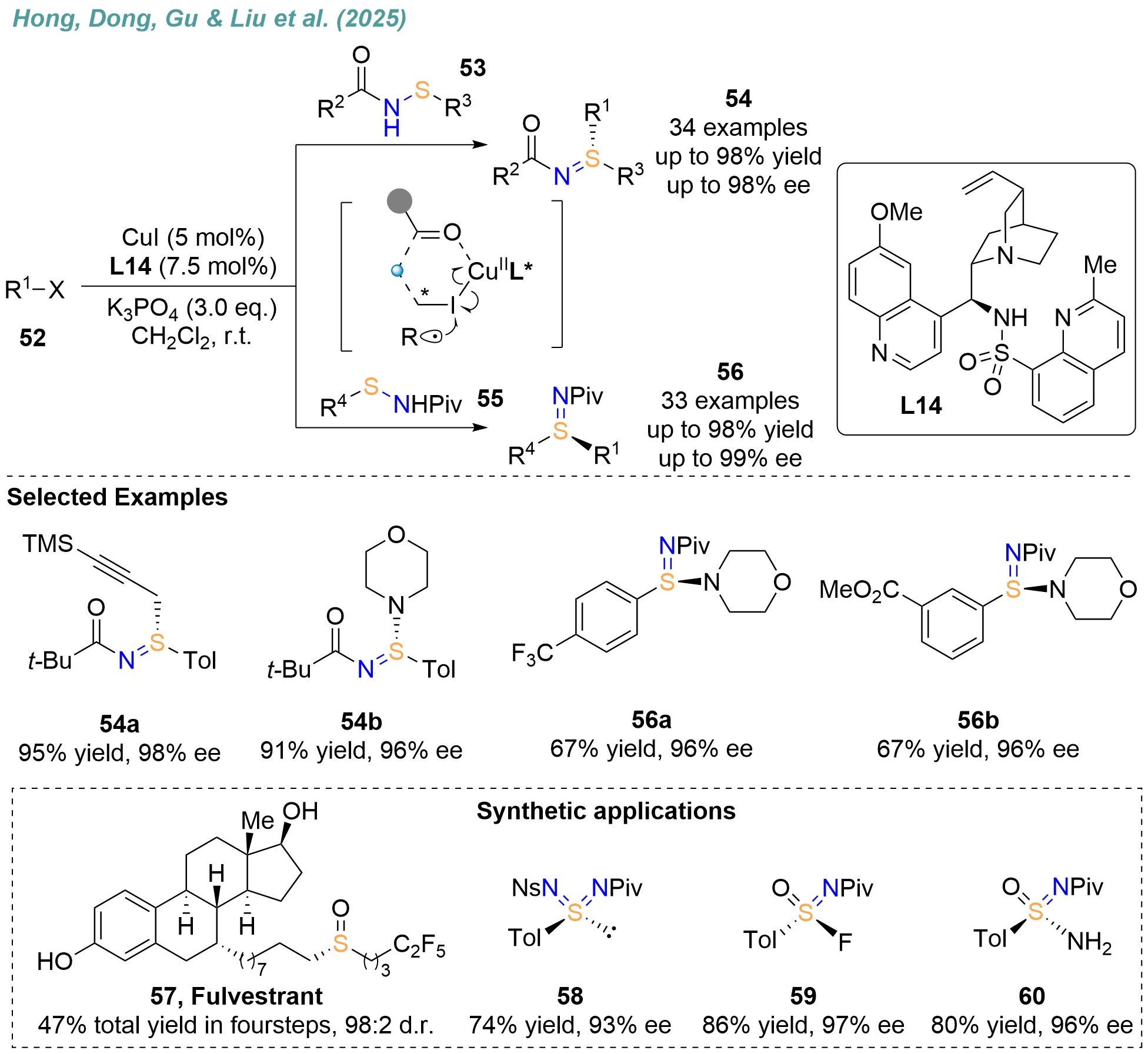
Scheme 11. Copper-catalyzed asymmetric radical cross-coupling for S-chiral sulfilimines.
2.4 Catalyzed enantioselective S-alkylation
S-alkylation represents a fundamental C-S bond-forming strategy for constructing stereogenic sulfur centers; the core synthetic challenge lies in achieving precise control over both chemoselectivity (sulfur vs. nitrogen reactivity) and enantioselectivity, particularly for substrates with sterically similar substituents.
As a cornerstone reaction in organosulfur chemistry, S-alkylation enables the direct construction of C-S bonds and has emerged as the most powerful and modular strategy for the assembly of stereogenic sulfur centers. Over the past few years, transformative advances in this area have overcome the historic bottlenecks in the precise control of chemoselectivity and stereoselectivity for this transformation, leading to the development of two well-established, highly efficient catalytic manifolds: transition metal catalysis and organocatalysis. These seminal developments have profoundly propelled the broad application of chiral sulfur chemistry in modern pharmaceutical discovery, as well as in the frontier of asymmetric synthetic organic chemistry.
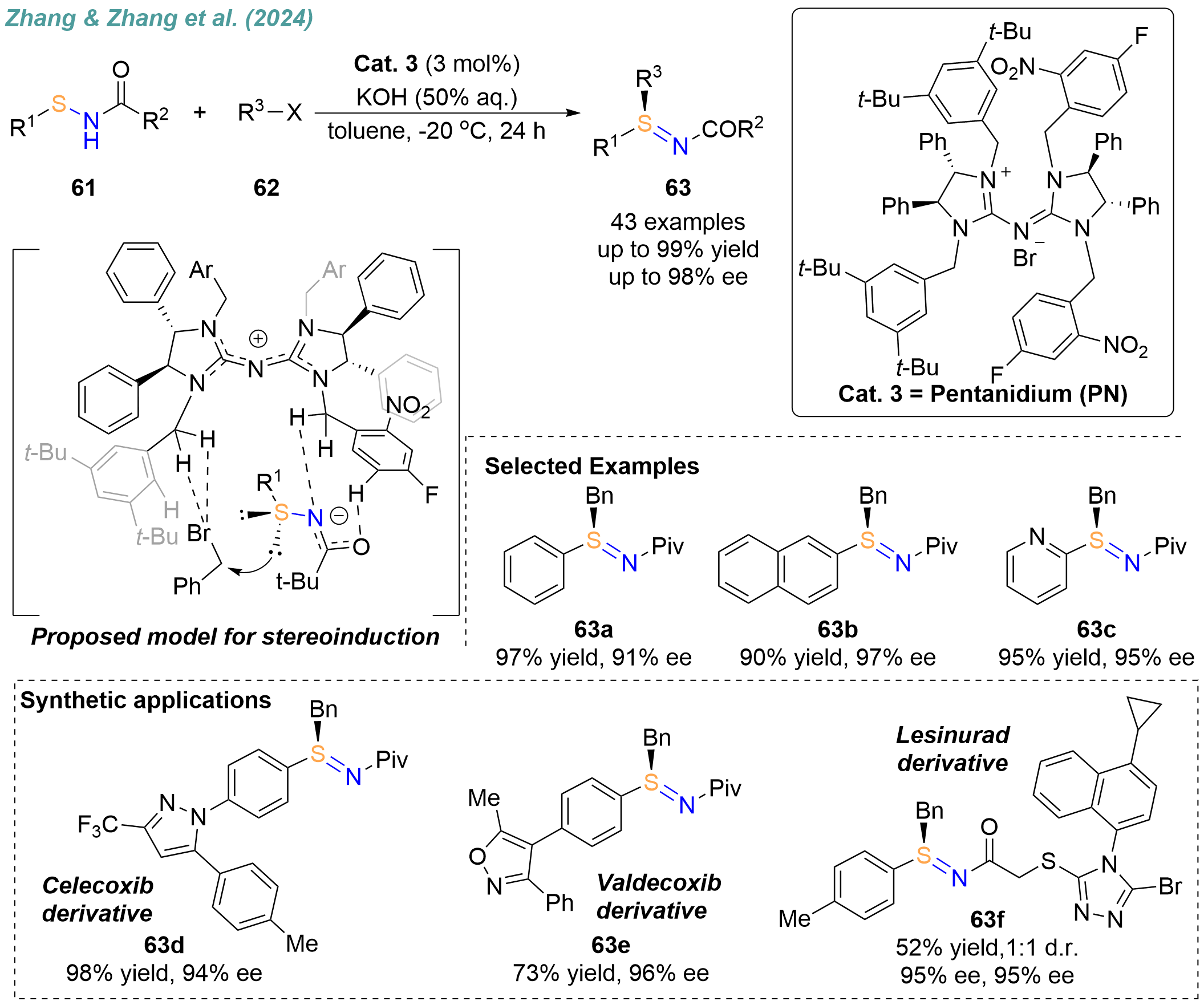
Zhang and co-workers disclosed an organocatalytic strategy for the enantioselective synthesis of chiral sulfilimines via the pentanidium (Cat. 3) catalyzed sulfur alkylation of sulfenamides (61)[54]. This transition metal-free protocol exhibits exclusive chemoselectivity for sulfur over nitrogen and high enantiocontrol, enabling efficient access to a broad range of enantioenriched aryl and alkyl sulfilimines (63) under mild conditions. The synthetic utility of this methodology was further demonstrated by robust gram-scale preparations and the late-stage functionalization of pharmaceutical agents, including celecoxib (63d) and valdecoxib (63e) derivatives (Scheme 12).
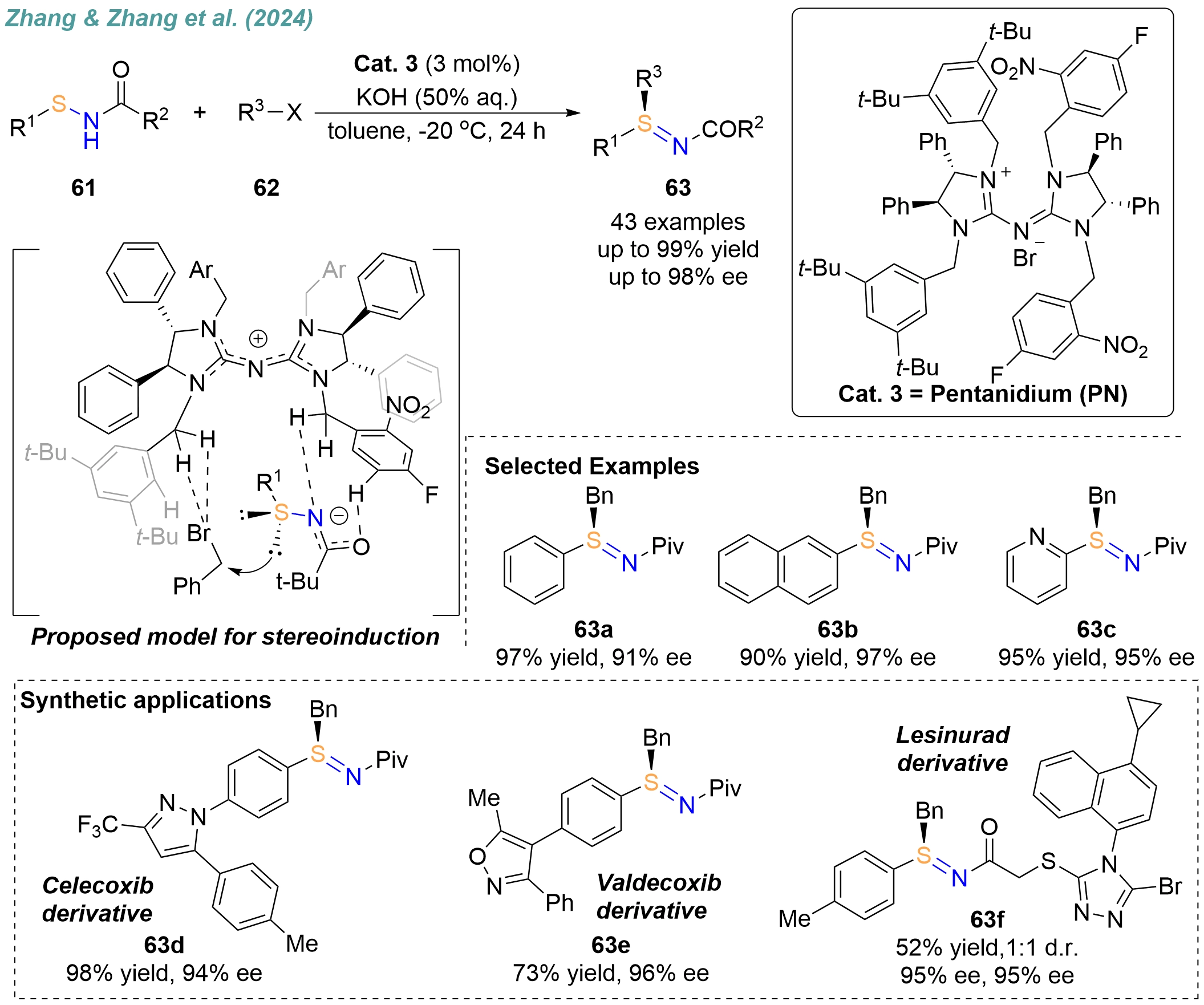
Scheme 12. Pentanidium-catalyzed organocatalytic enantioselective S-alkylation of sulfenamides.
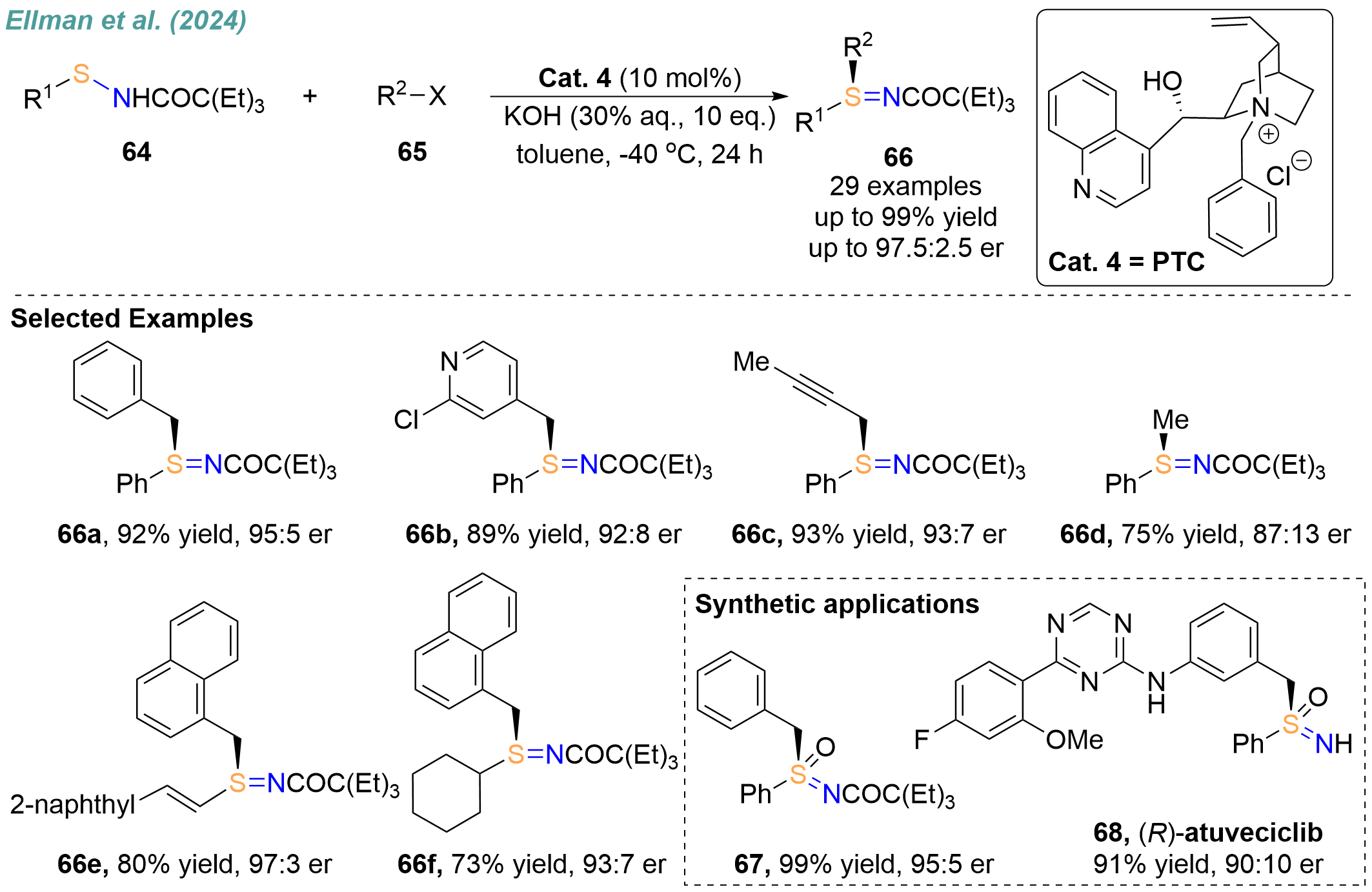
Ellman and co-workers disclosed an enantioselective S-alkylation of N-acyl sulfenamides (64) mediated by cinchona alkaloid-derived phase-transfer catalysts (Cat.4)[55]. The implementation of a sterically demanding N-triethylacetyl protecting group and the use of aqueous KOH under biphasic conditions at low temperature proved essential for achieving high enantioselectivity. The synthetic utility of the resulting enantioenriched sulfilimines was further demonstrated through their stereospecific oxidation to pharmacologically relevant sulfoximines (66) and the efficient asymmetric synthesis of the clinical candidate atuveciclib (68) (Scheme 13).
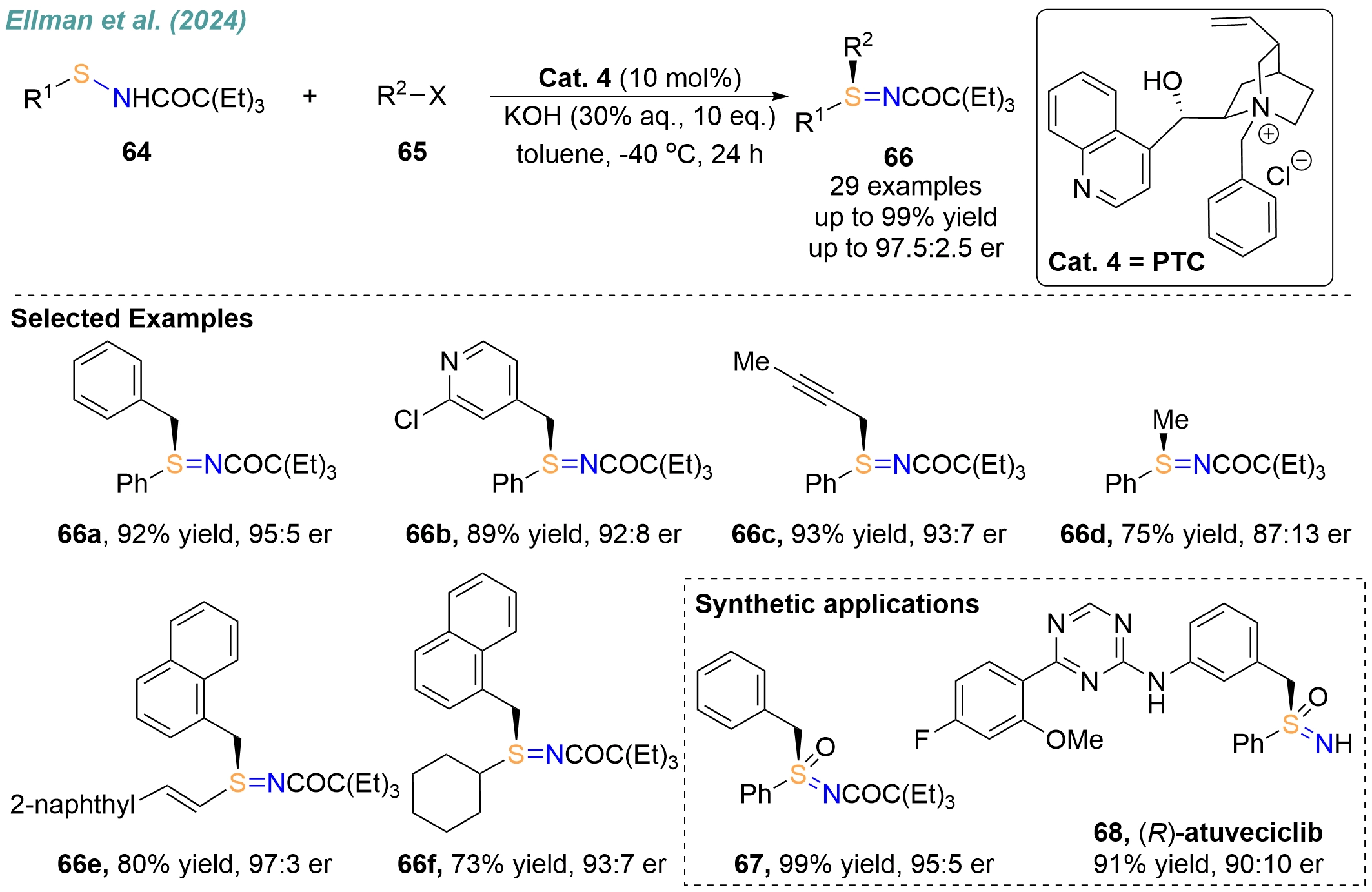
Scheme 13. Phase-transfer catalyzed enantioselective S-alkylation of N-Acyl sulfenamides.
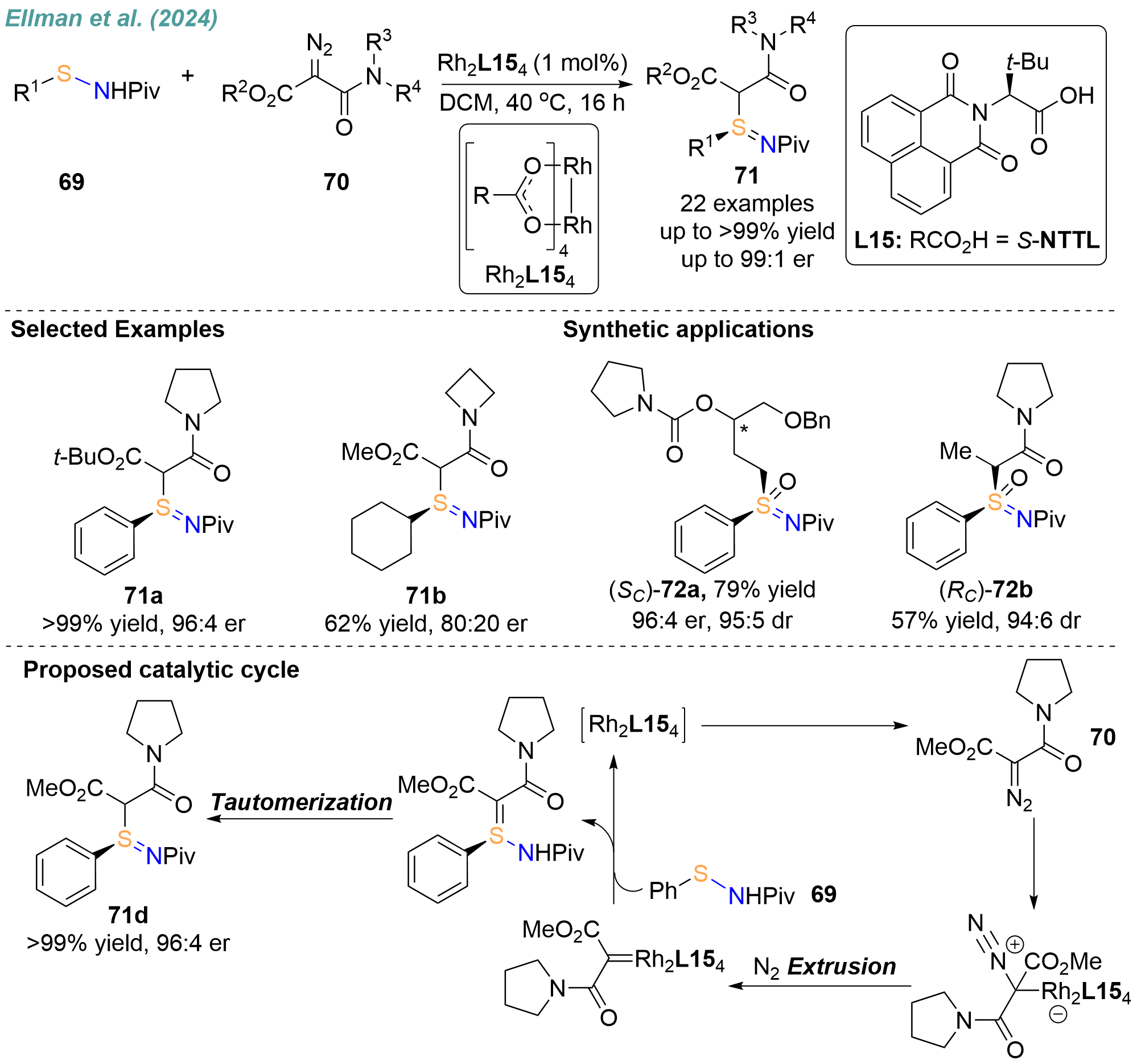
In the same year, Ellman and co-workers reported an efficient, highly enantioselective Rh(II)-catalyzed S-alkylation of N-acylsulfenamides (69) with acceptor-acceptor α-amido diazoacetates (70), providing streamlined access to structurally diverse sulfilimines (71) and sulfoximines (72)[56]. Operating under mild conditions with merely 1 mol % of the chiral dirhodium complex Rh2(S-NTTL)4, this methodology affords enantioenriched sulfilimines in excellent yields with enantiomeric ratios reaching up to 99:1. From a mechanistic standpoint, the catalytic cycle commences with the coordination of the diazo substrate to the rhodium center, followed by nitrogen gas extrusion to form a highly electrophilic metal carbenoid species. The sulfenamide sulfur then nucleophilically attacks this transient carbenoid, liberating the catalyst and generating a sulfur ylide intermediate that rapidly undergoes proton tautomerization to deliver the stereodefined chiral sulfilimine. Beyond establishing the initial sulfur stereocenter, the incorporated tertiary amide motif acts as a key structural handle; it successfully suppresses unwanted α-epimerization and directs highly diastereoselective downstream elaborations, including epimerization-free α-alkylations, stereospecific oxidations, and nucleophilic additions, thereby enabling the modular synthesis of biomedically relevant sulfoximines bearing multiple stereogenic centers (Scheme 14).
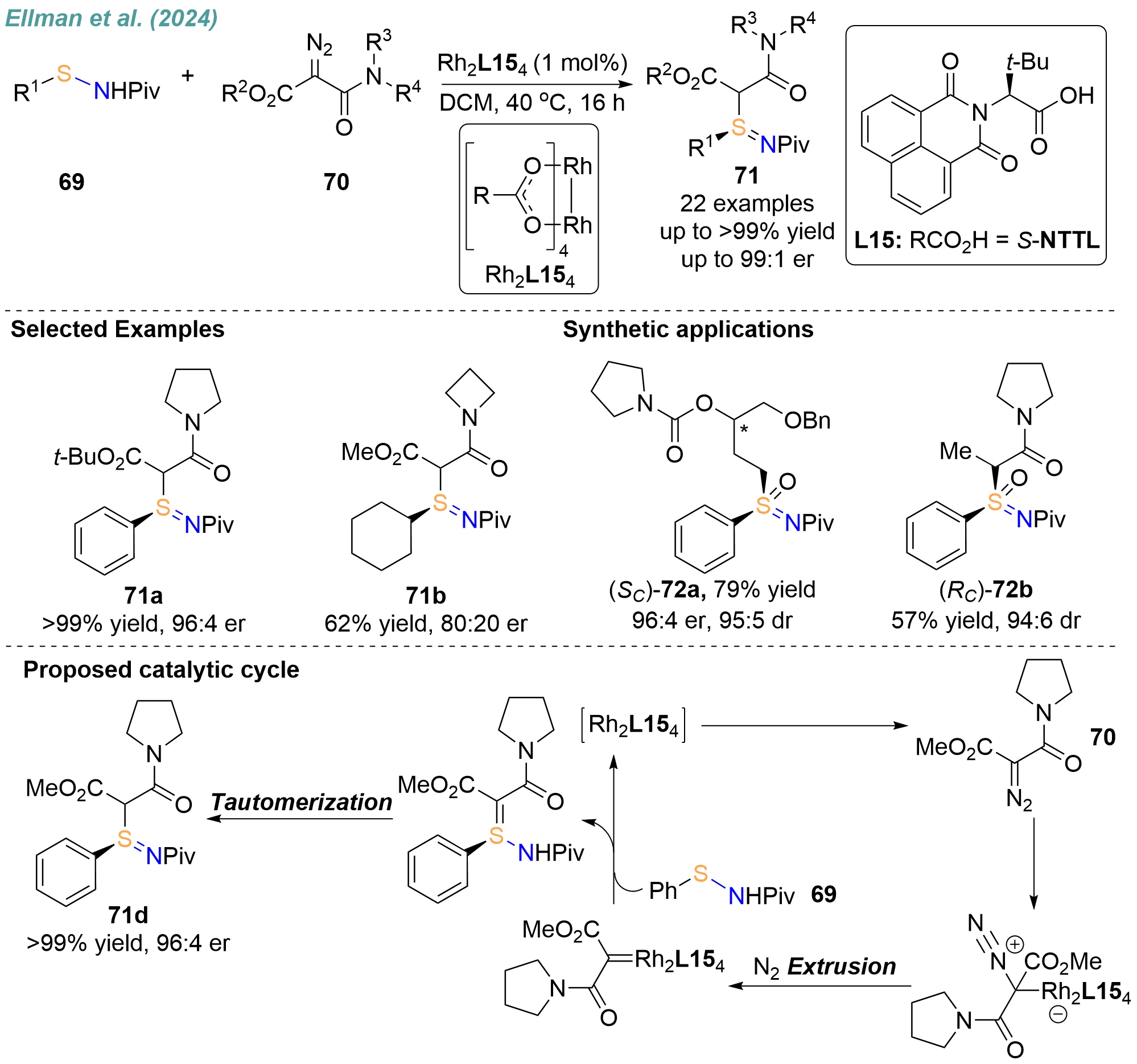
Scheme 14. Rh(II)-catalyzed enantioselective S-alkylation with α-Amide diazoacetates.
The three S-alkylation manifolds are complementary: the pentanidium organocatalyst is metal-free, operates under mild conditions, and supports gram-scale and late-stage functionalization; the cinchona-derived phase-transfer catalyst relies on aqueous KOH and a bulky N-protecting group; and the dirhodium system requires only 1 mol% catalyst and gives up to 99:1 er with α-amido diazoacetates. Despite these advances, current methods remain largely restricted to aryl-substituted or electronically activated substrates. Achieving high enantiocontrol with purely aliphatic or dialkyl substrates is still challenging, mainly because such substrates lack sufficient non-covalent interaction sites for catalyst recognition and are prone to competing side reactions. Extending asymmetric S-alkylation to fully aliphatic sulfur stereocenters therefore remains an important goal for future method development.
2.5 Asymmetric oxidative esterification of sulfenamides
Functioning as the nitrogenous analogs of sulfinate esters, enantioenriched sulfinimidate esters serve as exceptionally versatile linchpin precursors that enable divergent access to a broad spectrum of these S-stereogenic architectures. While catalytic strategies for assembling traditional sulfoxides and forging C-S bonds are currently well established, the direct catalytic asymmetric construction of stereogenic S-O bonds has historically remained a severe challenge. Prior to recent advances, securing these chiral esters relied almost entirely on the stereospecific O-alkylation of stoichiometrically pre-resolved sulfinamides, a stepwise dependency that intrinsically restricted synthetic efficiency. The scarcity of direct enantioselective methodologies stems from profound mechanistic bottlenecks inherently associated with aza-sulfur chemistry.
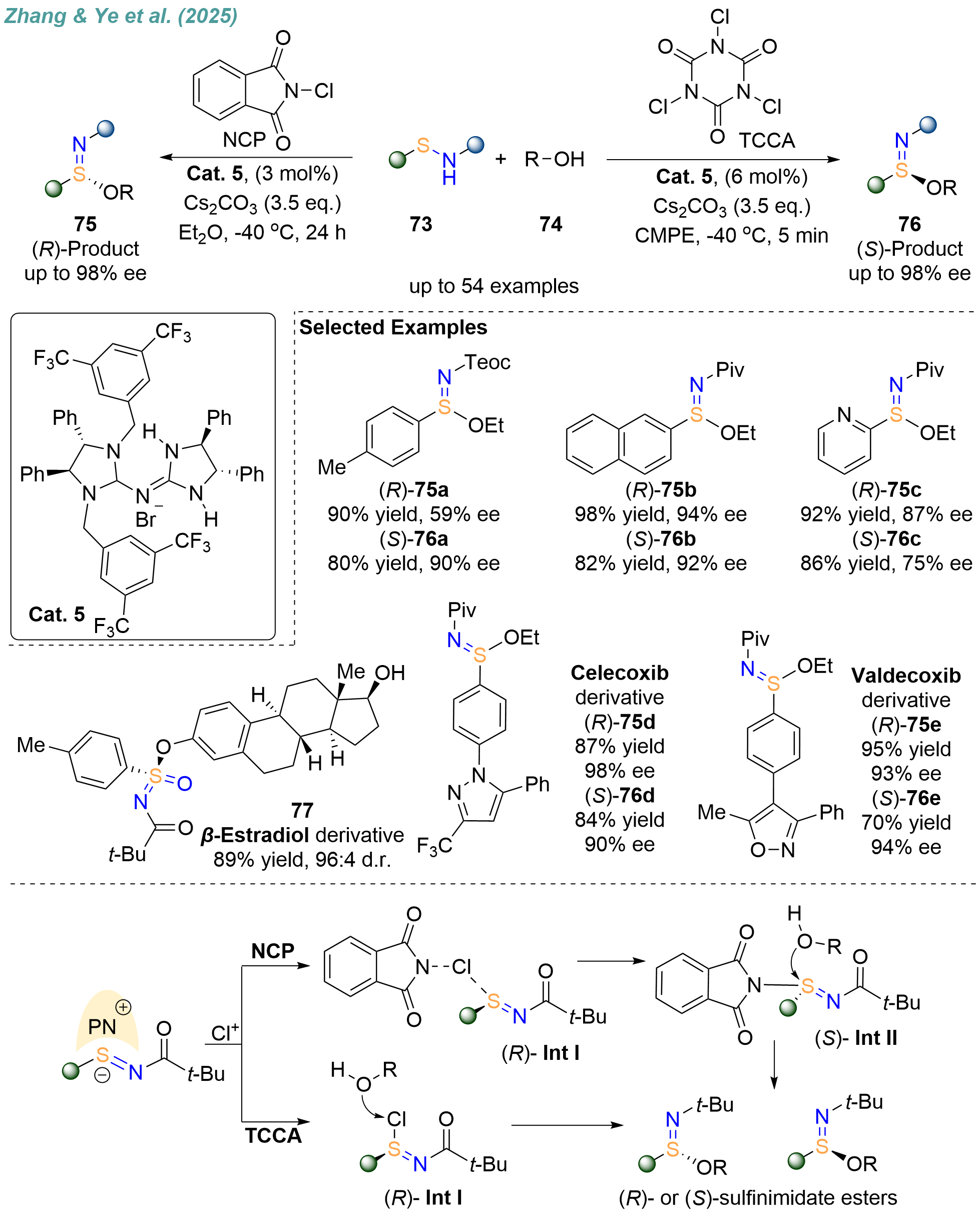
Ye, Zhang, and co-workers developed a highly efficient, reagent-regulated enantiodivergent synthesis of chiral sulfinimidate esters (75, 76) via the pentanidium (PN, Cat.5) catalyzed chlorination and alcoholysis of sulfenamides (73)[57]. Remarkably, by employing a single enantiomer of a chiral organocatalyst, both product configurations can be accessed with high optical purity simply by switching the achiral chlorinating agent. Mechanistically, the reaction begins with a catalyst-directed enantioselective chlorination to generate a transient (R)-sulfinimidoyl chloride intermediate. When trichloroisocyanuric acid (TCCA) is used, an incoming alcohol directly displaces the chloride through a single stereochemical inversion to afford the (S)-product (76). Conversely, employing N-chlorophthalimide (NCP) triggers a double-inversion cascade; the in situ-released phthalimide anion intercepts the electrophile to form a discrete (S)-sulfinamidine species, which undergoes a subsequent stereospecific alcoholysis to deliver the (R)-enantiomer (75). This metal-free protocol establishes a robust and modular platform for constructing diverse aza-sulfur stereocenters (Scheme 15).
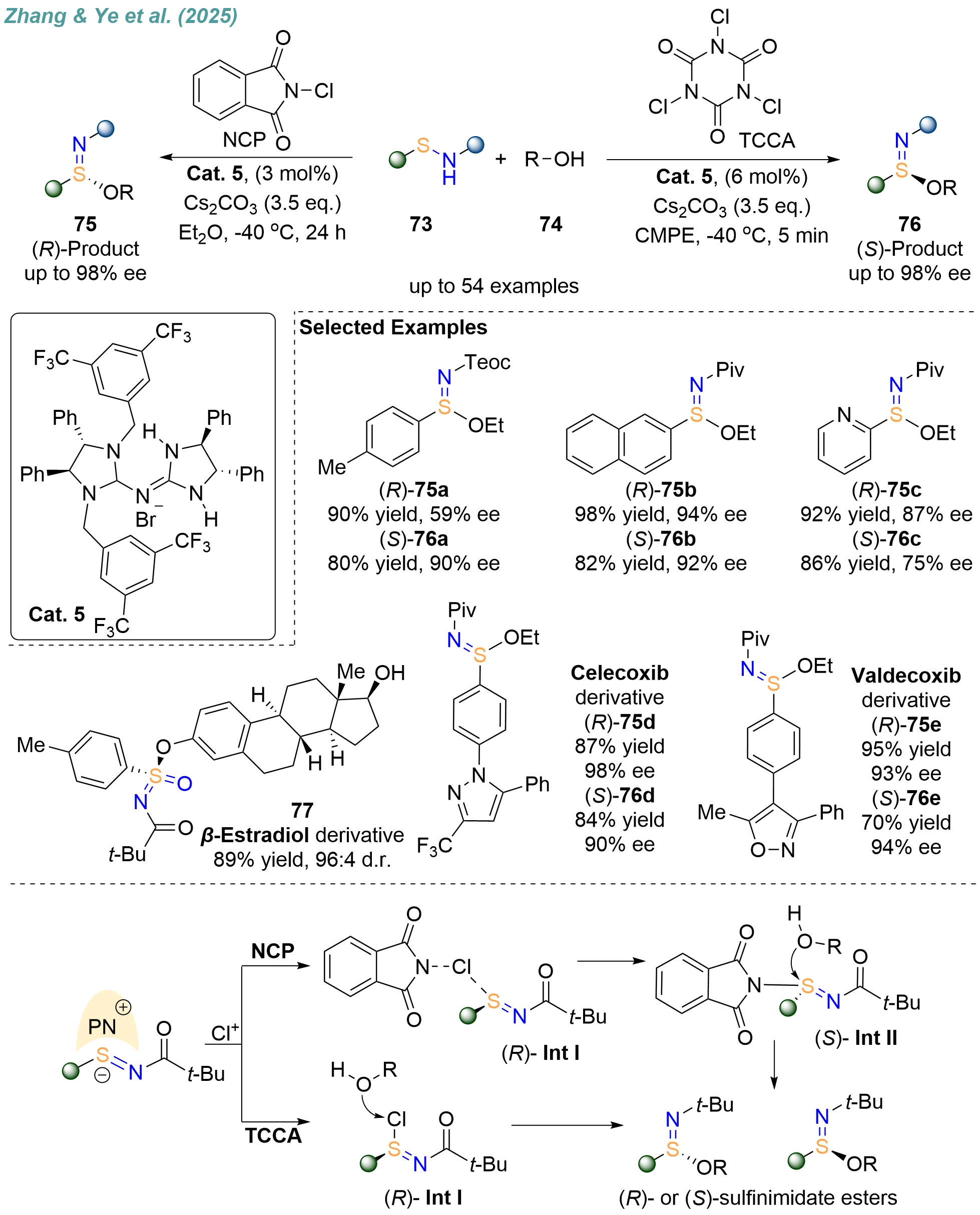
Scheme 15. Organocatalytic enantiodivergent synthesis of sulfinimidate esters.
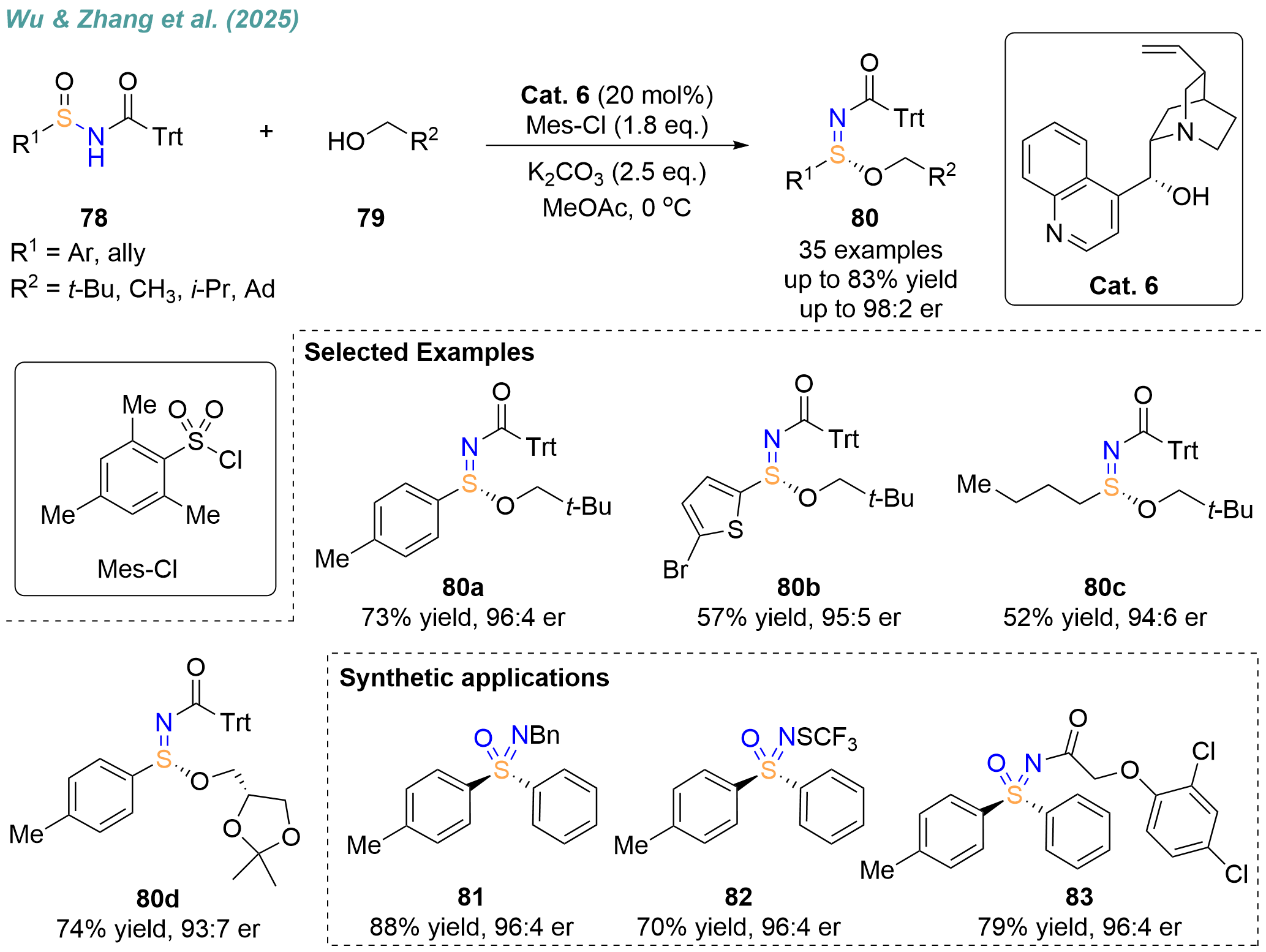
Wu and co-workers disclosed an organocatalytic sulfinamide activation strategy for the enantioselective synthesis of S(IV)-stereogenic sulfinimidate esters (80) from racemic sulfinamides (78)[58]. This transformation employs sulfonyl chloride to generate a reactive aza-sulfinyl mixed anhydride intermediate in situ, which undergoes a cinchonidine (Cat.6) catalyzed dynamic kinetic resolution (DKR) process involving facile sulfur stereocenter inversion to enable stereoselective S-O bond formation with broad substrate compatibility. The resulting enantioenriched sulfinimidate esters not only serve as versatile linchpin precursors for the stereospecific construction of pharmacologically relevant sulfilimines and sulfoximines (81-83) but also exhibit significant antibacterial activity against rice pathogens, highlighting their utility in both asymmetric synthesis and agrochemical development (Scheme 16).
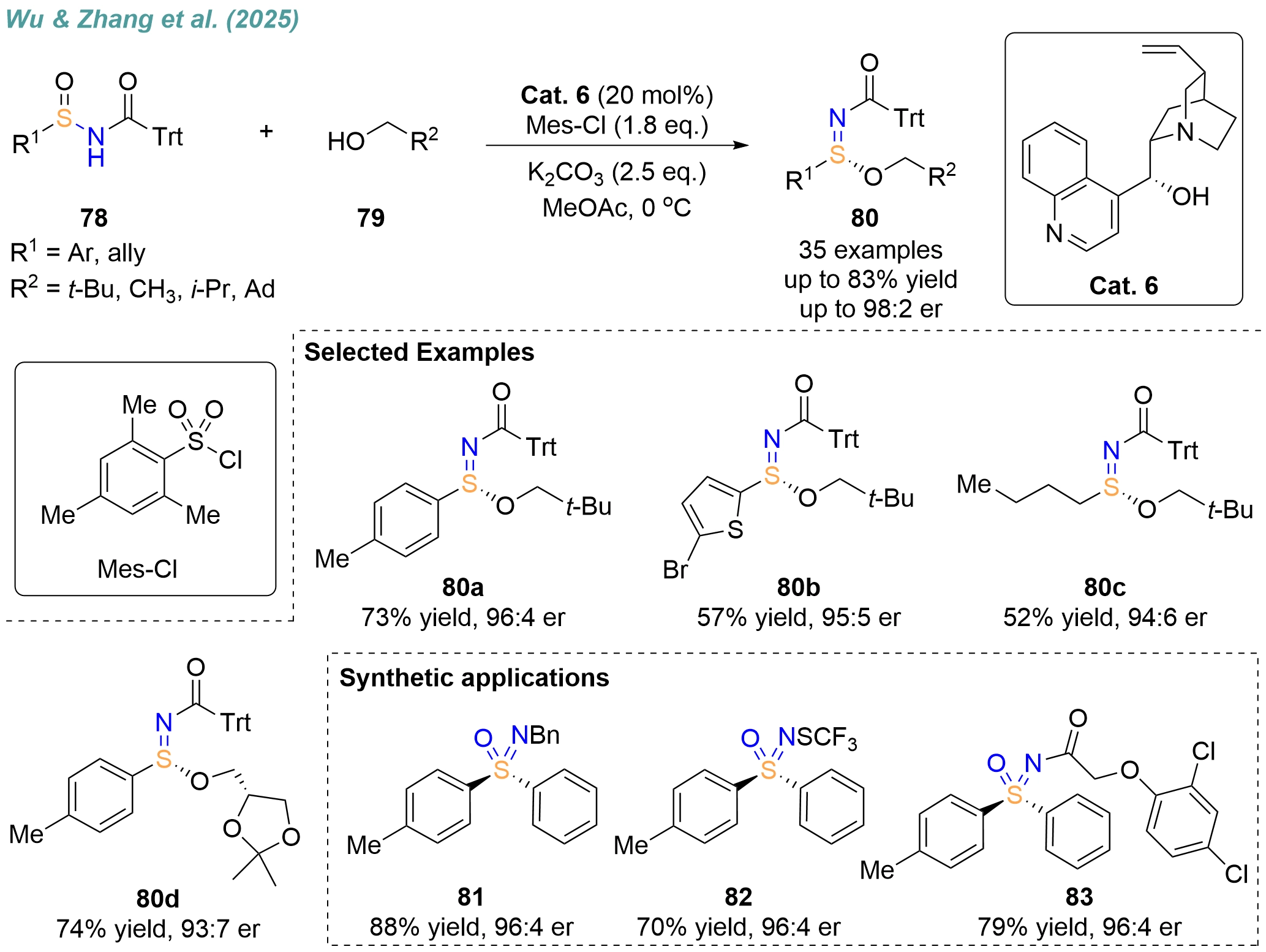
Scheme 16. Cinchonidine-catalyzed dynamic kinetic resolution of sulfinamides.
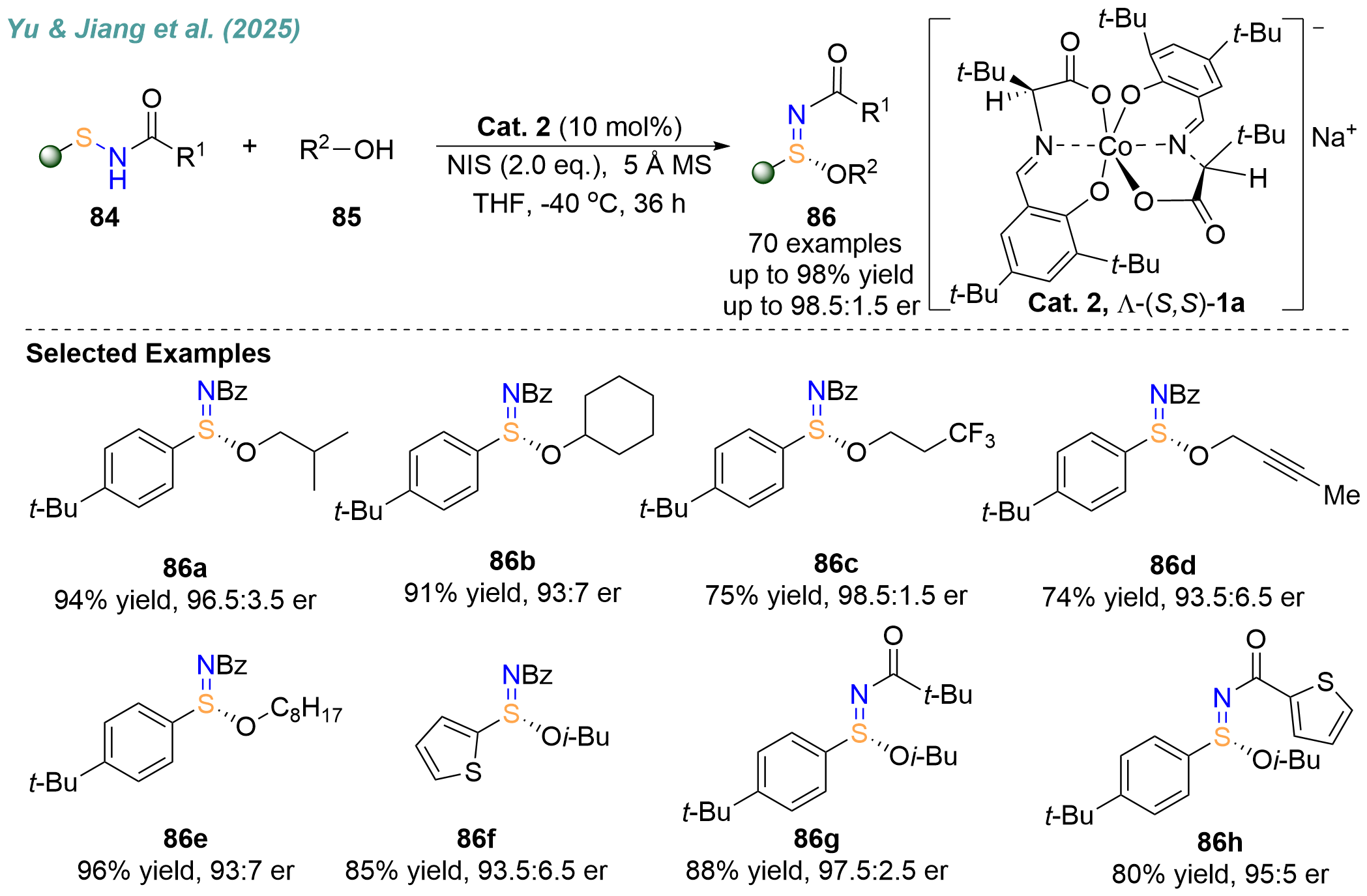
Jiang, Yu, and co-workers disclosed an enantioselective oxidative esterification of sulfenamides (84) catalyzed by anionic stereogenic-cobalt(III) complexes (Cat.2) to access chiral sulfinimidate esters (86)[59]. This transformation proceeds via a key chiral sulfinimidoyl iodide intermediate generated in situ with N-iodosuccinimide (NIS), which undergoes stereospecific nucleophilic substitution with alcohols (85) to deliver the products with excellent enantiocontrol. The resulting enantioenriched sulfinimidate esters serve as versatile linchpin precursors for the divergent synthesis of pharmacologically relevant aza-sulfur scaffolds, including sulfilimines and sulfinamidines (Scheme 17).
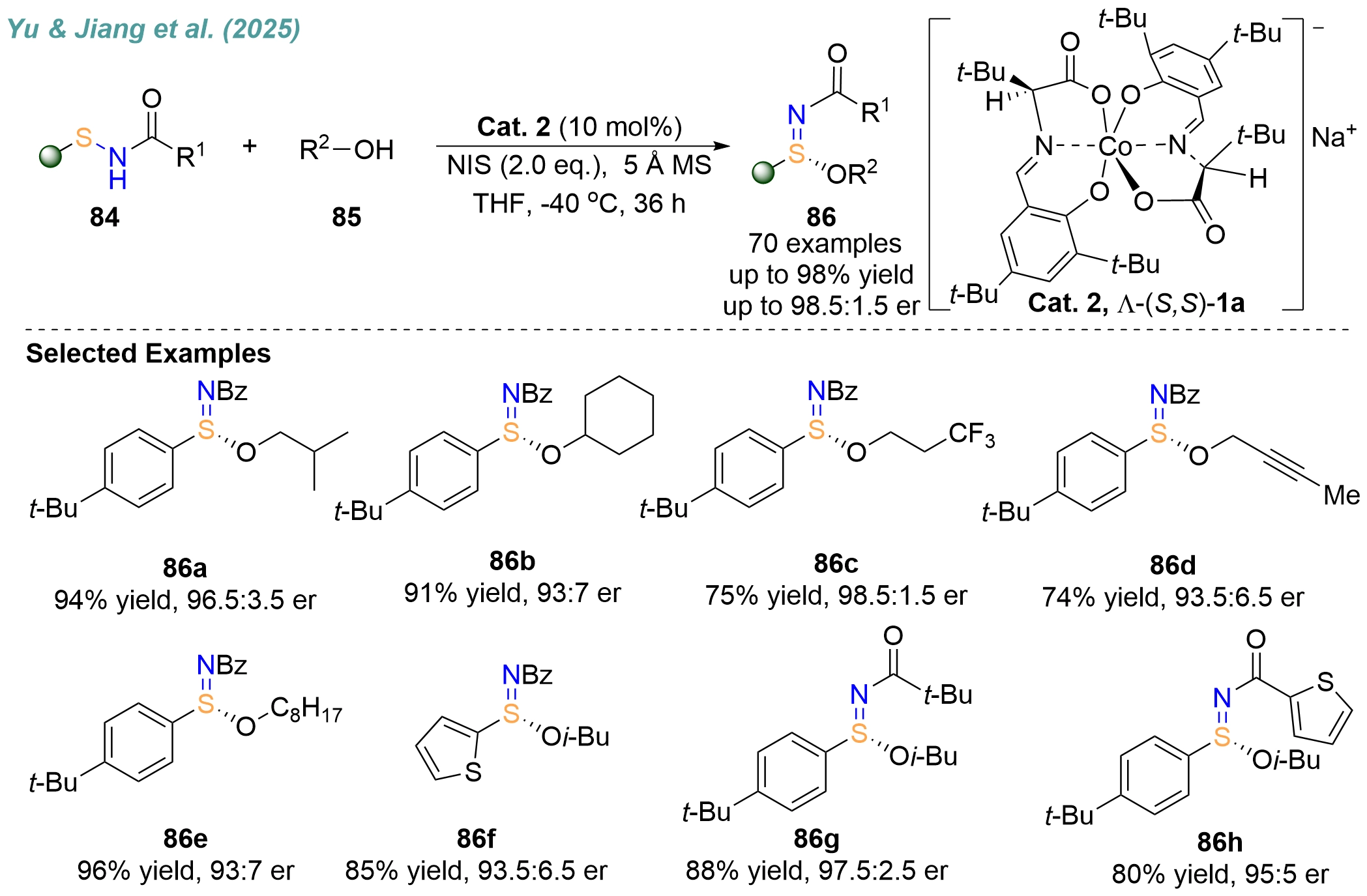
Scheme 17. Co(III)-catalyzed enantioselective oxidative esterification of sulfenamides.
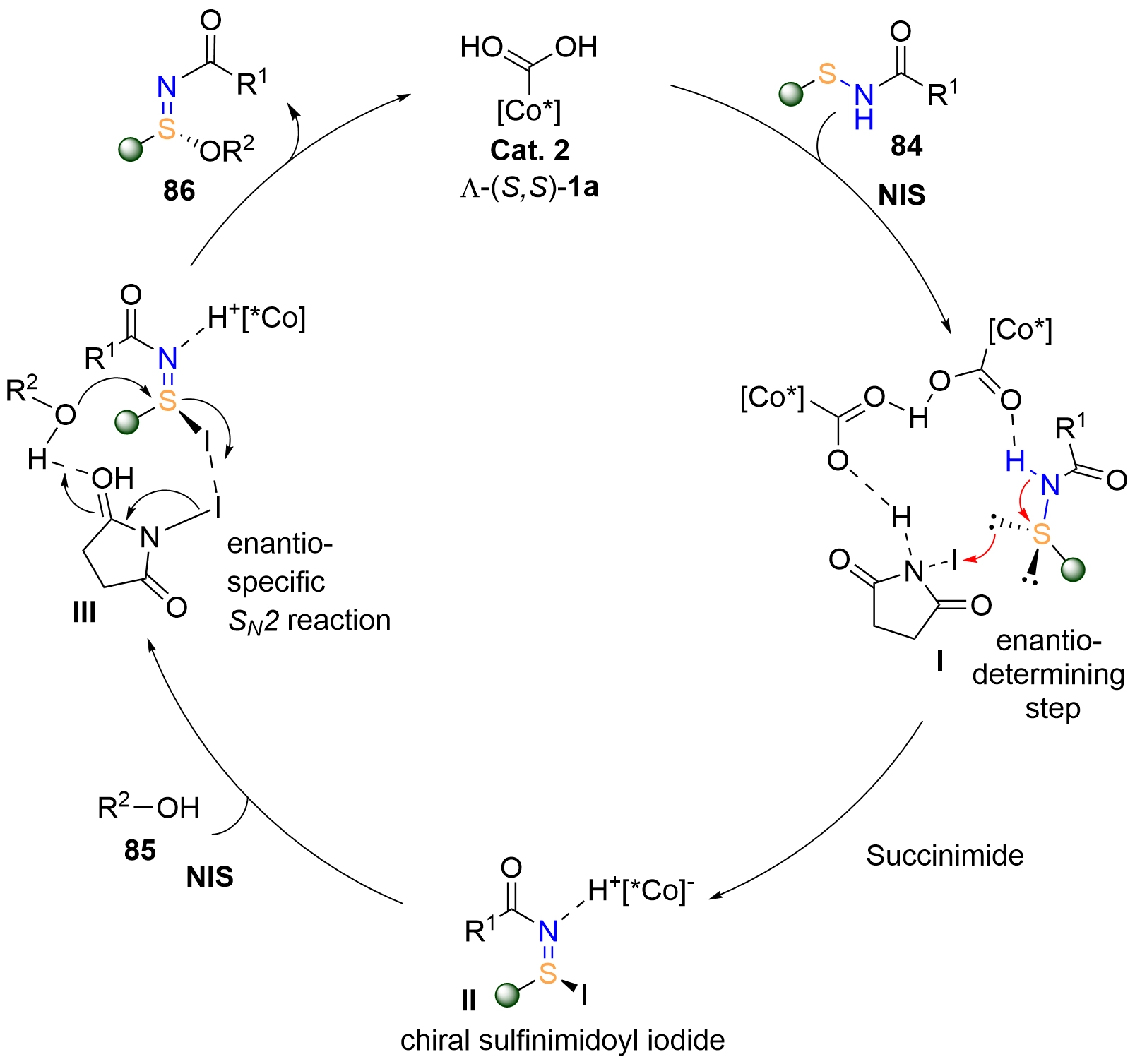
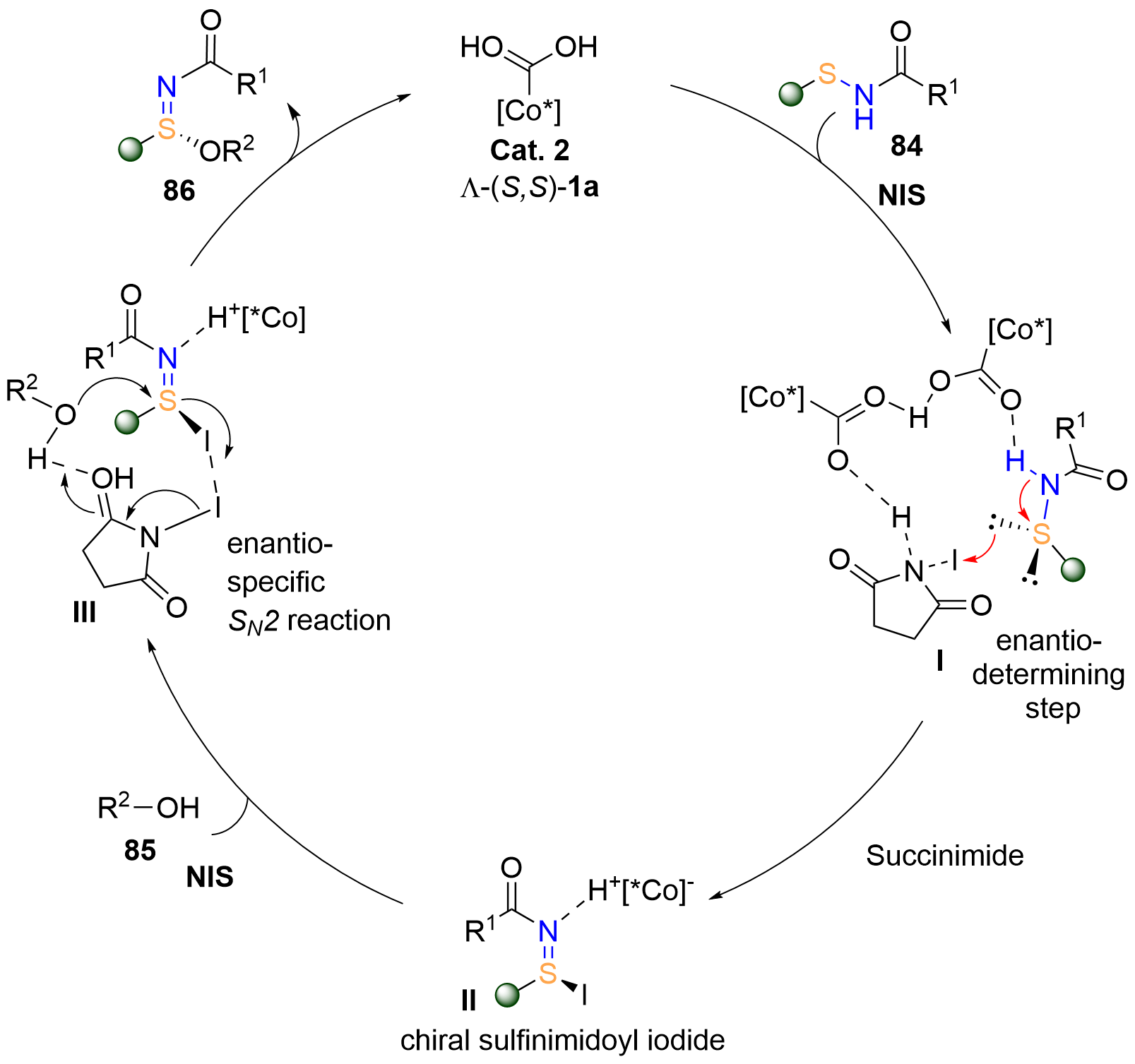
Based on mechanistic investigations, including nonlinear effect (NLE) studies and control experiments utilizing (L)-menthol as a chiral probe, the reaction is proposed to proceed via a chiral Brønsted acid catalytic cycle mediated by the anionic stereogenic-at-cobalt(III) complex. The transformation commences with the in-situ generation of a protonated chiral species [Co*]H, which facilitates the enantioselective oxidative iodination of the sulfenamide with NIS. This constitutes the enantio-determining step, furnishing a configurationally stable chiral sulfinimidoyl iodide intermediate (II). Subsequently, this electrophilic intermediate, activated by the Brønsted acid catalyst and assisted by a second equivalent of NIS, undergoes an enantiospecific SN2-type nucleophilic substitution with the alcohol. This step delivers the desired sulfinimidate ester with high stereofidelity while regenerating the active catalyst (Figure 5).
2.6 Catalytic asymmetric S-amination of sulfenamides
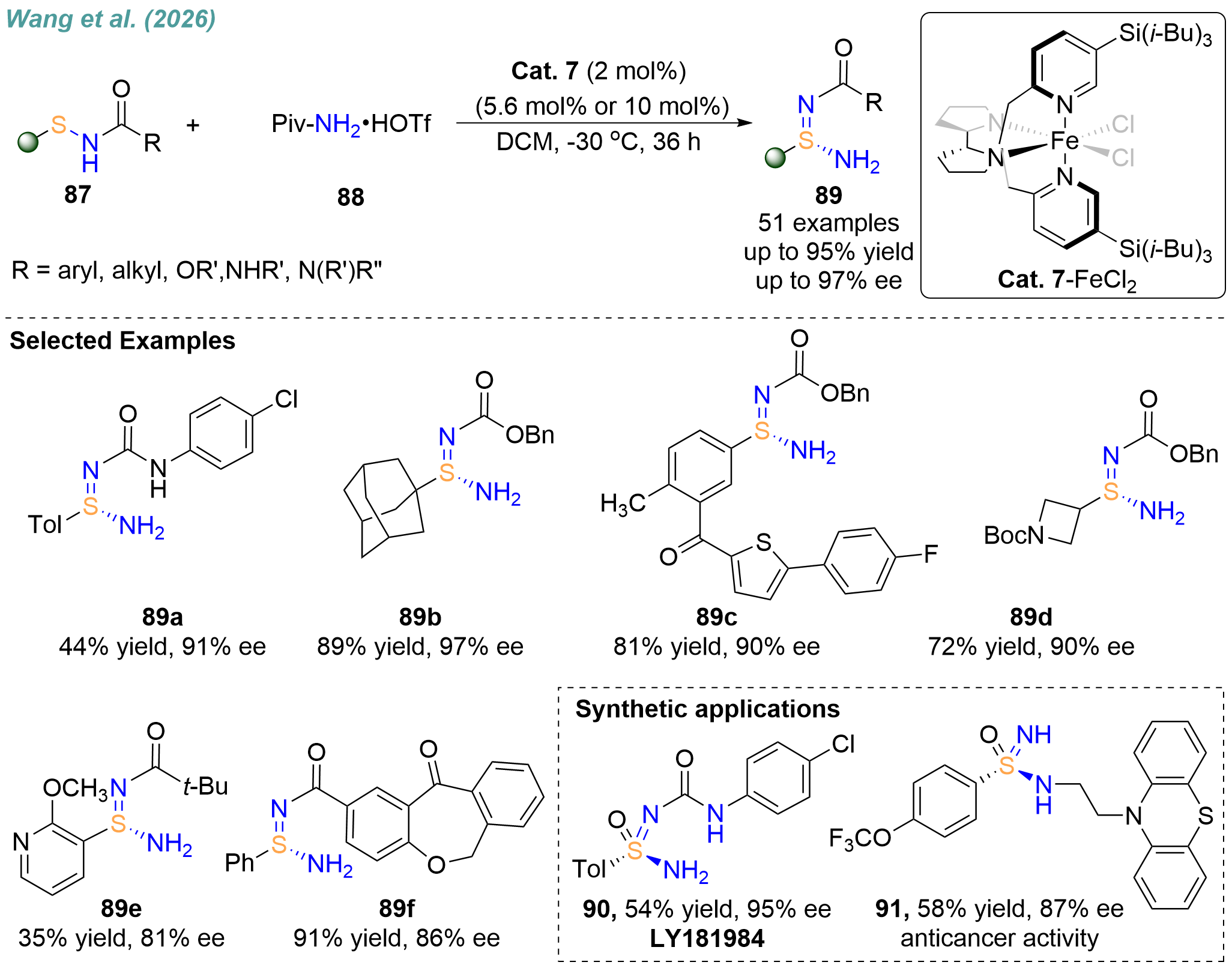
While the asymmetric S-arylation, S-alkylation, and S-oxygenation of sulfenamides have been extensively developed, the corresponding enantioselective S-amination to directly furnish chiral sulfinamidines, which represent highly nitrogenated S(IV) analogs of sulfinamides, has historically presented a significant synthetic challenge. Previous asymmetric amination protocols were often restricted by limited substrate scopes, particularly concerning rigid N-protecting groups. Addressing this critical gap, Wang, Mo, and co-workers (2026) elegantly developed the transition-metal-catalyzed asymmetric NH2-amination of sulfenamides (87)[60]. Utilizing an earth-abundant, bioinspired iron complex featuring a bulky chiral triisobutylsilyl-substituted PDP ligand (FeCl2(TIBSPDP), Cat.7) alongside O-pivaloyl hydroxylammonium triflate (88) as the electrophilic aminating reagent, the protocol enables direct NH2 transfer under remarkably mild conditions. Crucially, this method features an exceptionally broad substrate scope, seamlessly accommodating N-carbamate, N-urea, and N-amide protected sulfenamides to deliver structurally diverse chiral sulfinamidines (89) with high yields and excellent enantioselectivities up to 97% ee. Mechanistic investigations support a radical-mediated pathway involving an electrophilic iron-aminyl radical intermediate, wherein substrate chelation to the iron center prior to S-N bond formation ensures rigid stereocontrol. Highlighting its translational potential, the methodology was successfully applied to the streamlined synthesis of pharmaceutically relevant aza-analogs, such as the oncolytic sulfonylurea candidate LY181984 (90) and a PP2A modulator (91) (Scheme 18).
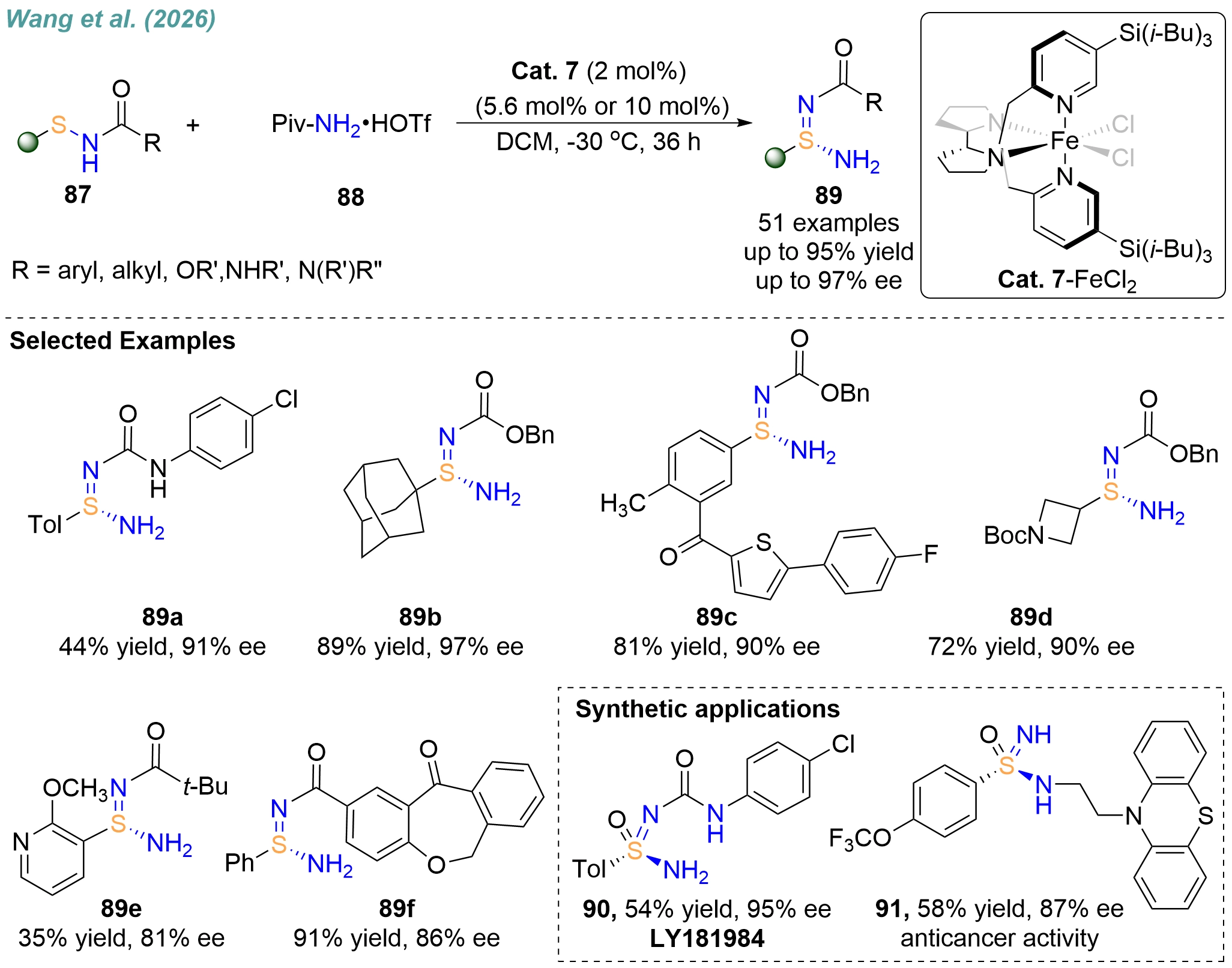
Scheme 18. Iron-catalyzed enantioselective direct NH2-amination of sulfenamides.
A broad set of representative catalytic methods have been developed for the asymmetric construction of chiral S(IV) sulfur compounds bearing S=N bonds, encompassing sulfilimines, sulfinamidines, and sulfinimidate esters. These strategies span transition-metal-catalyzed nitrene transfer and S-functionalization, organocatalytic alkylation and dynamic kinetic resolution, as well as radical cross-coupling, with substrates ranging from sulfides and sulfenamides to sulfinamides. Several well-established protocols support gram-scale synthesis and late-stage functionalization of pharmaceutical intermediates (Table 1).
Table 1. Comparison of representative catalytic methods for chiral S(IV) sulfur compounds.
| Substrate | Type of Reaction | Catalyst/Ligand | Product | Scope/scalability |
 | Nitrene transfer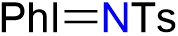 | Fe(III)/PyBOX (L1) | 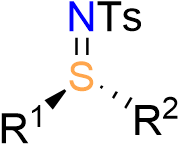 | Aryl alkyl sulfides; oxidation to sulfoximines |
 | Nitrene transfer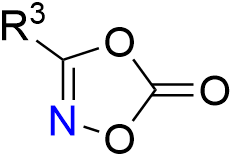 | (OC)ruthenium-salen complex (Cat.1) | 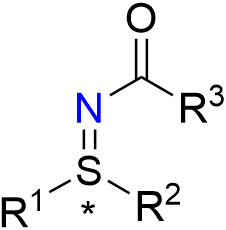 | Aryl alkyl sulfides; H-bonding activation |
 | S-arylation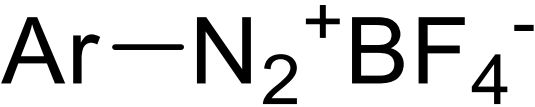 | Pd/Sadphos, (L5) | 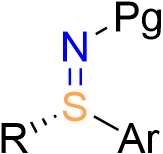 | Enantioselectivity-reversed outcomes |
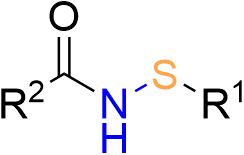 | S-arylation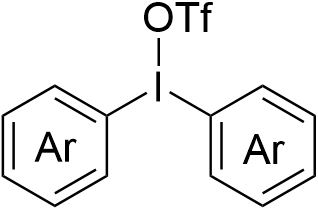 | Cu/BOX, (L7/L8) | 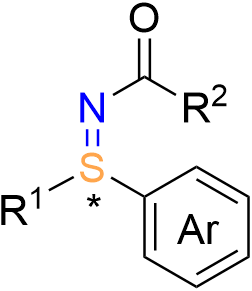 | Aryl alkyl sulfides; complete retention on oxidation |
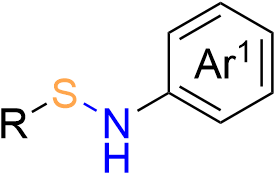 | S-arylation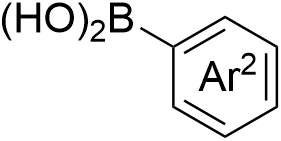 | Cu/Chan–Lam, (L6) | 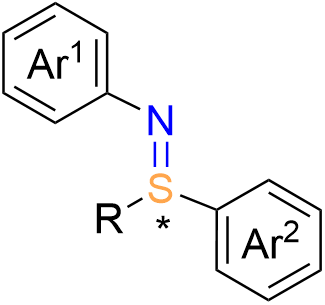 | Diaryl/aryl alkyl sulfenamides; S(VI) derivatization |
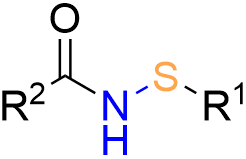 | S-arylation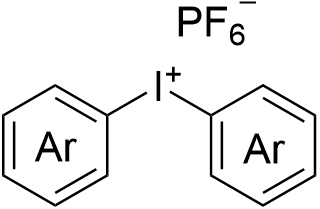 | Cu/bulky PyBox, (L8) | 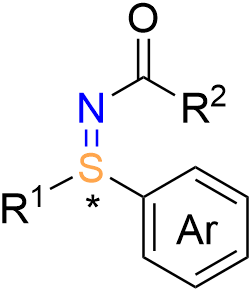 | Diaryl sulfilimines |
 | S-arylation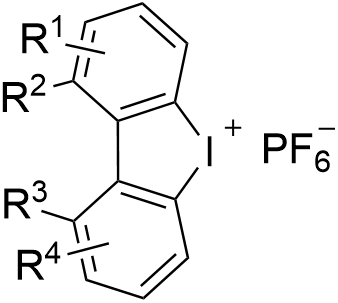 | Cu/Co(III) Cat.2 | 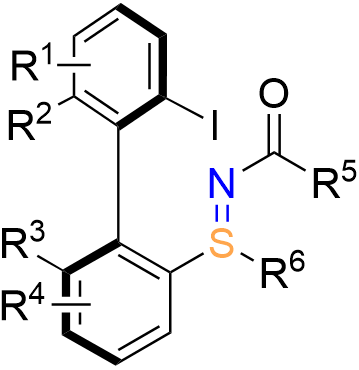 | Aryl sulfenamides; S(VI) derivatization |
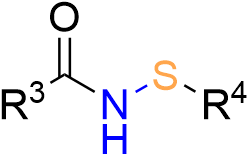 | S-arylation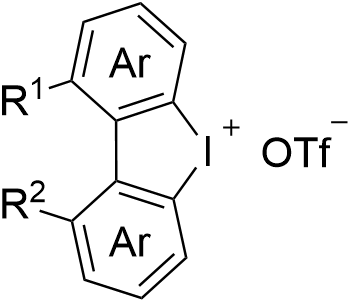 | Cu/Co(III) Cat.2 | 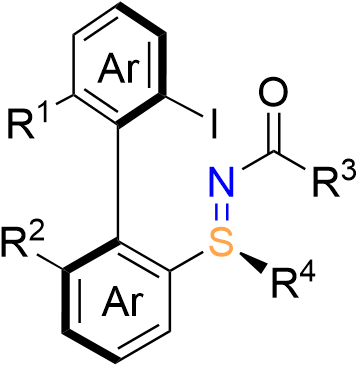 | N-acyl sulfenamides, broad scope |
 | Radical cross-coupling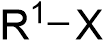 | CuI/L14 | 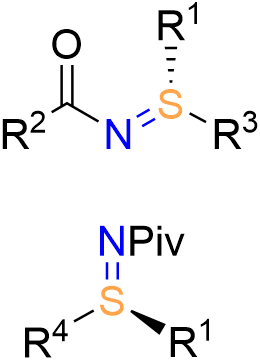 | Axially chiral biaryls; gram scale |
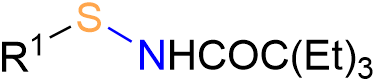
 | S-alkylation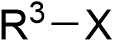 | Pentanidium, Cat.3 | 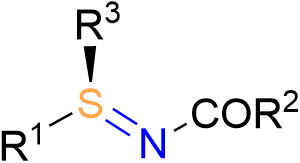 | > 50 radical types; fulvestrant synthesis |
 | S-alkylation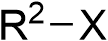 | Cinchona PTC, Cat.4 | 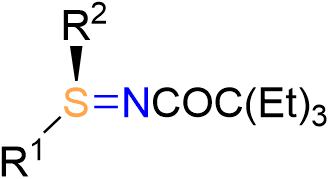 | Broad; gram scale, late-stage functionalization |
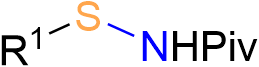 | S-alkylation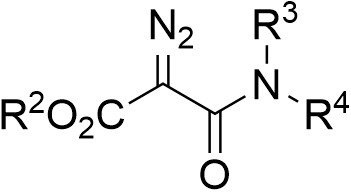 | Rh2(S-NTTL)4 | 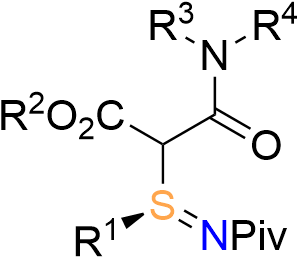 | N-acyl sulfenamides; atuveciclib synthesis |
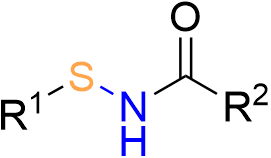 | NHsub>2/sub>-amination | FeCl2(TIBSPDP) | 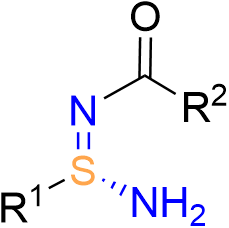 | Multifunctional, multi-stereocenter S(VI) |
3. Catalytic Asymmetric Synthesis of Chiral Sulfur(VI) Compounds
3.1 Synthesis of cyclic sulfur(VI) compounds via C-H activation and desymmetrization
Cyclic sulfoximines and cyclic sulfonimidamides are generally assembled by enantioselective C-H activation/annulation or desymmetrization; the key stereochemical challenge is to achieve enantiodetermining C-H cleavage without strongly coordinating directing groups.
3.1.1 Synthesis of cyclic sulfoximines via C-H activation and annulation
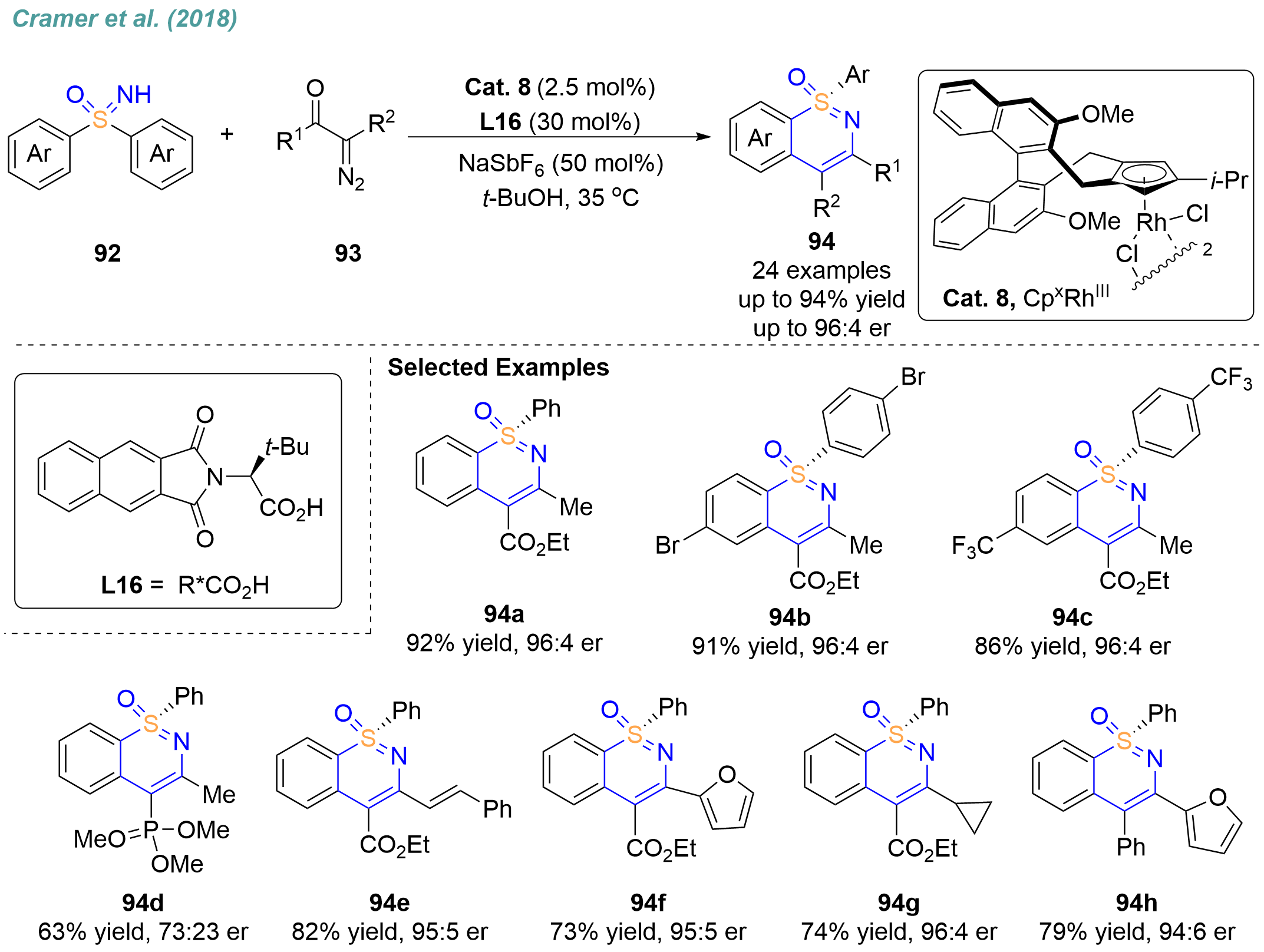
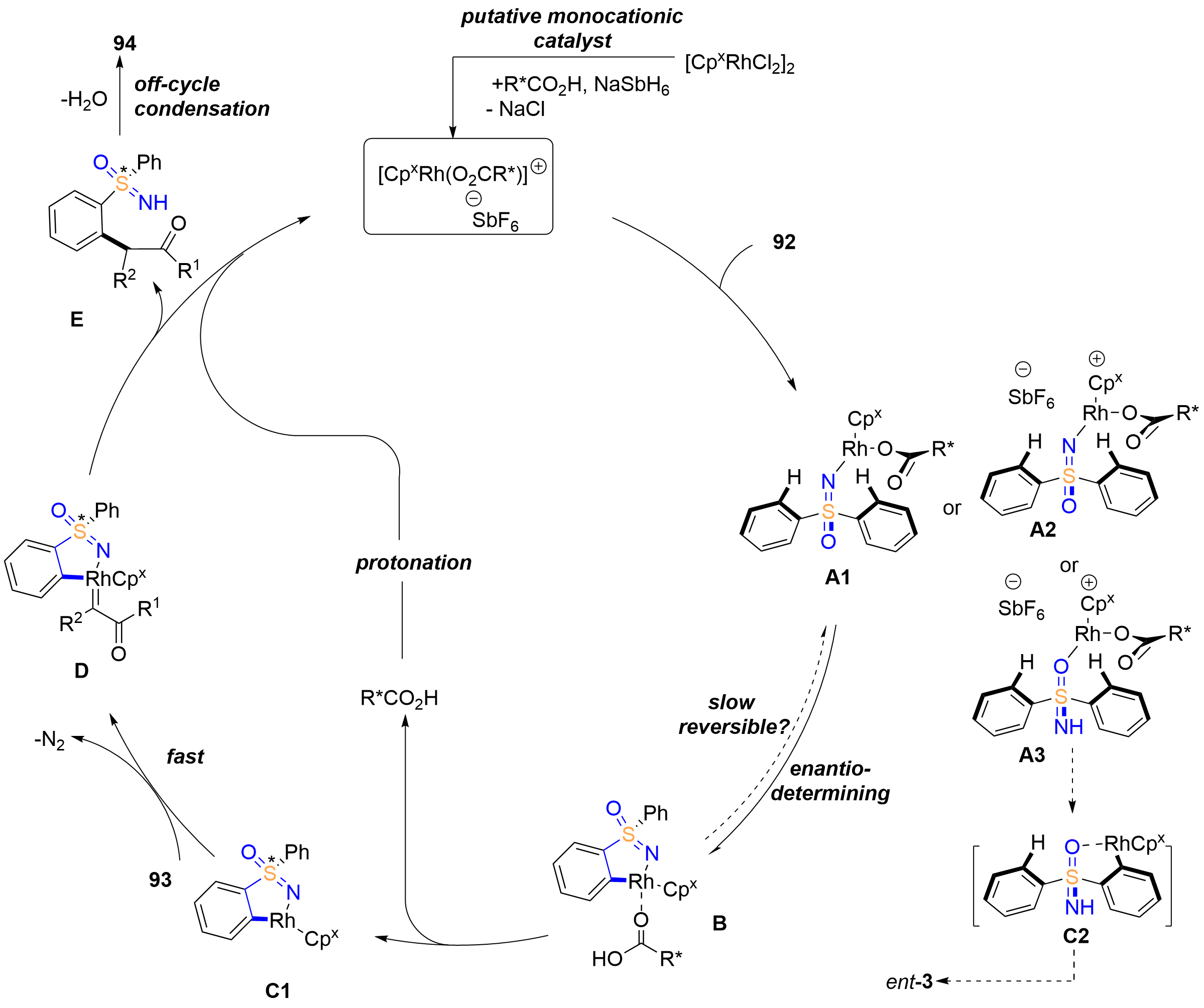
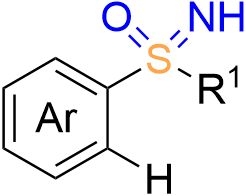
In 2018, Cramer and co-workers reported an enantioselective synthesis of sulfur-stereogenic 1,2-benzothiazines (92) via chiral Cp*RhIII-catalyzed C-H functionalization[61]. By employing a chiral RhIII catalyst (Cat.8) alongside a bulky carboxylic acid (L16) cocatalyst, the reaction achieves enantiodetermining C-H cleavage through a concerted metalation-deprotonation (CMD) mechanism. This protocol exhibits a broad substrate scope for diaryl sulfoximines, affording the target heterocycles (94) in high yields (75-94%) with enantiomeric ratios up to 96:4. Mechanistic insights suggest that stereocontrol is governed by the interplay between coordination modes (N- vs. O-binding) and the reactivity of the diazo coupling partner (93). Additionally, the method enables parallel kinetic resolution of racemic diaryl sulfoximines, delivering cyclized products with excellent enantioselectivities for both aryl moieties (Scheme 19).
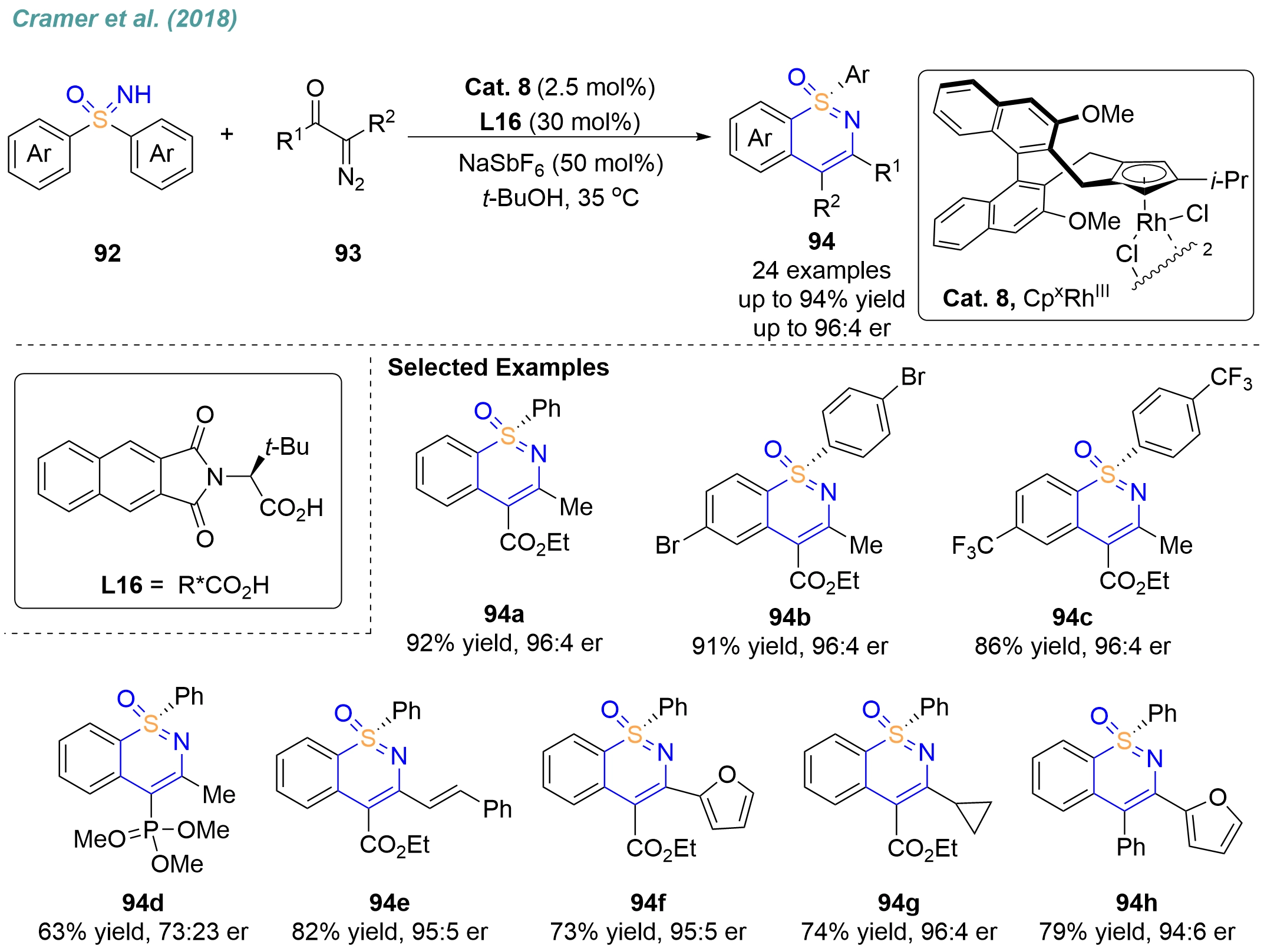
Scheme 19. Rh(III)-catalyzed enantioselective synthesis of 1,2-Benzothiazines via CMD mechanism. CMD: concerted metalation-deprotonation.
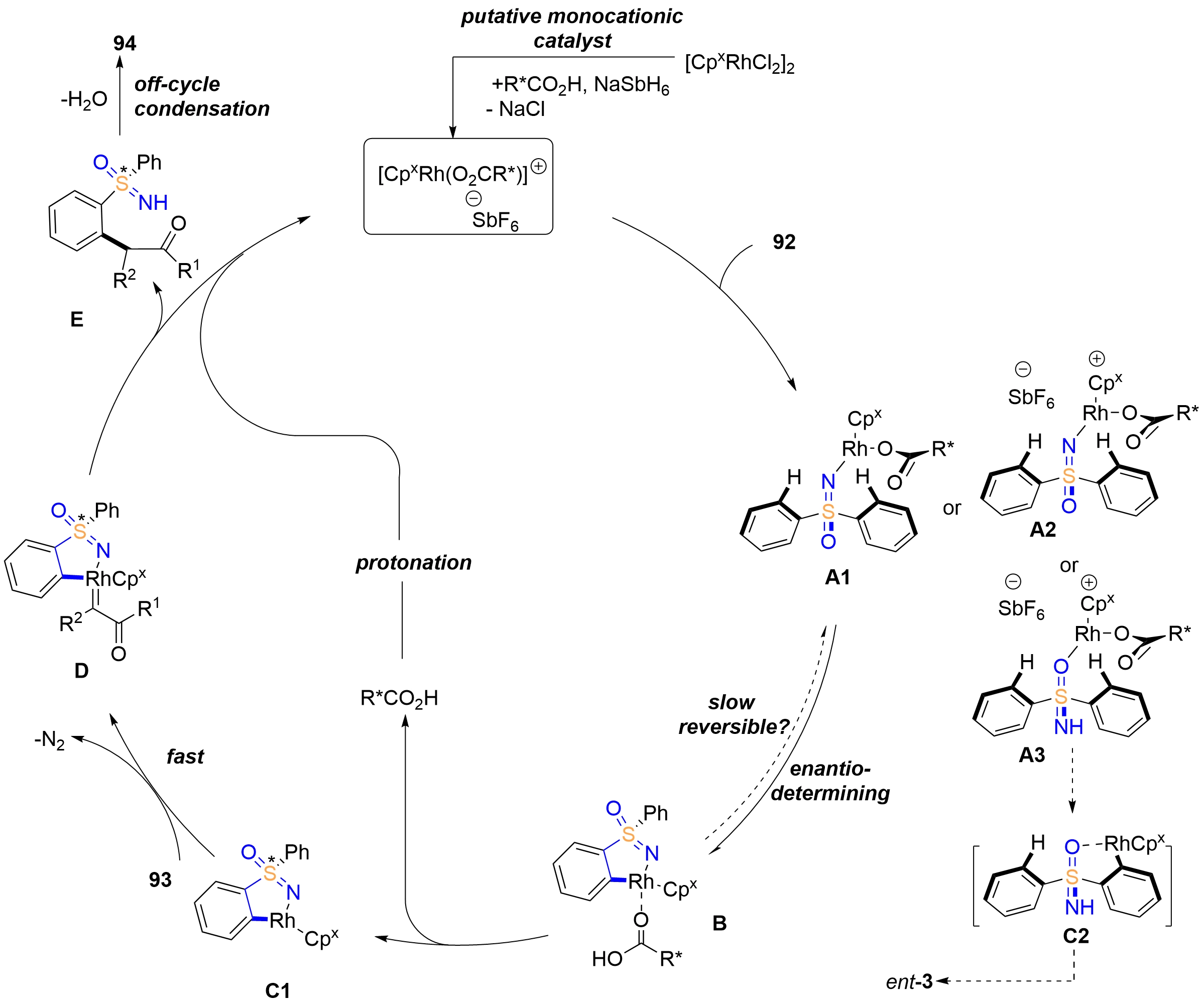
Mechanistic investigations suggest that the transformation proceeds via a CMD pathway. Initially, the active cationic Cp*RhIII species coordinates to the sulfoximine substrate (92) to form the pre-activation complex B. This coordination is subject to ambiguity depending on reaction conditions, potentially occurring via the deprotonated nitrogen (mode A1), the neutral NH group (mode A2), or the oxygen atom (mode A3). Intermediate B subsequently undergoes the enantiodetermining ortho-C-H activation via the CMD transition state, wherein the Rh center simultaneously abstracts a proton and forms a Rh-C bond. This step yields the stable five-membered rhodacyclic intermediate C (C1 or C2). Following this, the diazo compound (93) coordinates to the metal center, triggering the extrusion of N2 and generating the rhodium-carbenoid intermediate D. Migratory insertion of the carbenoid into the Rh-C bond constructs the new C-C bond. Subsequent protonation cleaves the metal-ligand bond, releasing the acyclic ketone intermediate E and regenerating the active Rh(III) catalyst. Finally, intermediate E undergoes an off-cycle cyclocondensation, involving nucleophilic attack of the sulfoximine nitrogen on the carbonyl moiety followed by dehydration, to deliver the target chiral 1,2-benzothiazine (94). Notably, the enantioselectivity is influenced by th reactivity of the diazo trapping agent; less reactive traps may render the C-H activation step reversible, thereby eroding selectivity (Figure 6).
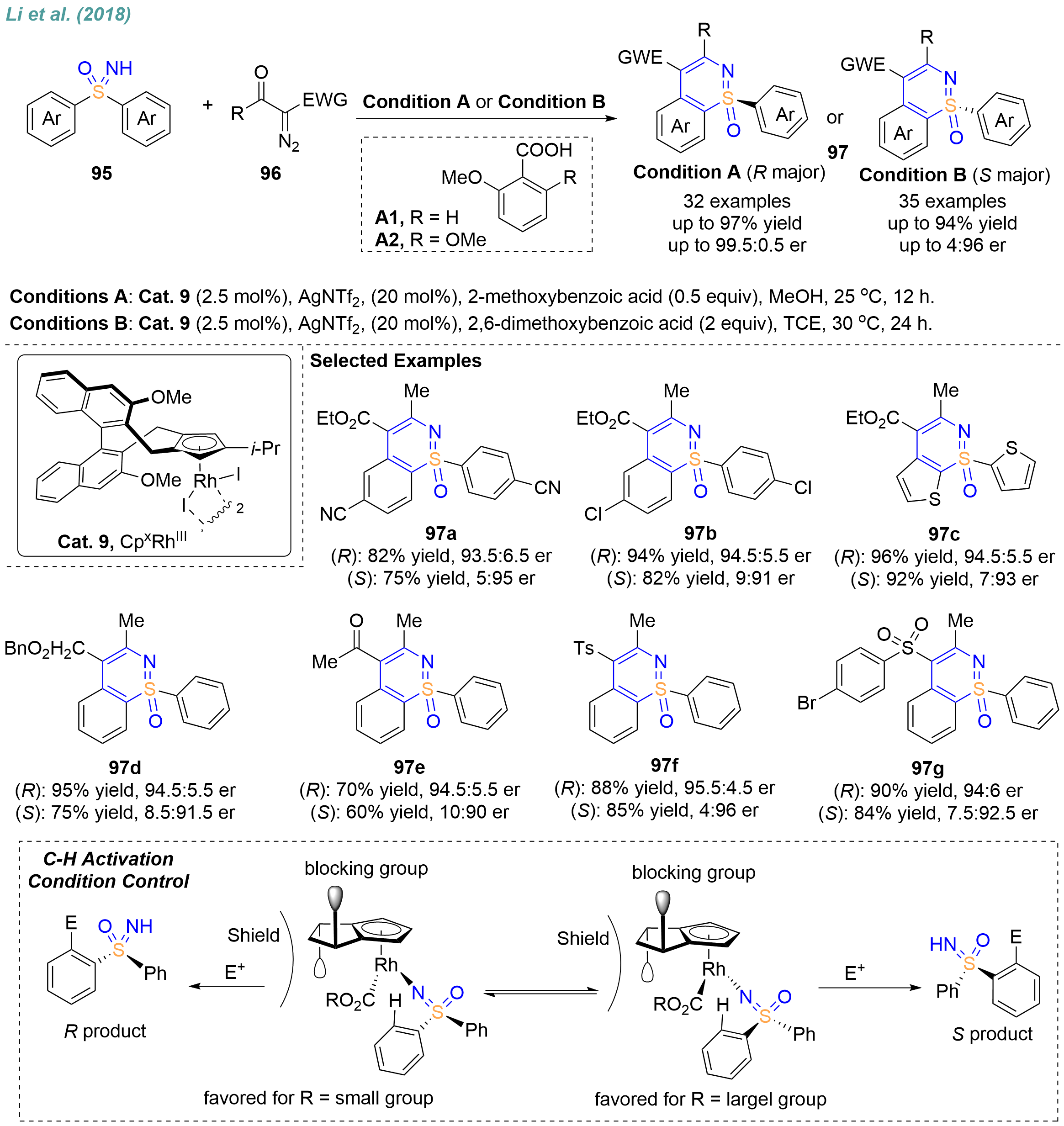
In the same year, Li and co-workers developed an enantiodivergent desymmetrization strategy featuring the rhodium(III)-catalyzed [4 + 2] annulation of sulfoximines (95) with diazo compounds (96)[62]. Notably, this protocol enables selective access to both target enantiomers (97) solely by tuning the achiral carboxylic acid additive (A1 or A2), eliminating the need to switch the chiral catalyst. Mechanistic studies indicate that the inversion of enantioselectivity arises from the distinct steric differentiation between the carboxylic acid and the sulfoximine substrate during the stereodetermining C-H activation step. Specifically, the use of the less hindered 2-methoxybenzoic acid favors the formation of the (R)-isomer, whereas the bulky 2,6-dimethoxybenzoic acid induces a reversal in selectivity to yield the (S)-isomer (Scheme 20).
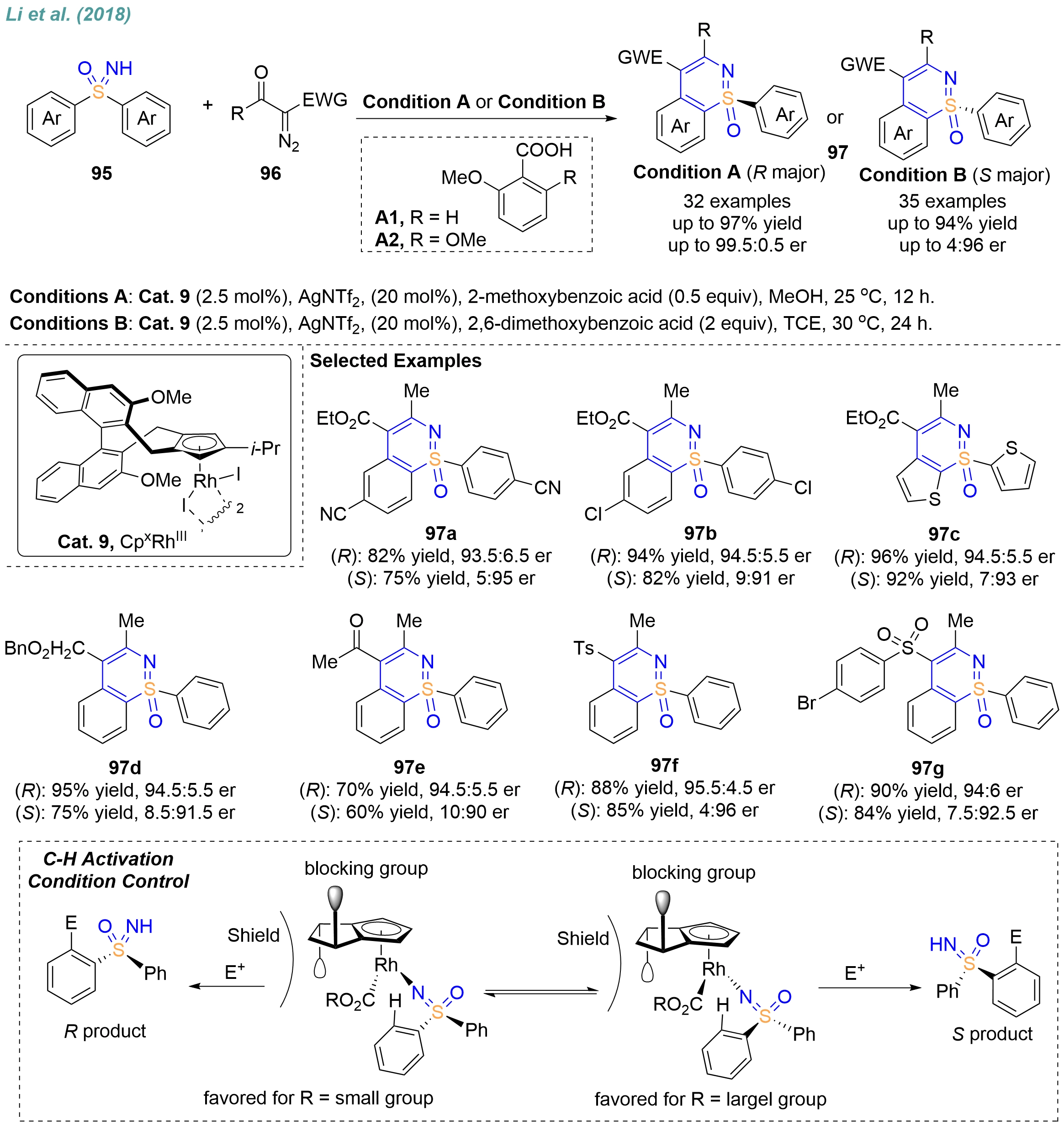
Scheme 20. Rh(III)-catalyzed oxidative [4 + 2] annulation C-H activation.
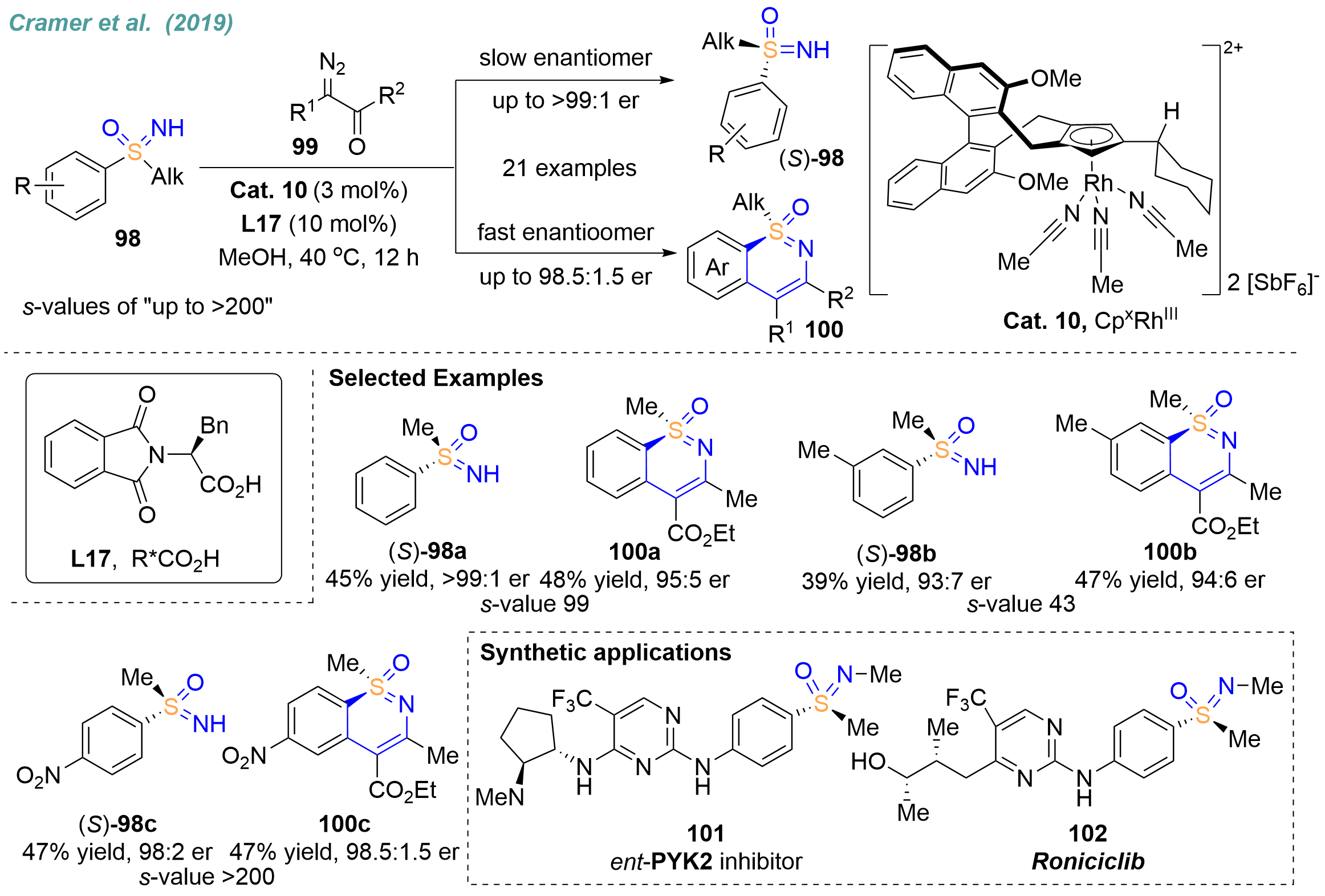
Subsequently, Brauns and Cramer reported an efficient kinetic resolution of sulfur-stereogenic sulfoximines (98) enabled by rhodium(III)-catalyzed C-H functionalization[63]. This strategy addresses a significant limitation of prior desymmetrization protocols restricted to symmetric diaryl substrates by facilitating access to enantioenriched acyclic aryl-alkyl sulfoximines. The transformation relies on the synergistic interplay between a chiral trisubstituted cyclopentadienyl Cp*RhIII complex (Cat.10) and a phthaloyl-protected phenylalanine (L17) additive. This catalytic system effects the discriminatory C-H activation of a single enantiomer from the racemic starting material, followed by annulation with diazo compounds (99). The protocol demonstrates exceptional efficiency, yielding both the resolved sulfoximines and the resulting 1,2-benzothiazine products (100) with high optical purity and selectivity factors (s-Values) exceeding 200 (Scheme 21).
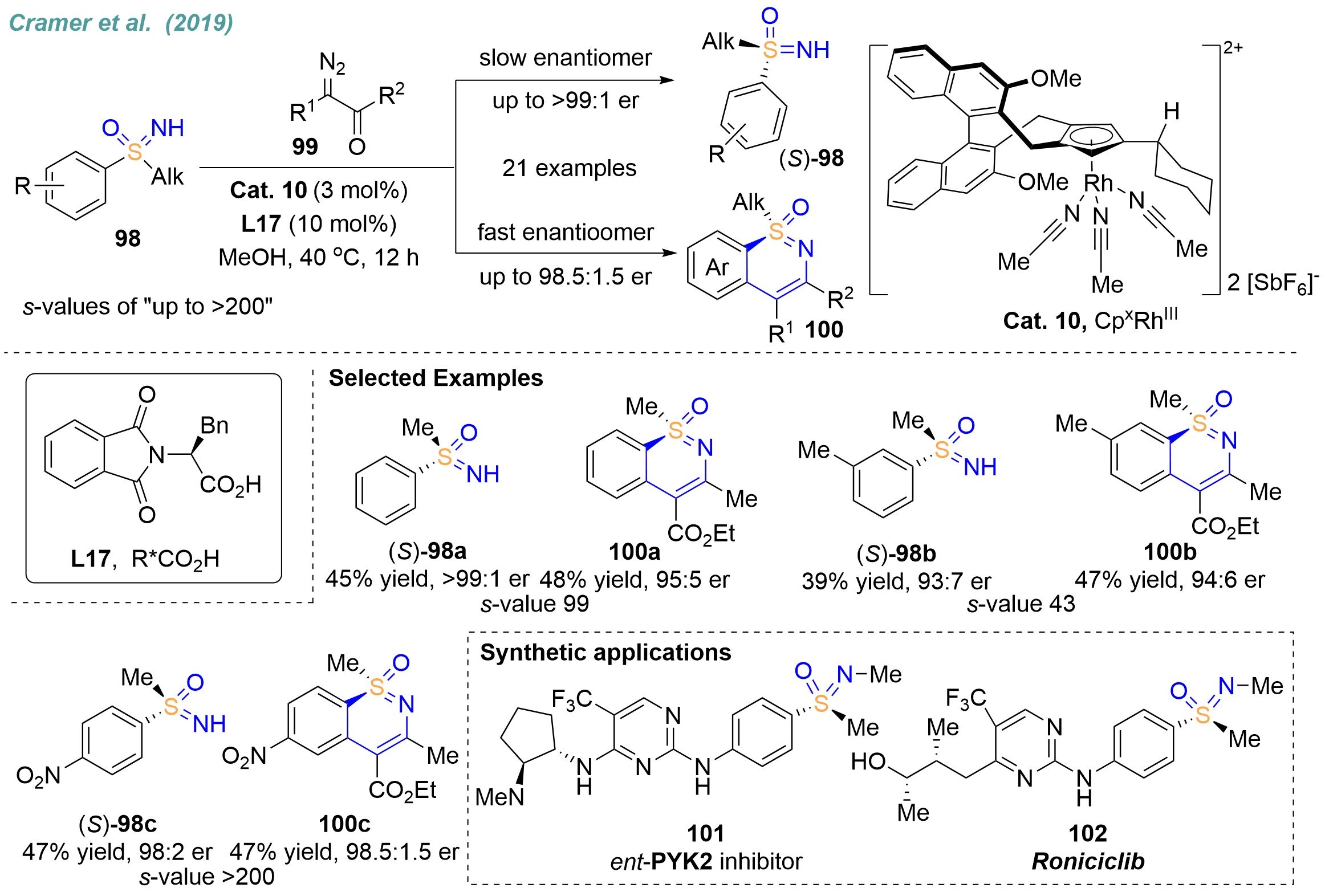
Scheme 21. Rh(III)-catalyzed kinetic resolution for the synthesis of acyclic aryl-alkyl sulfoximines.
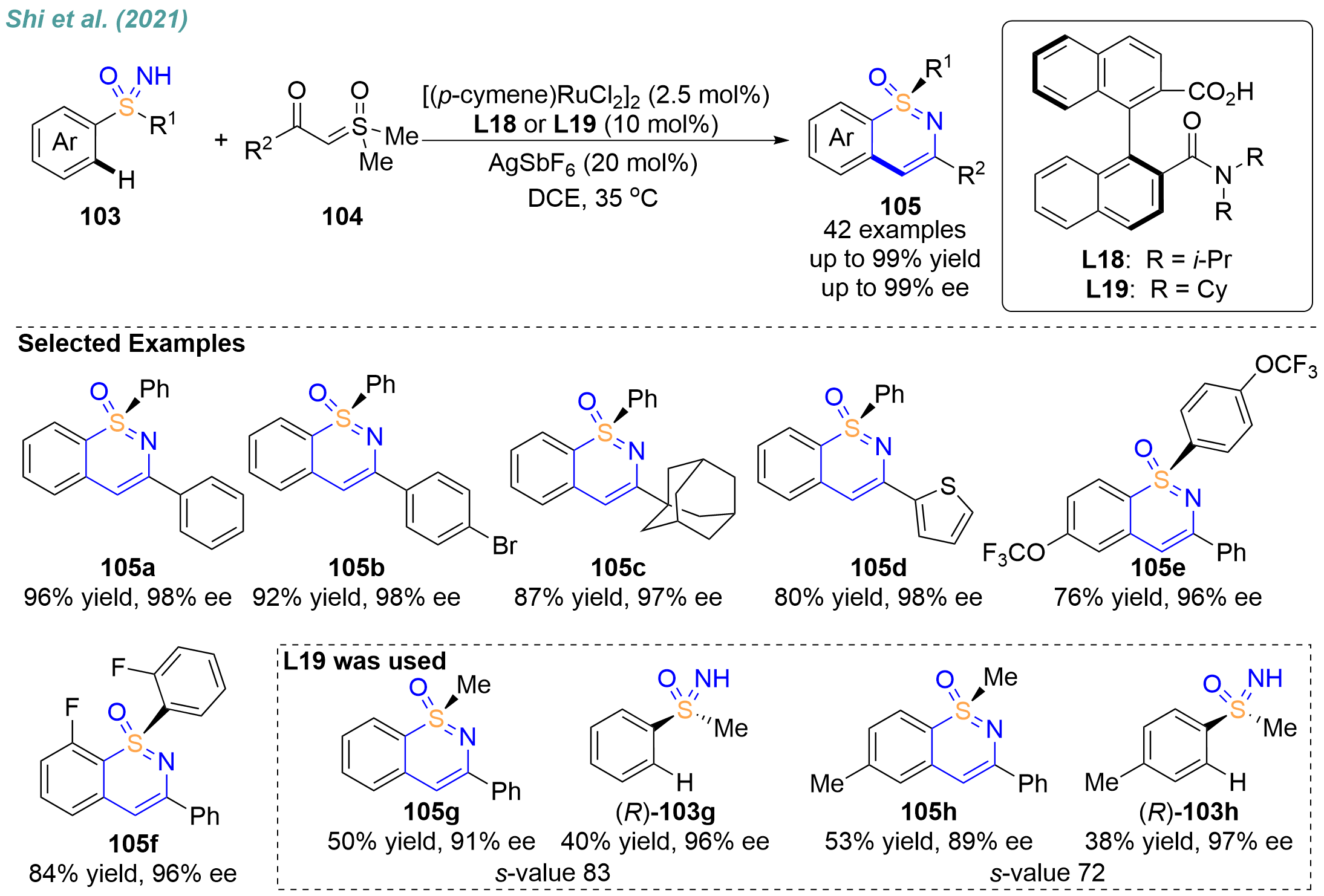
Addressing the long-standing challenge of stereocontrol in the enantiodetermining C-H cleavage step, Shi and co-workers disclosed in 2021 a ruthenium(II)-catalyzed enantioselective C-H functionalization strategy that provides efficient access to diverse S-stereogenic sulfoximines[64]. Central to this protocol is a novel class of modular chiral binaphthyl monocarboxylic acids (L18, L19), readily accessed from commercial 1,1′-binaphthyl-2,2′-dicarboxylic acid, which serve as robust external ligands to direct the asymmetric [4 + 2] annulation of free NH-sulfoximines (103) with α-carbonyl sulfoxonium ylides (104). The method’s broad utility is demonstrated through three complementary manifolds: desymmetrization, kinetic resolution (KR), and parallel kinetic resolution (PKR). Under optimized conditions utilizing amide-functionalized ligands such as L18, this protocol demonstrates broad substrate tolerance across varied sulfoximines and sulfoxonium ylides, affording a diverse array of 1,2-benzothiazines (105) in excellent yields with up to 99% ee. Furthermore, the kinetic resolution strategy efficiently provides enantiopure sulfoximines, which function as key precursors for chiral sulfoxides and bioactive targets such as human cytochrome P450C24 (CYP24) hydroxylase inhibitors (Scheme 22).
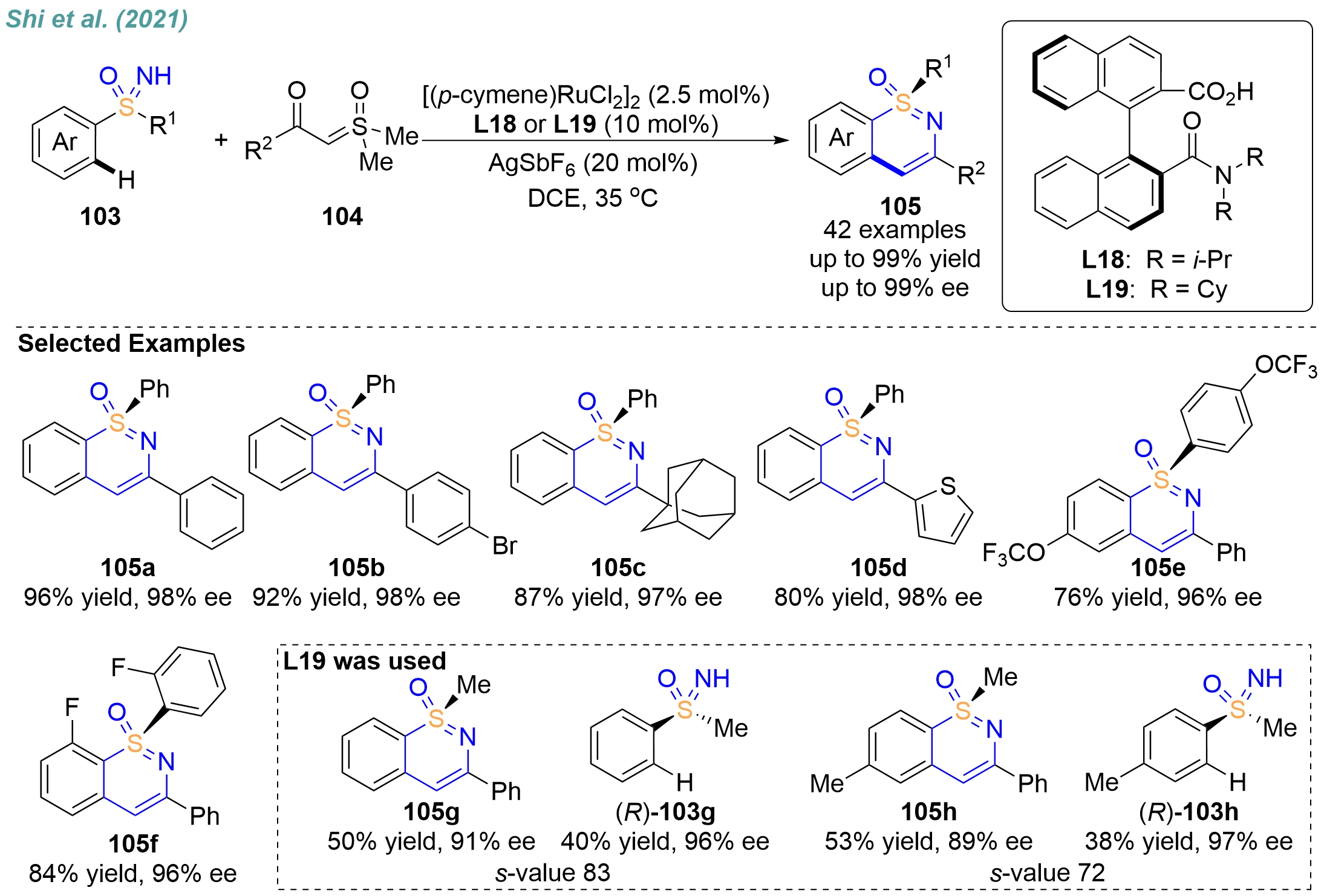
Scheme 22. Ru(II)-catalyzed enantioselective C-H functionalization enabled by chiral carboxylic acids.
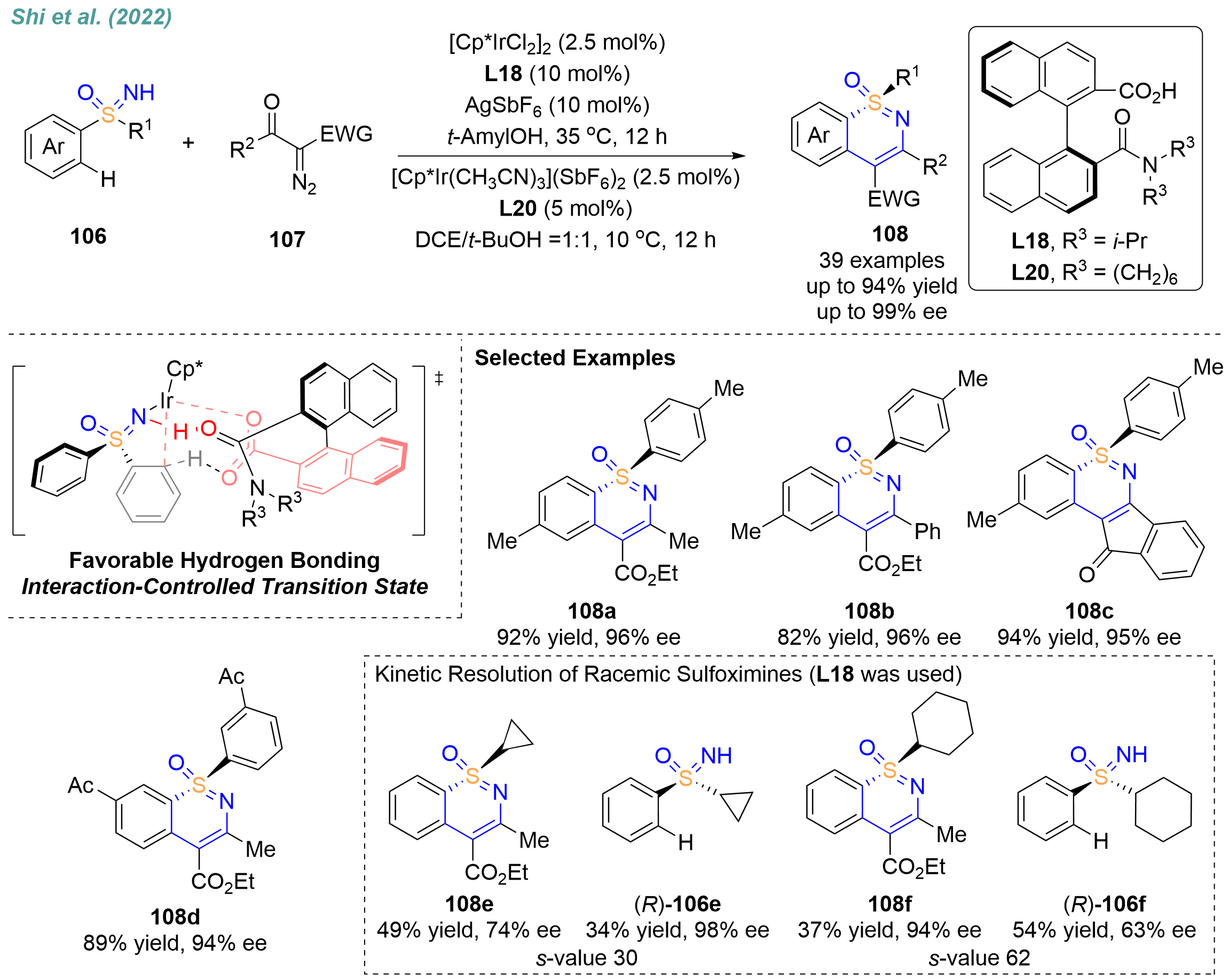
In the same year, Shi’s group reported an IrIII-catalyzed asymmetric C-H activation/annulation of sulfoximines with diazo compounds[65]. In contrast to conventional steric-repulsion-based stereocontrol strategies in transition-metal-catalyzed asymmetric C-H functionalization, this method leverages N-H···O hydrogen-bonding interactions as the key stereodetermining factor. The catalytic system employs an achiral Cp*IrIII precatalyst ([Cp*IrCl2]2) in combination with a chiral carboxylic acid ligand (L18 or L20), enabling the efficient construction of diverse S-stereogenic sulfoximines (108) through three complementary approaches: desymmetrization, KR, and PKR. The transformation delivers high yields (63-94%) and up to 99% ee across a broad substrate scope, encompassing sulfoximines bearing electron-donating or electron-withdrawing groups (106) as well as sterically demanding substituents such as ortho-substituted aryl. Additionally, various diazo compounds (107) featuring ester, aryl, cyclopropyl, or indandione moieties are compatible under the reaction conditions (Scheme 23).
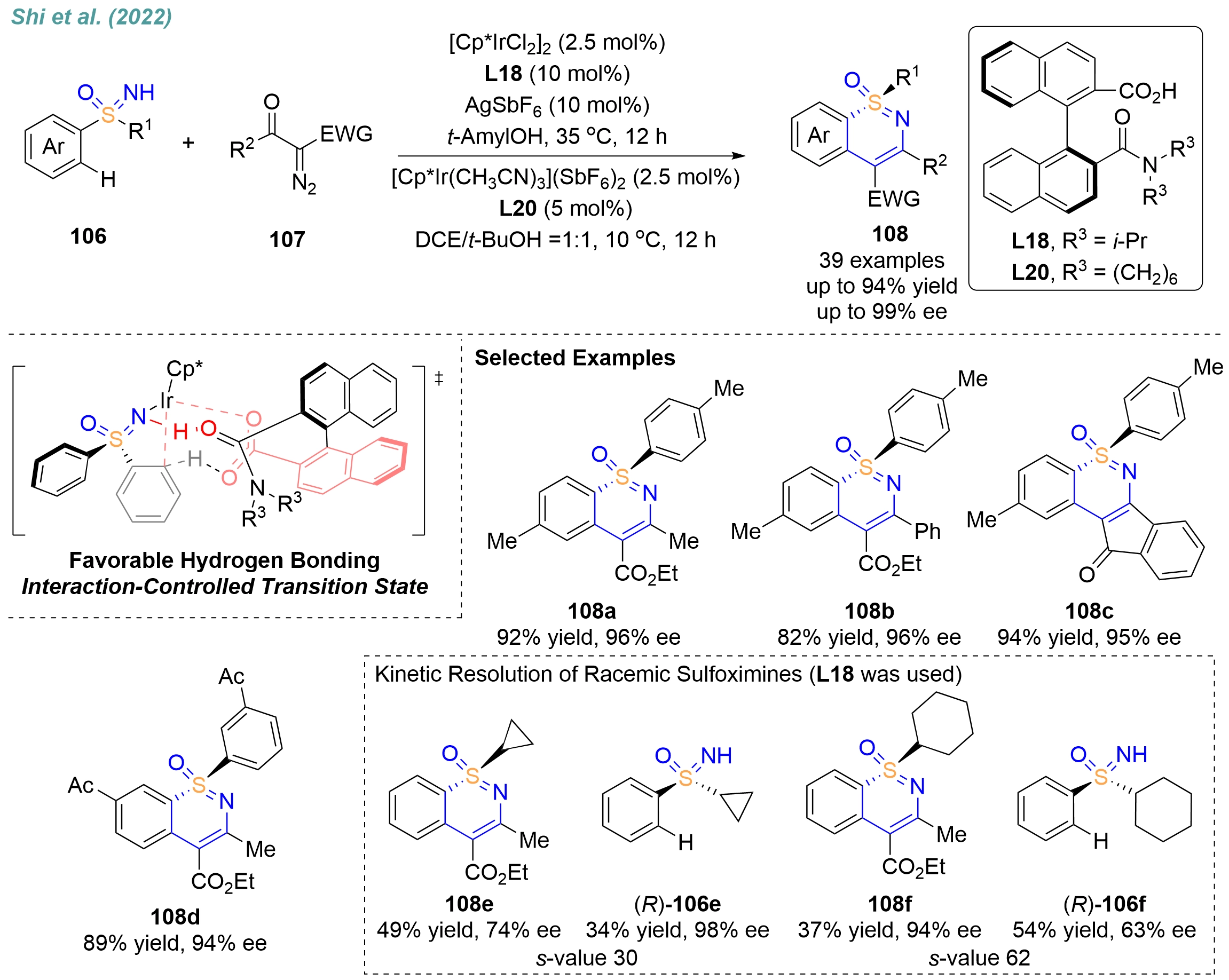
Scheme 23. Ir(III)-catalyzed asymmetric C-H annulation driven by hydrogen-bonding interactions.
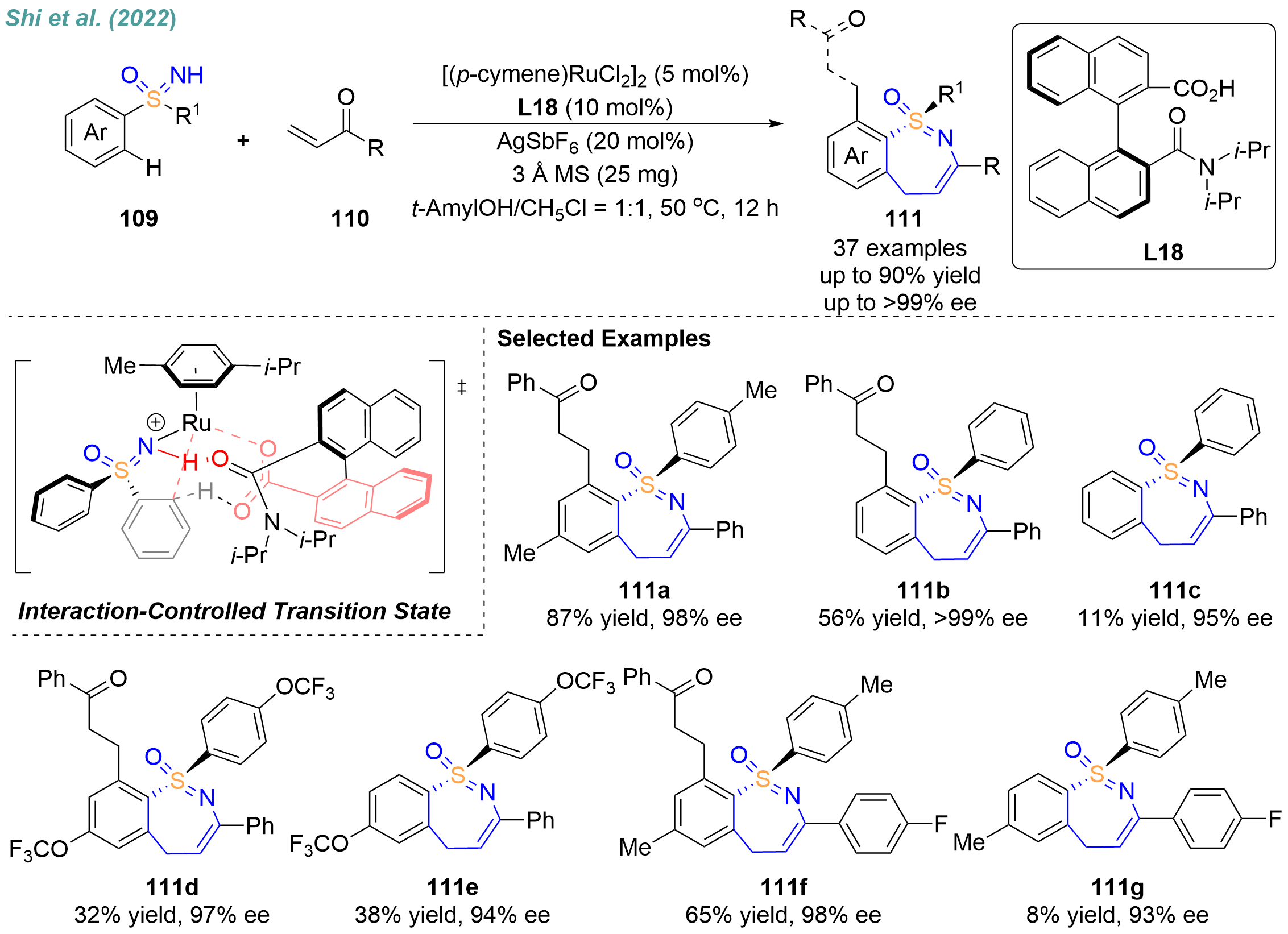
Subsequently, Shi’s group reported a chiral carboxylic acid (L18)-ligated Ru-catalyzed asymmetric [4 + 3] annulation of sulfoximines (109) with α,β-unsaturated ketones (110), overcoming the limitations of prior [4 + 2] annulation strategies in constructing sulfur-stereogenic benzo-fused heterocycles and significantly expanding the structural diversity of chiral sulfoximines[66]. This method enables the efficient synthesis of a broad range of sulfur-stereogenic 1,2-benzothiazepine 1-oxides (111) bearing diverse functional groups, delivering up to 90% yield and > 99% ee. Notably, the resulting benzothiazepine products can be further transformed into chiral N-benzoyl sulfoximines featuring a rare and highly configurationally stable C-S chiral axis through oxidative cleavage of the double bond. Mechanistic studies reveal that the high reactivity and enantioselectivity are governed by hydrogen-bonding interactions between the amide moiety of the (chiral carboxylic acid, CCA ligand) and the free N-H group of the sulfoximine substrate. Furthermore, excellent enantiocontrol in the dialkylation/cyclization products arises from two sequential reversible C-H activation steps, wherein the relative rates of alkylation and C-H activation processes jointly dictate the stereochemical outcome (Scheme 24).
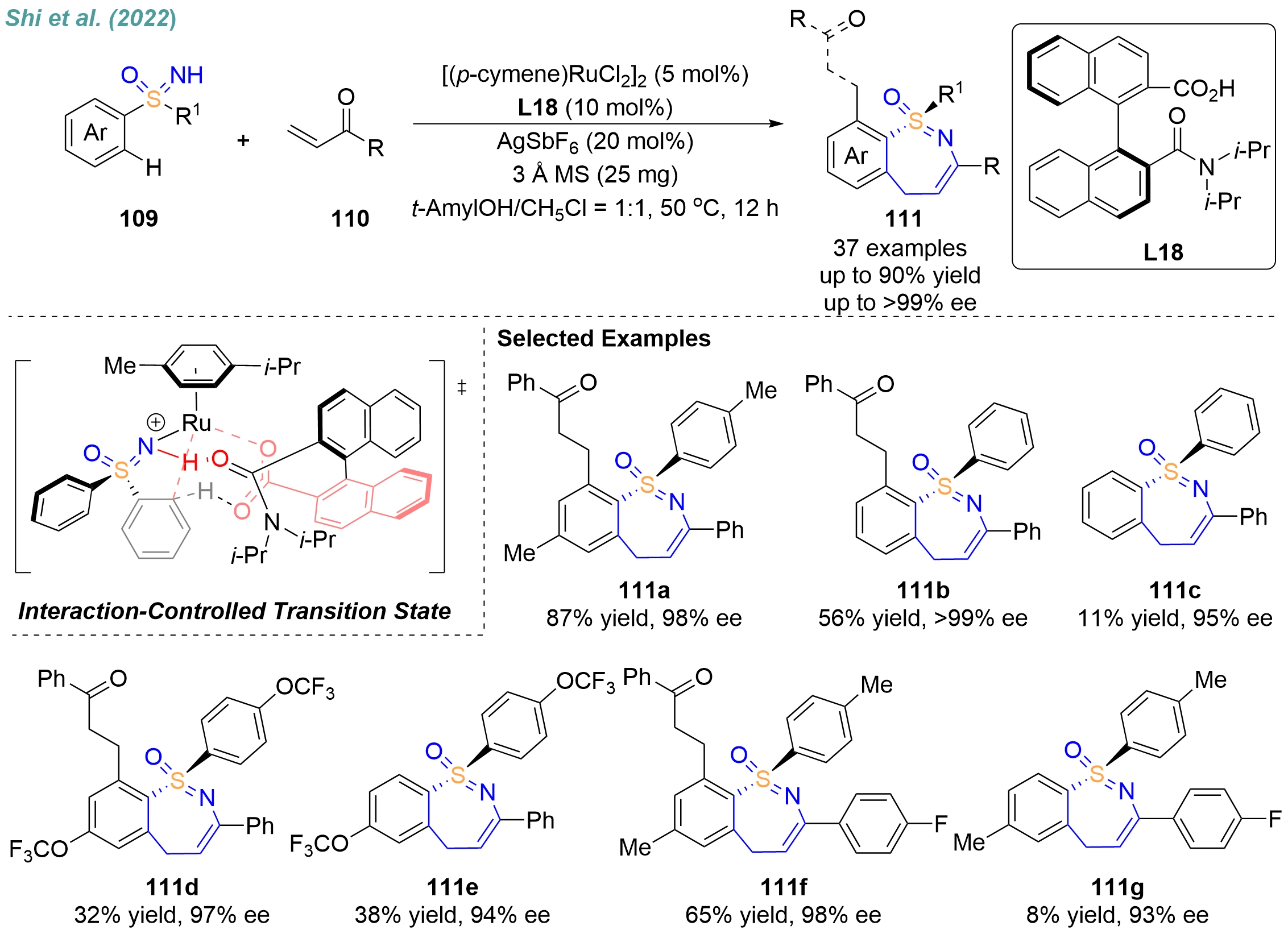
Scheme 24. Ru(II)-catalyzed [4 + 3] annulation for the construction of sulfur-stereogenic 1,2-benzothiazepines.
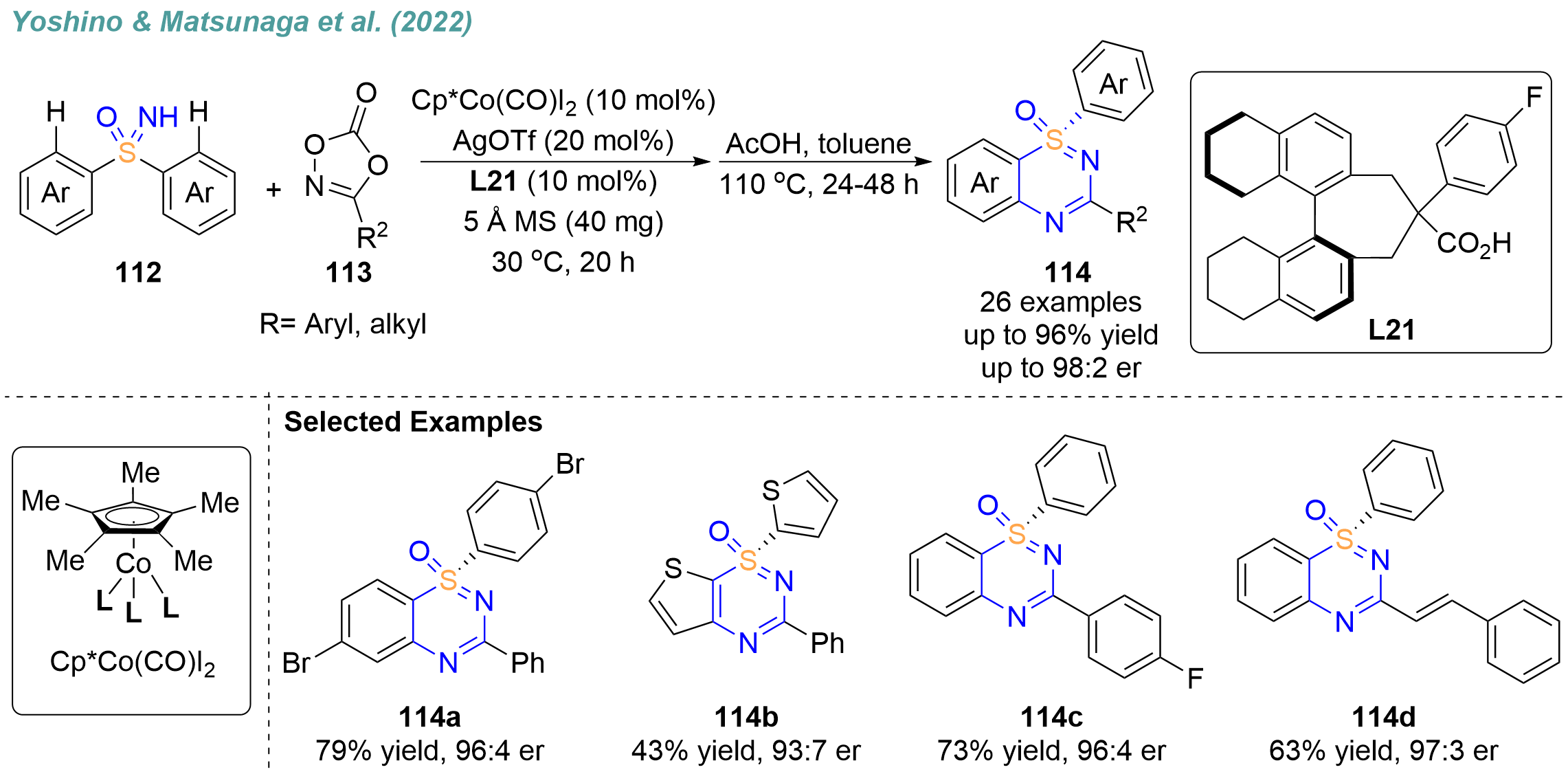
Conventional enantioselective C-H functionalization has predominantly relied on precious metal catalysts such as rhodium, iridium and ruthenium. However, Yoshino and Matsunaga reported a distinct cobalt-catalyzed protocol for sulfoximines. In 2022, their group described an enantioselective synthesis of benzothiadiazine-1-oxides (114) via Cp*Co/chiral carboxylic acid (L21)-catalyzed enantioselective C-H activation. This catalytic system enables the selective cleavage of enantiotopic C(sp2)-H bonds in diarylsulfoximines (112) and subsequent C-N bond formation with dioxazolones (113), affording benzothiadiazine-1-oxides with high enantioselectivities (91:9 to 97:3 er)[67]. Subsequently, AcOH-mediated cyclization at 110 °C was utilized to convert the initially formed products to the target heterocycles, delivering isolated yields of up to 75% on a preparative scale. Mechanistic studies, which encompass H/D exchange experiments, kinetic isotope effect (KIE = 3.9) measurements, and DFT calculations, support that the cleavage of the C-H bond serves as both the rate-determining and enantiodetermining step. The high enantioselectivity is attributed to weak C-H-π interactions between the fluorophenyl group of the chiral carboxylic acid ligand and the aryl moiety of the sulfoximine (Scheme 25).
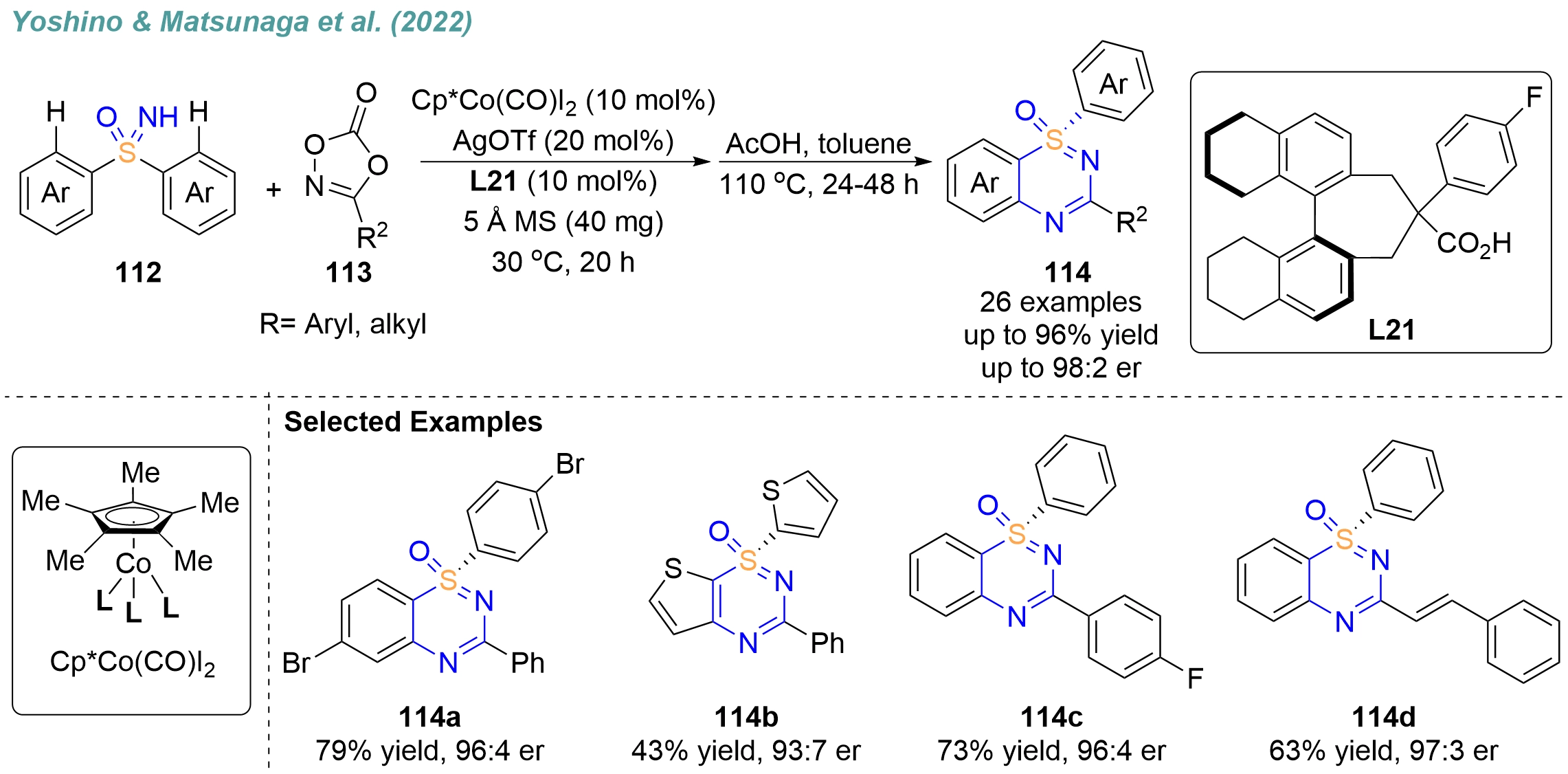
Scheme 25. Cp*Co(III)-catalyzed enantioselective synthesis of benzothiadiazine-1-oxides.
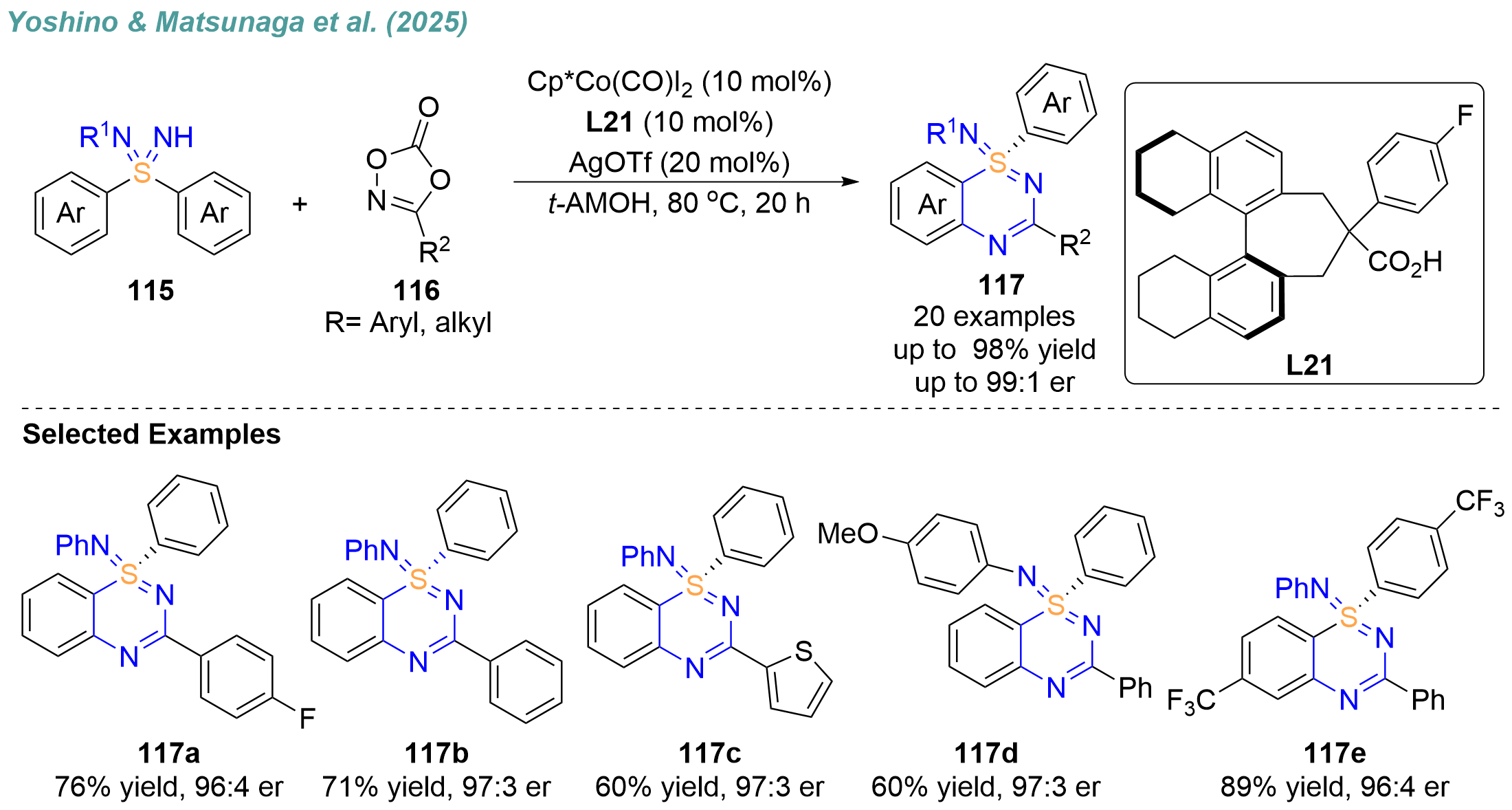
In 2025, Yoshino, Matsunaga, and co-workers reported an enantioselective C-H amidation and cyclization strategy that provides access to 1,2,4-benzothiadiazine-1-imine (117) scaffolds[68]. This transformation utilizes an earth-abundant cobalt(III) catalyst, specifically Cp*Co(CO)I2, in combination with a pseudo C2-symmetric chiral carboxylic acid (L21) featuring a partially reduced H8-binaphthyl backbone. The optimized protocol demonstrates a broad substrate scope, tolerating a diverse array of dioxazolones (116), including those with para/meta-substituted aromatic, extended heteroaryl, and alkenyl groups, as well as sulfondiimines bearing ortho-halogenated aryl substituents (115). The reaction delivers the target heterocycles in high yields with excellent enantioselectivity (up to 99:1 er). Mechanistic insights provided by DFT calculations indicate that the high enantioselectivity is governed by the chiral carboxylate ligand, specifically through favorable non-covalent interactions (NCI) such as π-π and C-H/π interactions in the preferred transition state TSmajor, which are absent or less favorable in the minor pathway (Scheme 26).
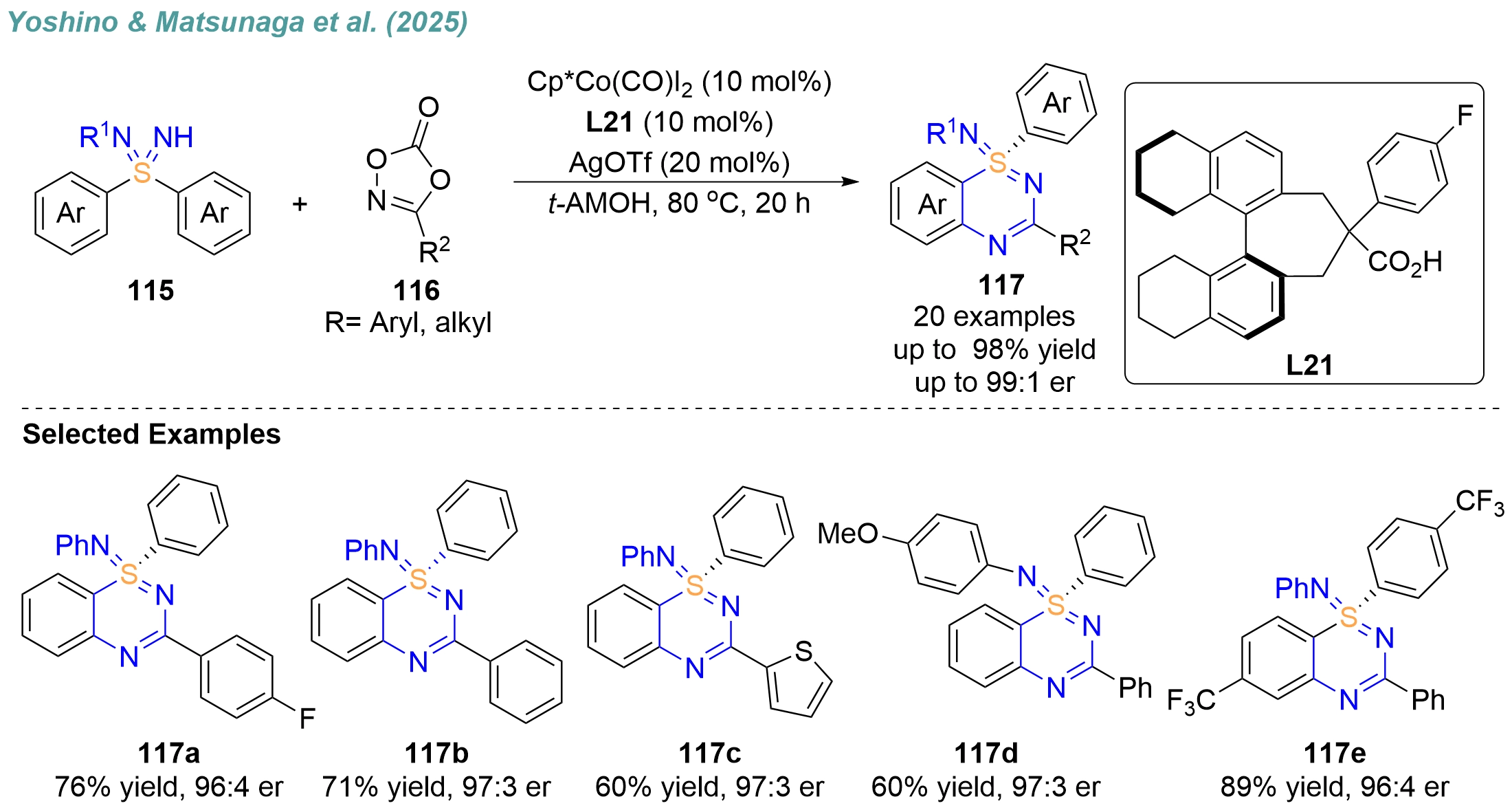
Scheme 26. Co(III)-catalyzed C-H amidation for the synthesis of chiral 1,2,4-benzothiadiazine-1-imines.
3.1.2 Desymmetrization of cyclic sulfonimidamides
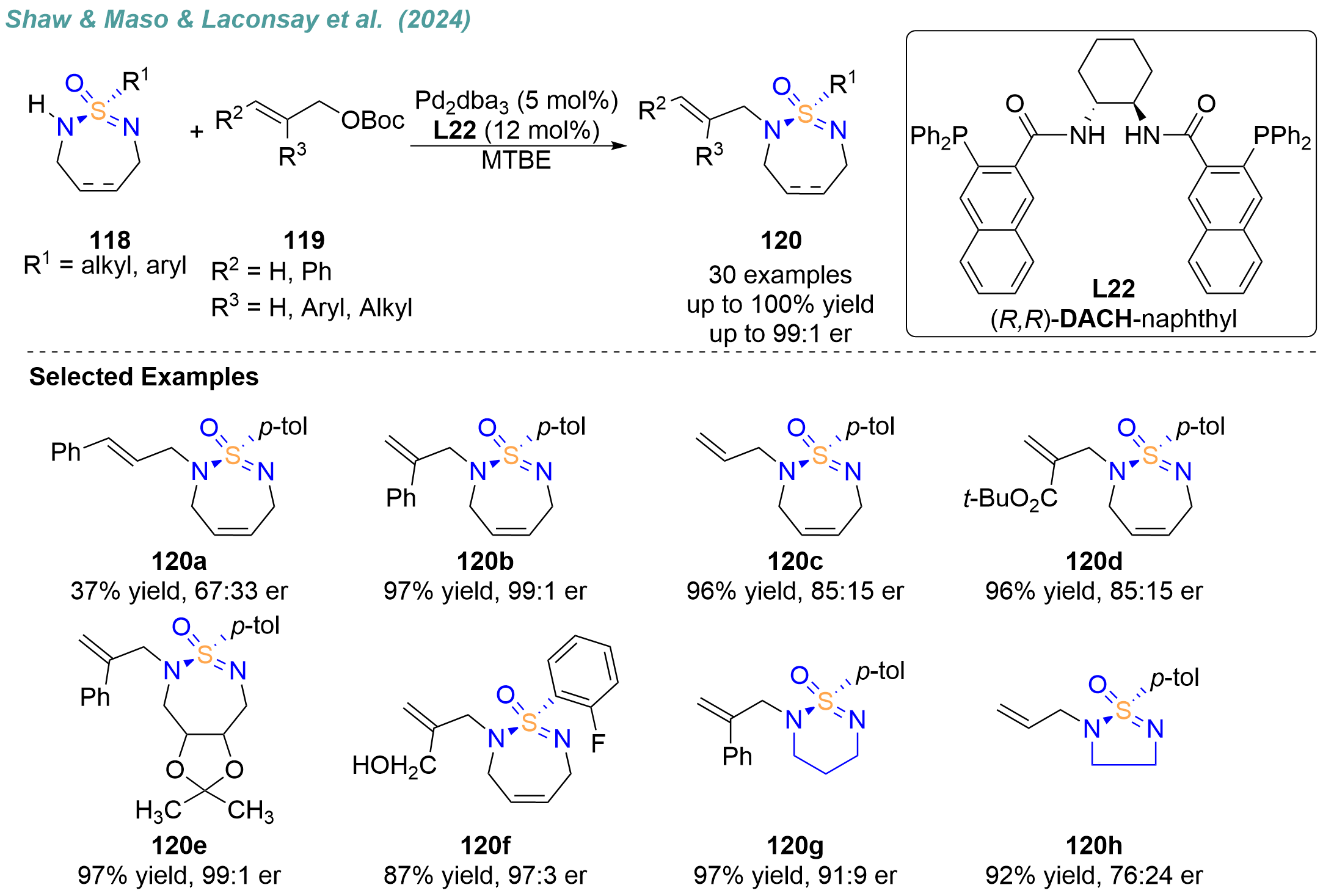
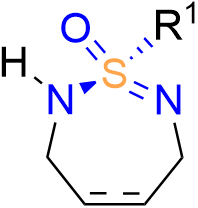
In contrast to the ruthenium-catalyzed [4 + 3] annulation strategies employed for the construction of sulfur-stereogenic benzofused heterocycles, transition metal-catalyzed desymmetrization constitutes a robust and complementary paradigm for accessing enantioenriched sulfur-containing scaffolds. By exploiting the desymmetrization of enantiotopic nitrogens within the cyclic framework, this strategy effectively addresses the paucity of enantioselective methods for synthesizing cyclic sulfonimidamides (SIAs), a privileged structural motif distinct from benzothiazepine derivatives. In 2024, Shaw, Maso and Laconsay reported the first transition metal-catalyzed desymmetrization of cyclic SIAs via asymmetric allylation[69]. By leveraging high-throughput experimentation (HTE) to evaluate catalyst parameters, the team identified a system utilizing Pd2(dba)3 and the commercially available ligand (R,R)-DACH-naphthyl (L22) as optimal. This protocol exhibits a broad substrate scope, tolerating a variety of saturated and unsaturated heterocyclics (118), with 7-membered rings displaying the highest levels of enantioselectivity. Furthermore, the methodology demonstrates high selectivity for 2-substituted allyl electrophiles (119), delivering enantioenriched cyclic SIA products in excellent yields with enantiomeric ratios up to > 99:1. Computational studies using DFT elucidate that the observed enantioselectivity arises from favorable hydrogen-bonding interactions between the SIA substrate (120) and the amide proton of the ligand’s carbonyl group, alongside reduced steric hindrance in the favored transition state (Scheme 27).
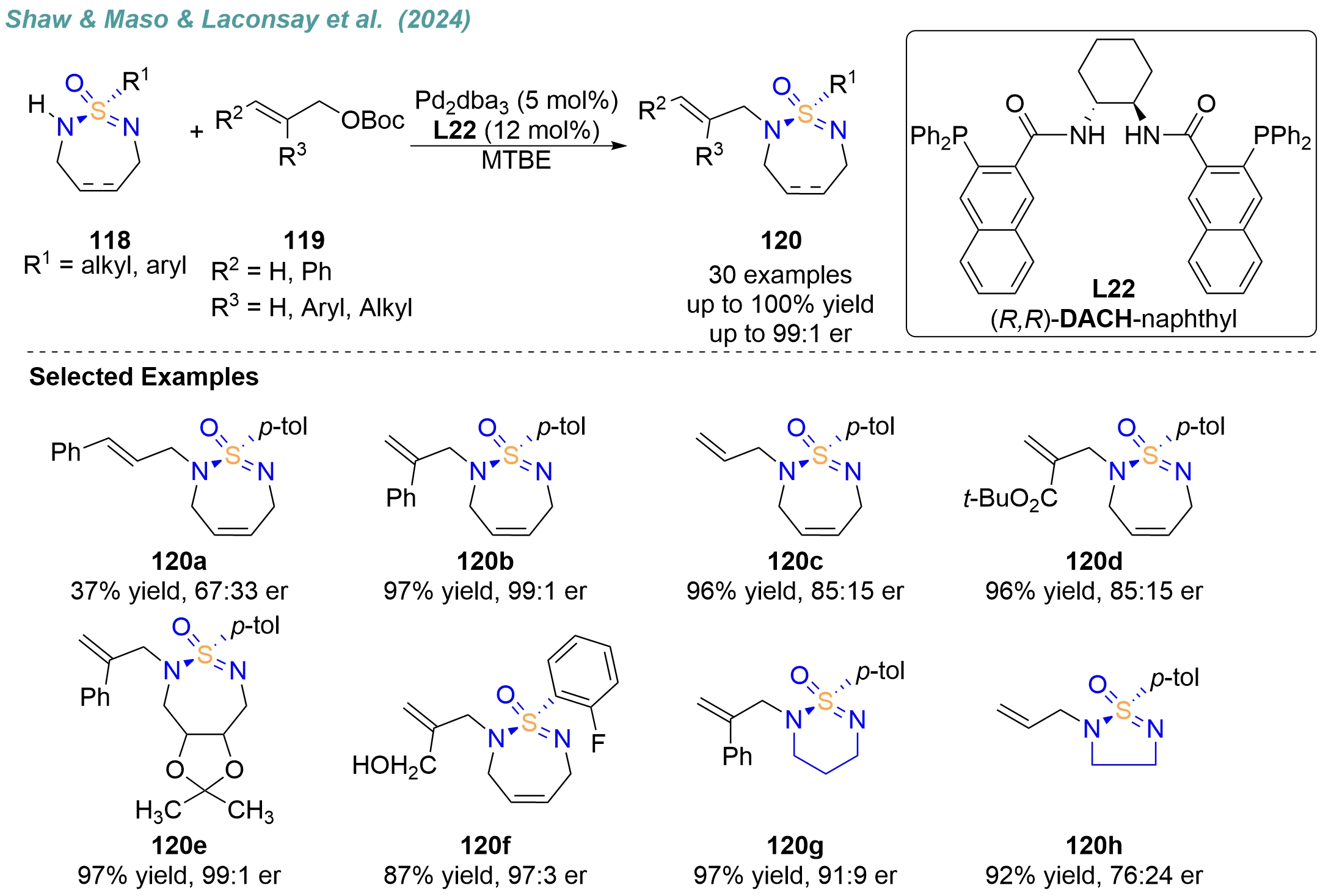
Scheme 27. Pd-catalyzed desymmetrization of cyclic sulfonimidamides via asymmetric allylation.
3.1.3 Desymmetrization and intramolecular C-H arylation of sulfoximines
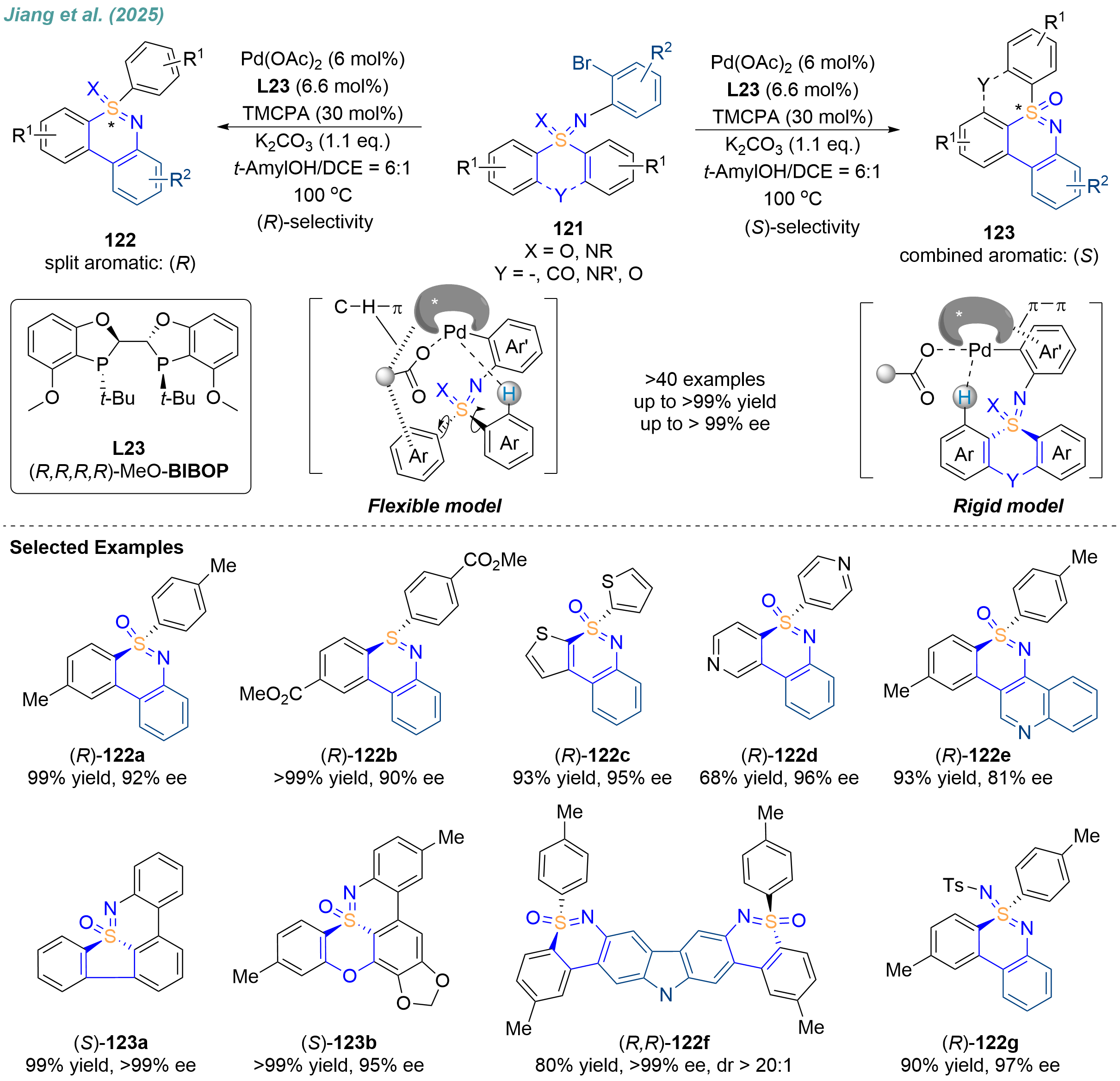
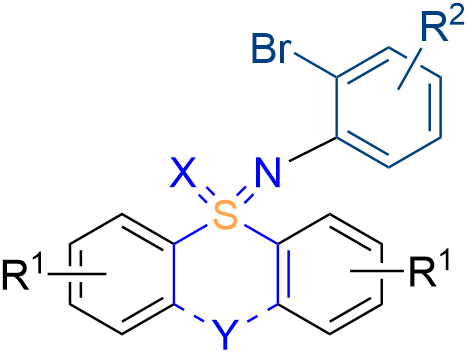
Despite significant advances in enantioselective synthesis of sulfur-stereogenic compounds, the construction of chiral polyaromatic heterocycles embedded with an S(VI)=N unit remains a formidable challenge due to intricate enantioselective discrimination and the embedded linkage of heteroatoms in polyaromatic systems. In 2025, Jiang and Wang’s group reported an enantioselective palladium-catalyzed desymmetrization of diaryl sulfoximines and sulfondiimines (121) via C-H activation[70]. This protocol provides efficient access to chiral S(VI)=N-embedded polyaromatic heterocycles (122, 123), delivering products in high yields and excellent enantioselectivities (up to > 99% ee). The catalytic system consists of Pd(OAc)2 as the catalyst, a chiral bidentate (R,R,R,R)-MeO-BIBOP ligand (L23), and 2,2,3,3-tetramethylcyclopropylcarboxylic acid (TMCPA) as a pivotal additive. It features a broad substrate scope, tolerating electron-rich/electron-poor substituted, heteroaryl-containing (e.g., thienyl, pyridinyl), and N-protected (e.g., Ns, Cs, Boc) sulfoximines/sulfondiimines, as well as acyclic and cyclic aromatic substrates. For acyclic aromatic substrates, (R)-configured products are formed, driven by C-H···π interactions among TMCPA, the ligand, and S-aryl moieties. In contrast, cyclic aromatic substrates afford the opposite (S)-configuration due to restricted C-S bond rotation. The resulting heterocycles exhibit promising photophysical and chiroptical properties, along with notable synthetic utility. These products also enable parallel kinetic resolution of racemic diaryl sulfoximines/sulfondiimines and can be further derivatized into spirocyclic or extended π-conjugated frameworks via Friedel-Crafts reactions or Suzuki coupling. The DFT calculations and kinetic isotope effect (KIE) studies (kH/kD = 2.7) confirm that the CMD process acts as both the rate-determining and enantiodetermining step (Scheme 28).
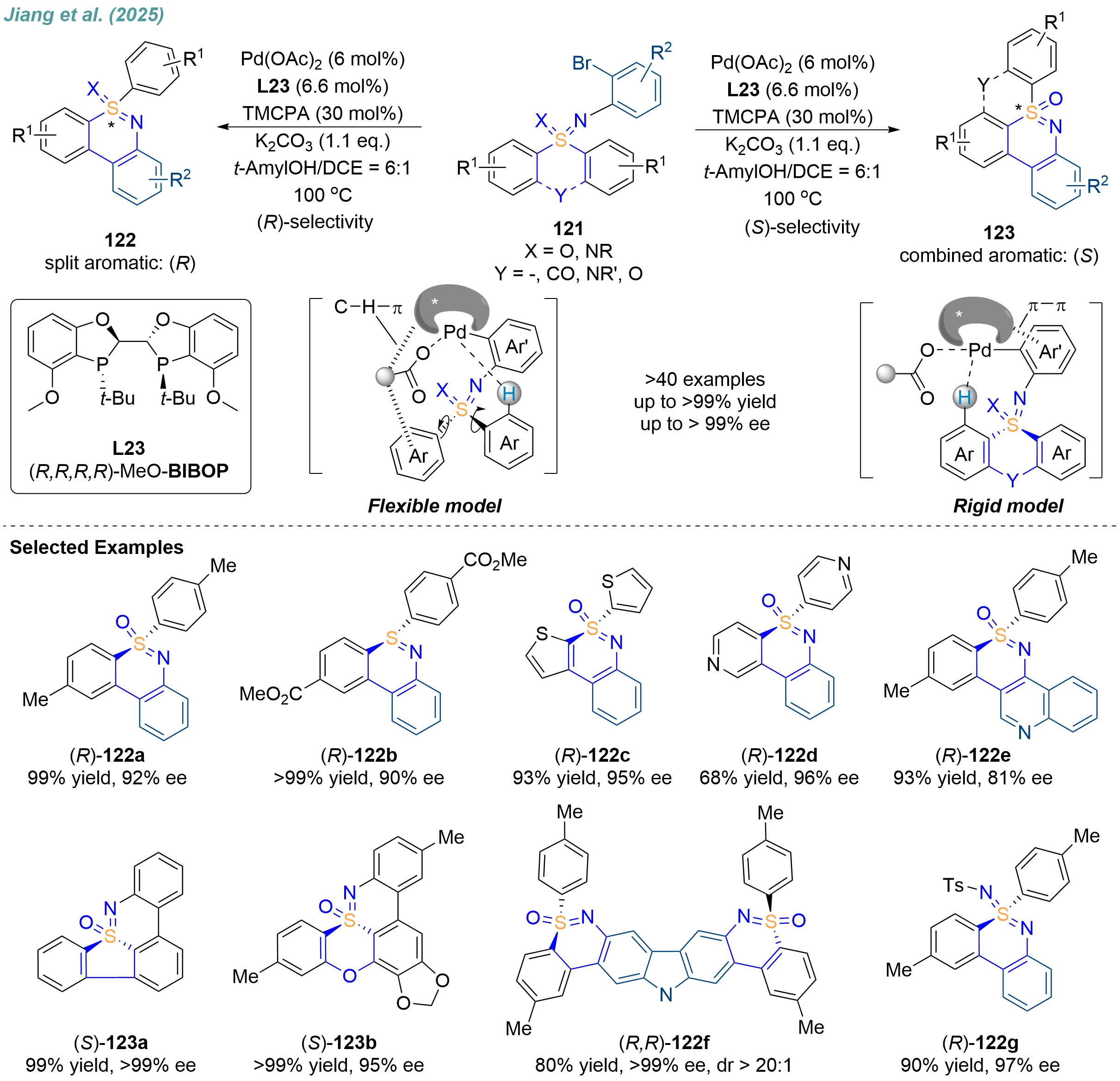
Scheme 28. Pd-catalyzed desymmetrization for the assembly of S(VI)=N-embedded polyaromatic heterocycles.
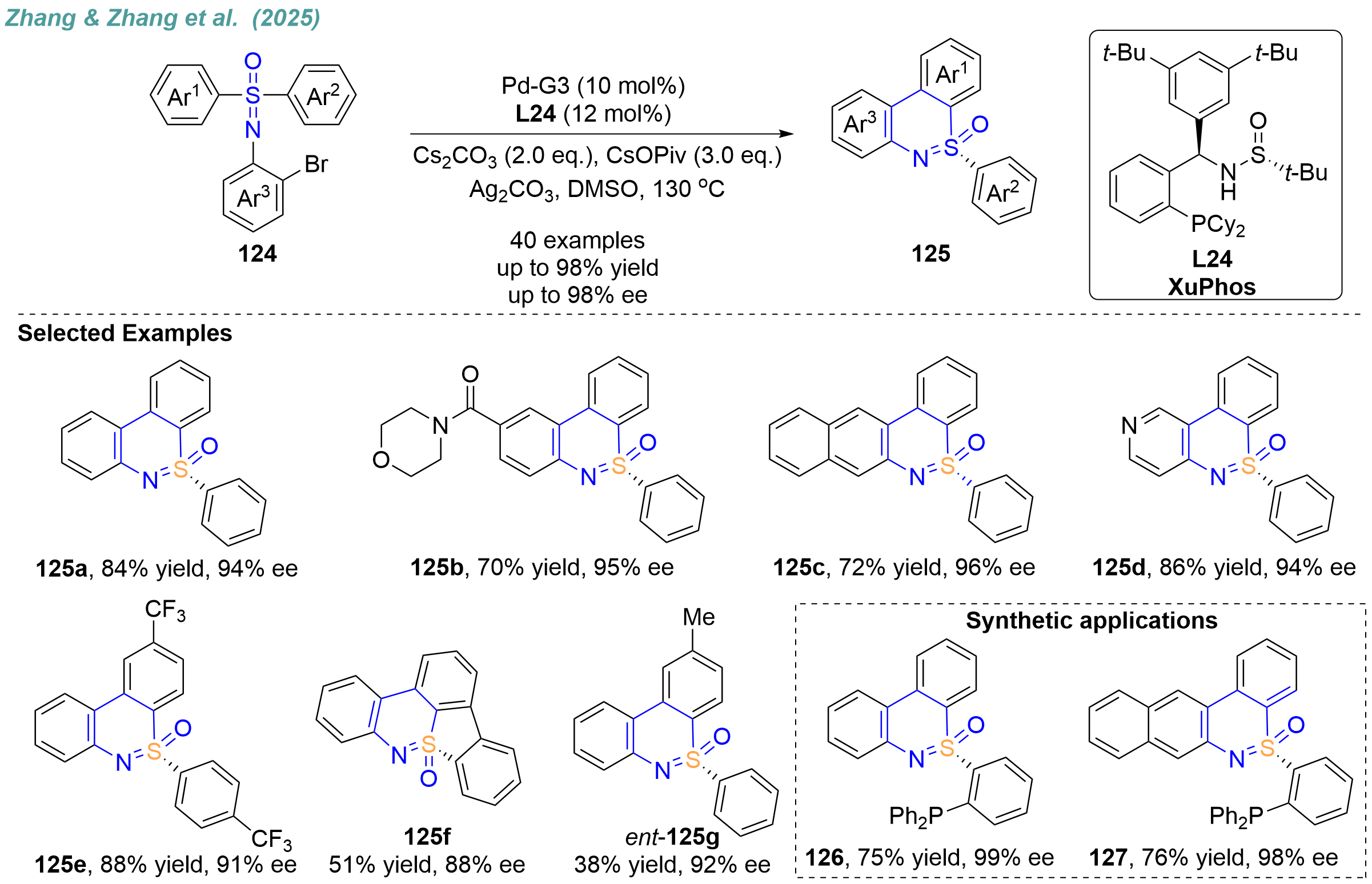
While the work of Jiang and Wang demonstrated the efficacy of chiral acid-assisted palladium catalysis in constructing sulfur-stereogenic centers, the development of alternative catalytic manifolds utilizing heterobimetallic cooperativity offers a distinct and complementary approach to addressing the challenges of S(VI) stereocontrol. In a concurrent study, Zhang and Zhang established a Pd/Ag dual-catalyzed enantioselective intramolecular C-H arylation strategy for the efficient synthesis of sulfur-stereogenic sulfoximines (125)[71]. This protocol employs a catalytic system comprising Pd-G3 as the precatalyst, the chiral monophosphine ligand Xu-Phos (L24), and Ag2CO3 as a critical additive. The methodology exhibits broad substrate tolerance, accommodating diverse functional groups, including electron-donating and -withdrawing substituents, halogens, and heterocycles, as well as complex natural product derivatives such as those derived from menthol, carbohydrates, and tigogenin. Furthermore, the system effectively facilitates the parallel kinetic resolution of racemic sulfoximines (124), delivering products with high yields and excellent enantioselectivities (up to 98% ee), which can be further enriched to enantiopurity via gram-scale recrystallization. The DFT calculations reveal that Ag2CO3 promotes the formation of Pd-Ag heterodimeric transition states during the enantiodetermining C-H activation step, which reduces the Gibbs free energy and enlarges the activation barrier difference between the two enantiomers (4.7 kcal/mol), thereby ensuring high stereocontrol. Mechanistic studies, including KIE experiments, suggest that reductive elimination is the turnover-limiting step. Notably, the resulting chiral sulfoximines can be efficiently converted into novel S(VI)-stereogenic monophosphine ligands (designated as YW-Phos (126, 127)), which demonstrate promising catalytic performance in palladium-catalyzed asymmetric allylic alkylation (up to 93% yield and 90% ee) and gold(I)-catalyzed asymmetric cycloaddition reactions (Scheme 29).
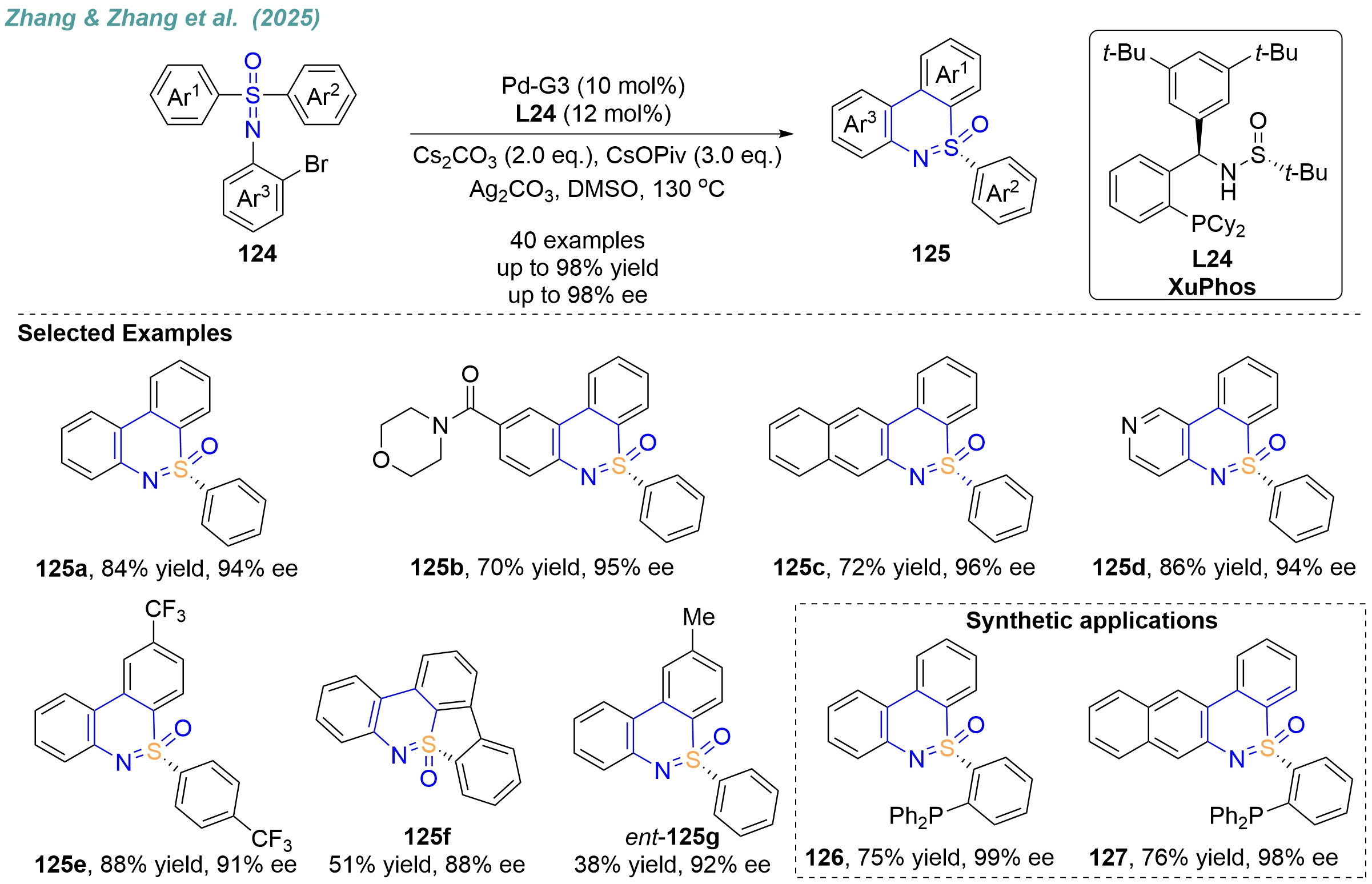
Scheme 29. Pd/Ag dual-catalyzed enantioselective intramolecular C-H arylation.
3.2 Catalytic asymmetric synthesis of acyclic chiral sulfoximines
While transition-metal-catalyzed C-H activation strategies have achieved significant success in the construction of chiral cyclic sulfoximines, the direct enantioselective assembly of their acyclic, free N-H analogues has remained a formidable challenge, largely due to the reliance on N-protecting groups in established methodologies. Addressing this synthetic gap requires a distinct catalytic manifold capable of precise stereodifferentiation in acyclic systems without pre-functionalization.
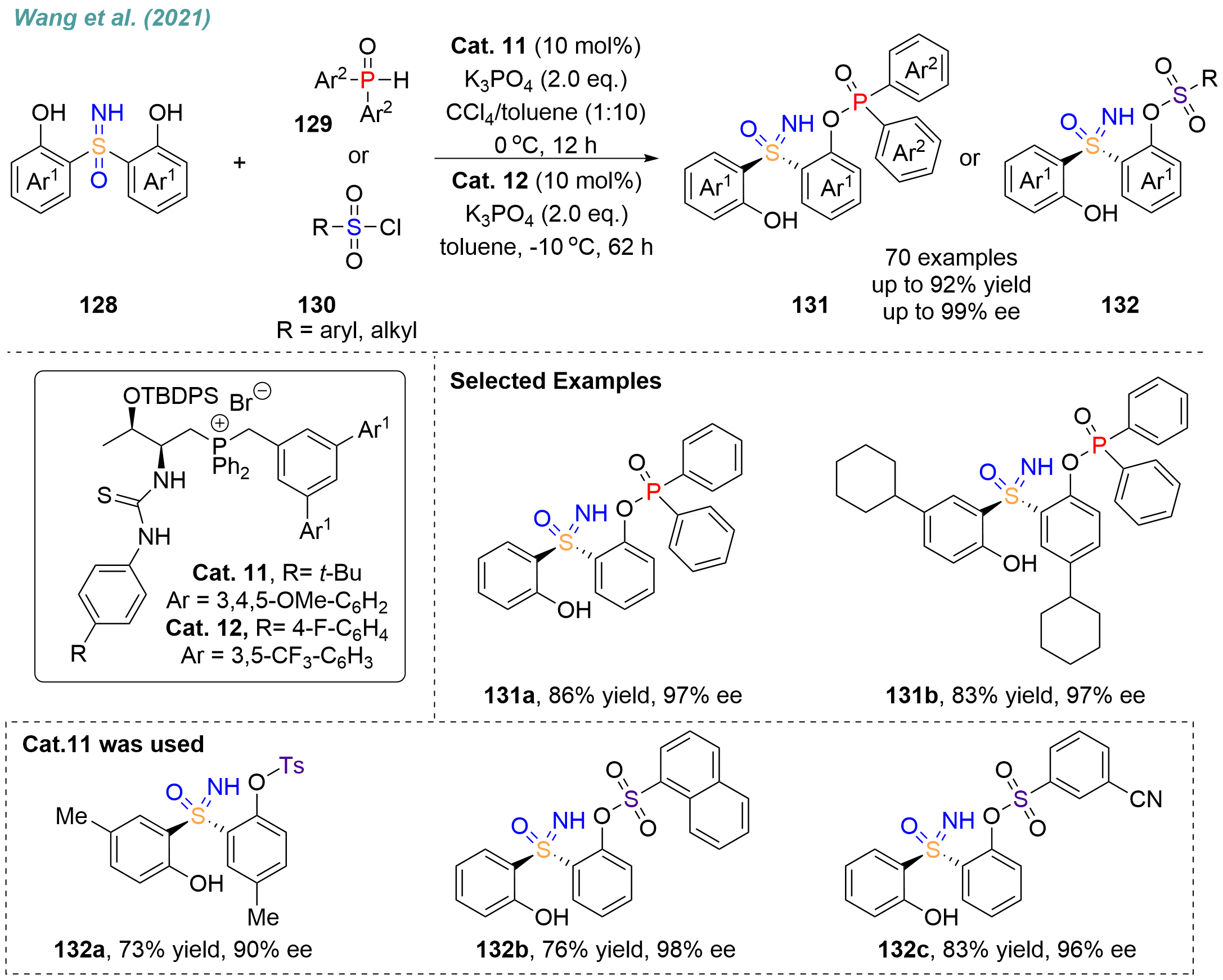
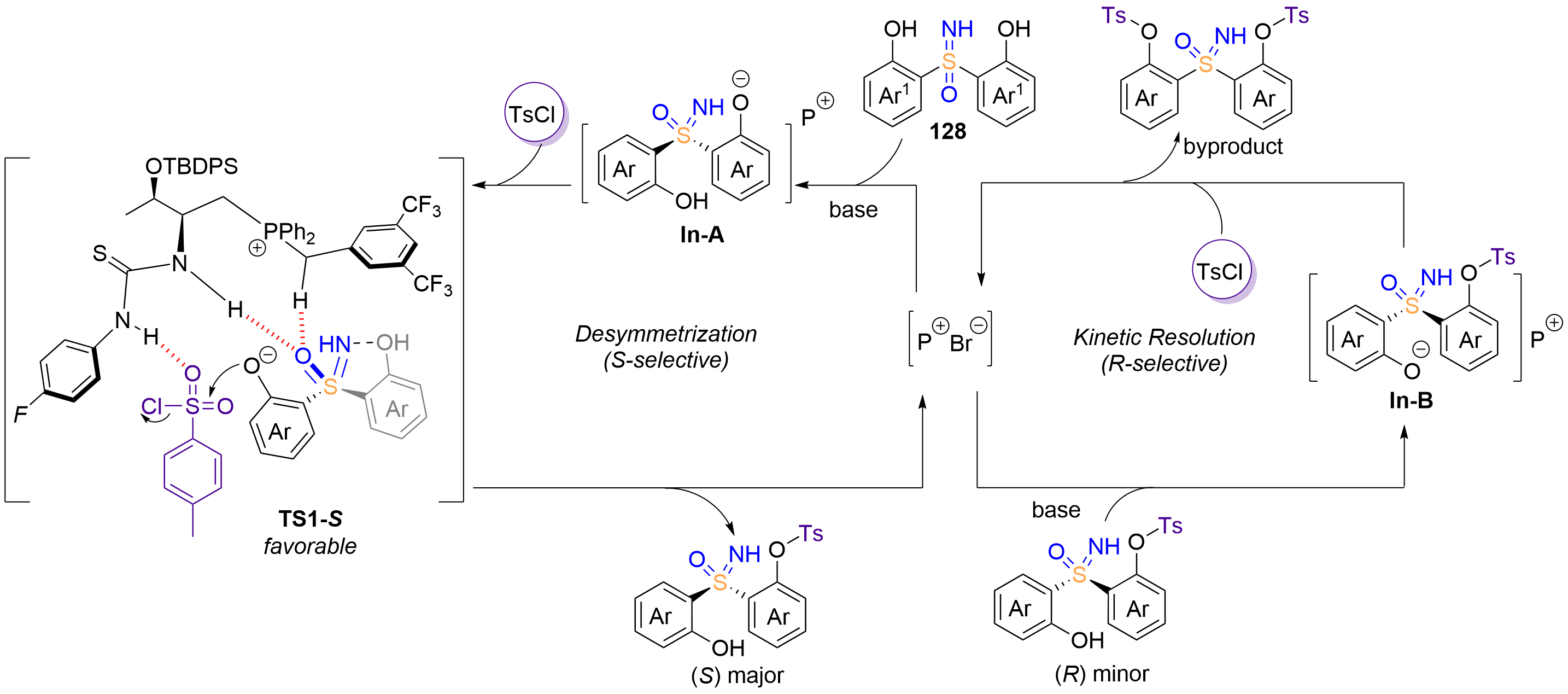
In 2021, Wang et al. established an efficient protocol for accessing S-stereogenic free N-H sulfoximines via the bifunctional phosphonium salt-catalyzed desymmetrization of bisphenols[72]. This approach operates through two complementary pathways: a desymmetrizing Atherton-Todd (A-T) reaction and an extended nucleophilic acyl substitution-type (NAS-type) reaction. By employing tunable thiourea-containing phosphonium salts (Cat. 11, 12), the strategy effectively resolves the intricate chemoselectivity and stereoselectivity issues inherent in differentiating enantiotopic aryl rings and competitive O-H versus N-H sites. Mechanistic investigations suggest that the reaction proceeds via a synergistic desymmetrization/KR pathway, wherein hydrogen-bonding and ion-pair interactions are critical for achieving stereocontrol. Notably, phosphinic chlorides were identified as the active species in the A-T process, and a Horeau amplification effect was observed to further enhance enantiopurity. The protocol demonstrates exceptional substrate generality (70 examples), accommodating a diverse array of free N-H bis(2-hydroxyphenyl) sulfoximines (128) and electrophilic partners (phosphine oxides (129) and sulfonyl chlorides (130)), delivering products (131, 132) with high yields (up to 92%) and excellent enantioselectivities (up to > 99% ee). The synthetic utility of this methodology is further substantiated by gram-scale preparations, the enantiodivergent synthesis of stereoisomers, and facile derivatization into other valuable S-stereogenic scaffolds (Scheme 30).
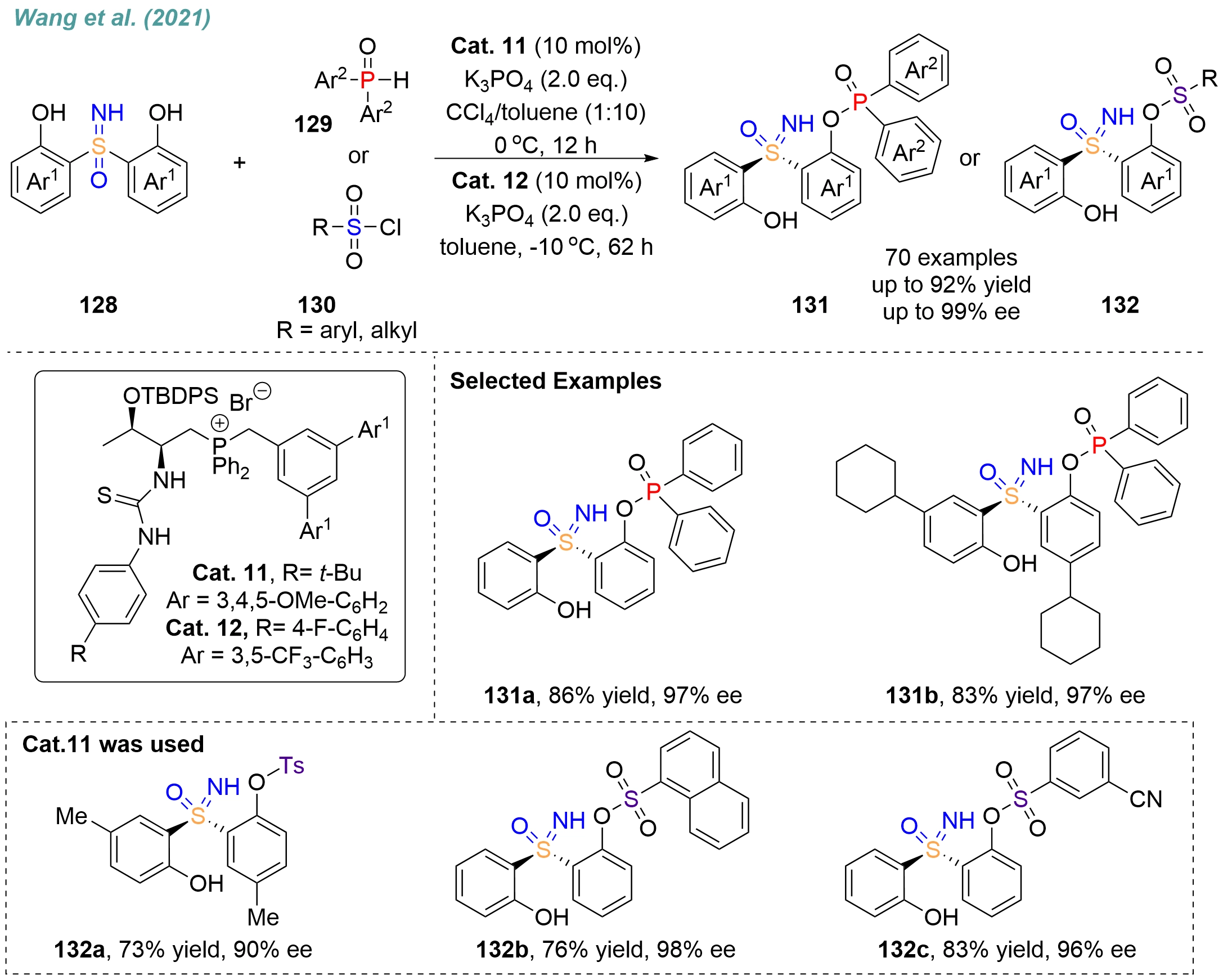
Scheme 30. Phosphonium salt-catalyzed desymmetrization for accessing acyclic sulfoximines.
Mechanistic studies reveal that the reaction proceeds via a base-mediated desymmetrization pathway synergistically coupled with a kinetic resolution. Under basic conditions, the bifunctional phosphonium salt catalyst promotes the deprotonation of the prochiral sulfoximine substrate (128) to generate an anionic intermediate In-A, which is stabilized by ion-pairing and intermolecular hydrogen-bonding interactions with the catalyst's thiourea moiety. This organization within the transition state enables stereodiscrimination, leading to a stereospecific nucleophilic substitution with sulfonyl chlorides (or analogous electrophiles) that preferentially affords the (S)-configured desymmetrized product as the major product. Concurrently, a minor kinetic resolution pathway converts the undesired (R)-configured byproduct via transition intermediate In-B into an achiral derivative through a second catalytic cycle, thereby enhancing the overall enantiopurity of the primary desymmetrization (Figure 7).
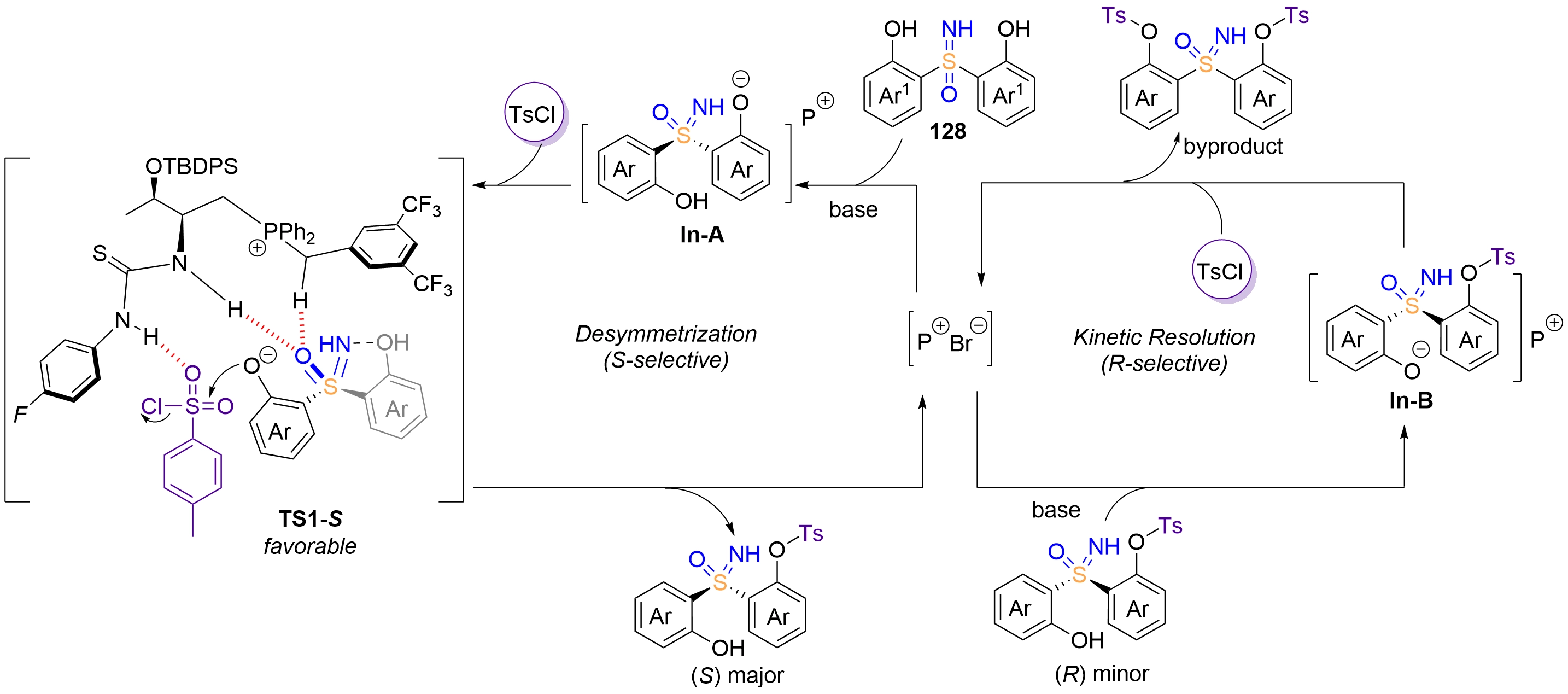
Figure 7. Mechanism of base-mediated desymmetrization coupled with kinetic resolution.
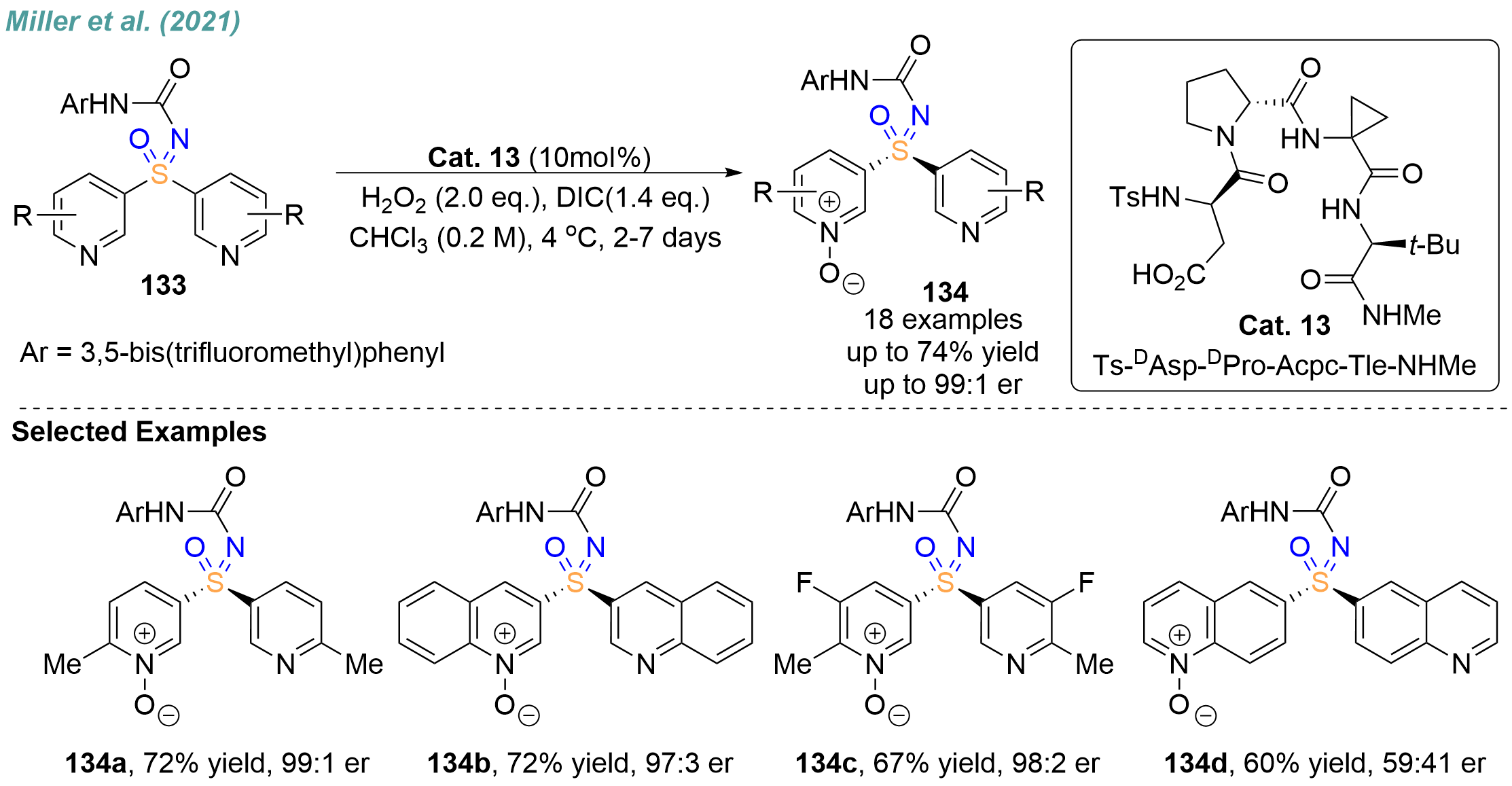
In the same year, Miller’s group reported an efficient catalytic enantioselective synthesis of chiral pyridyl sulfoximines (134) via the desymmetrizing N-oxidation of bis-pyridyl sulfoximines (133)[73]. They employed aspartic acid-containing peptide catalysts (Cat.13); a readily installable and removable urea directing group was incorporated to remarkably enhance enantioinduction, enabling access to a broad range of mono- and bis-pyridyl sulfoximine oxides with up to 99:1 er, while reversing the enantiocontrol was achieved by simply switching the C-terminal protecting group of the peptide catalyst from methyl ester to methyl amide. The protocol exhibits good substrate scope, tolerating electron-rich pyridyl sulfoximines and facilitating site-selective oxidation of unsymmetric bis-pyridyl substrates. The urea directing group can be easily removed under mild conditions without erosion of enantiopurity, and the chiral products are further diversifiable via deprotection, Buchwald-Hartwig amination, or methoxylation reactions, with the method also supporting parallel kinetic resolution of heterocycle-rich substrates with high enantioselectivity (Scheme 31).
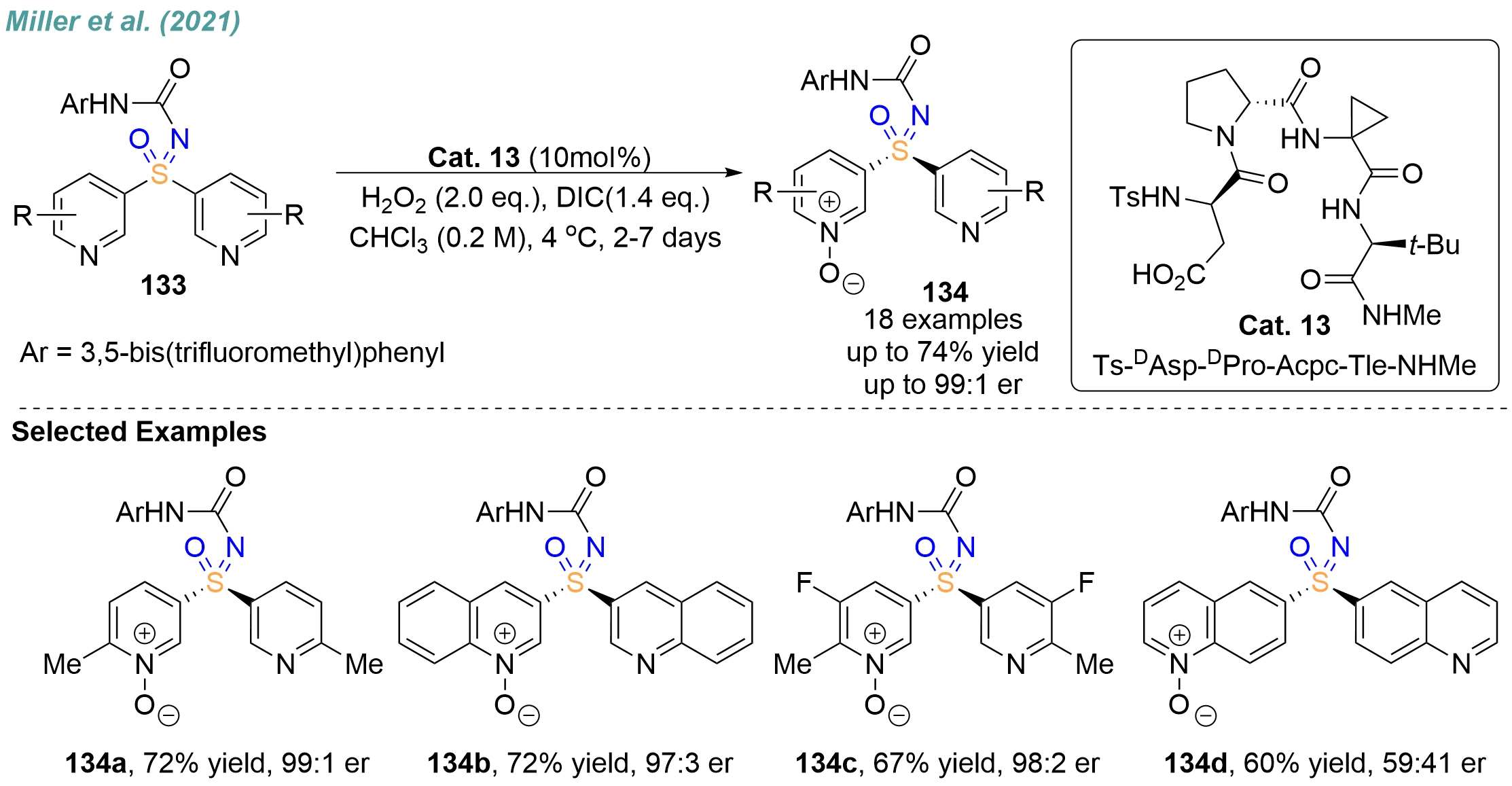
Scheme 31. Peptide-catalyzed enantioselective N-oxidation of bis-pyridyl sulfoximines.
3.3 Catalytic asymmetric synthesis of sulfonimidamides
Sulfonimidamides, the aza-analogues of sulfonamides, represent a distinct class of functional groups that, despite being reported as early as the 1930s, remains significantly underexplored compared to their oxygenated counterparts. Distinguished by a three-dimensional scaffold centered on a stereogenic sulfur atom, these motifs feature an imidic nitrogen that not only serves as a potential hydrogen-bond donor but also provides a versatile vector for structural modification to fine-tune physicochemical properties. These structural attributes have endowed sulfonimidamides with substantial utility in biological contexts and catalytic applications, necessitating the development of efficient stereoselective synthetic methods to access these valuable architectures.
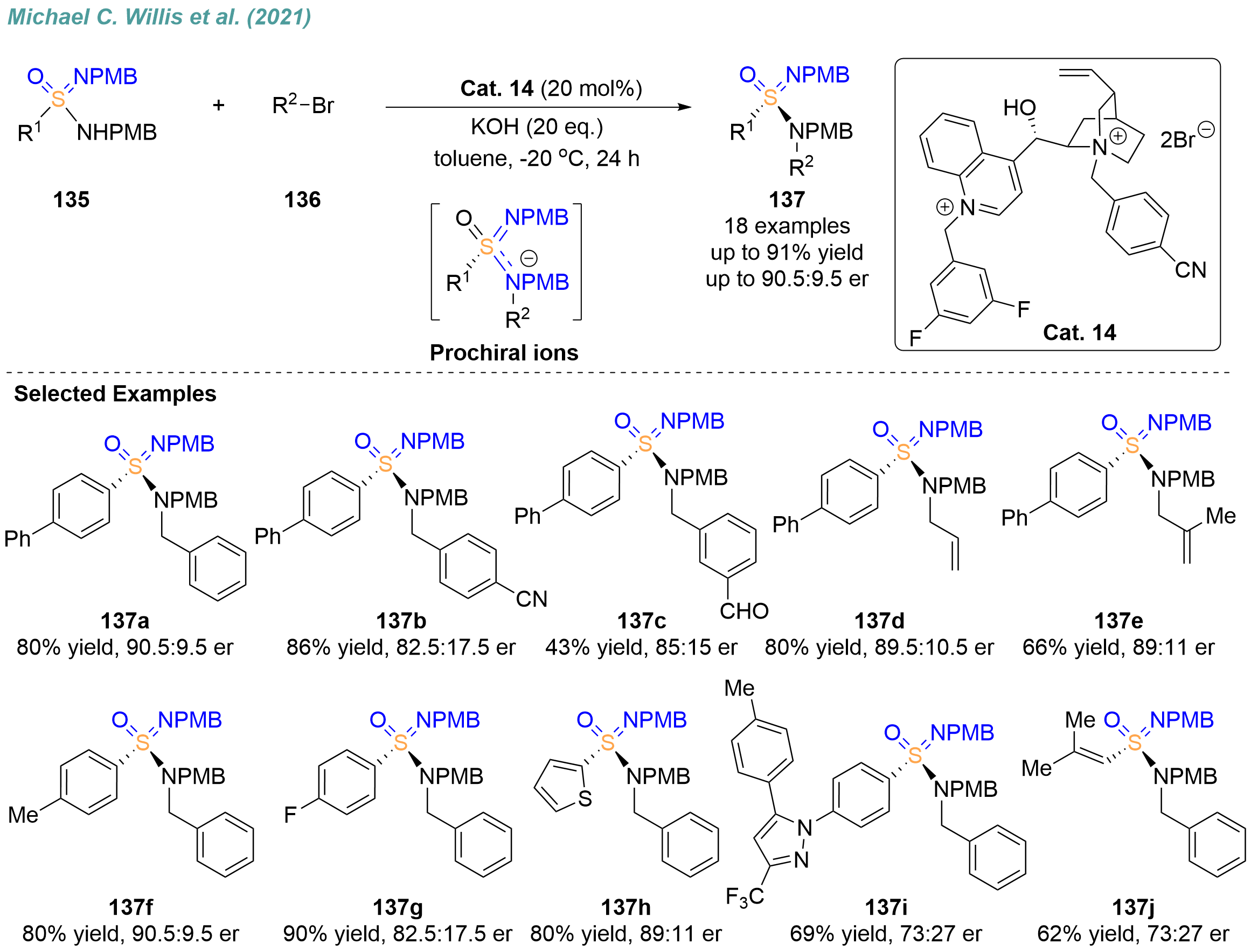
In 2021, Willis and co-workers addressed these challenges by establishing an organocatalytic enantioselective synthesis that exploits the configurational lability of aza-sulfur compounds (135)[74]. Unlike previous protocols that required pre-existing chirality, this strategy leverages the property that sulfonimidamide tautomers exist as enantiomers; this feature allows for the facile generation of prochiral ions under phase-transfer conditions. By employing a bis-quaternized phase-transfer catalyst (Cat.14), the researchers achieved a highly selective alkylation process that effectively desymmetrizes the racemic starting materials. This methodology not only circumvents the necessity for pre-existing stereocenters but also fundamentally establishes the capability of utilizing configurationally labile aza-sulfur species as viable substrates in asymmetric catalysis, thereby significantly expanding the synthetic toolbox for accessing chiral aza-sulfur derivatives (137) (Scheme 32).
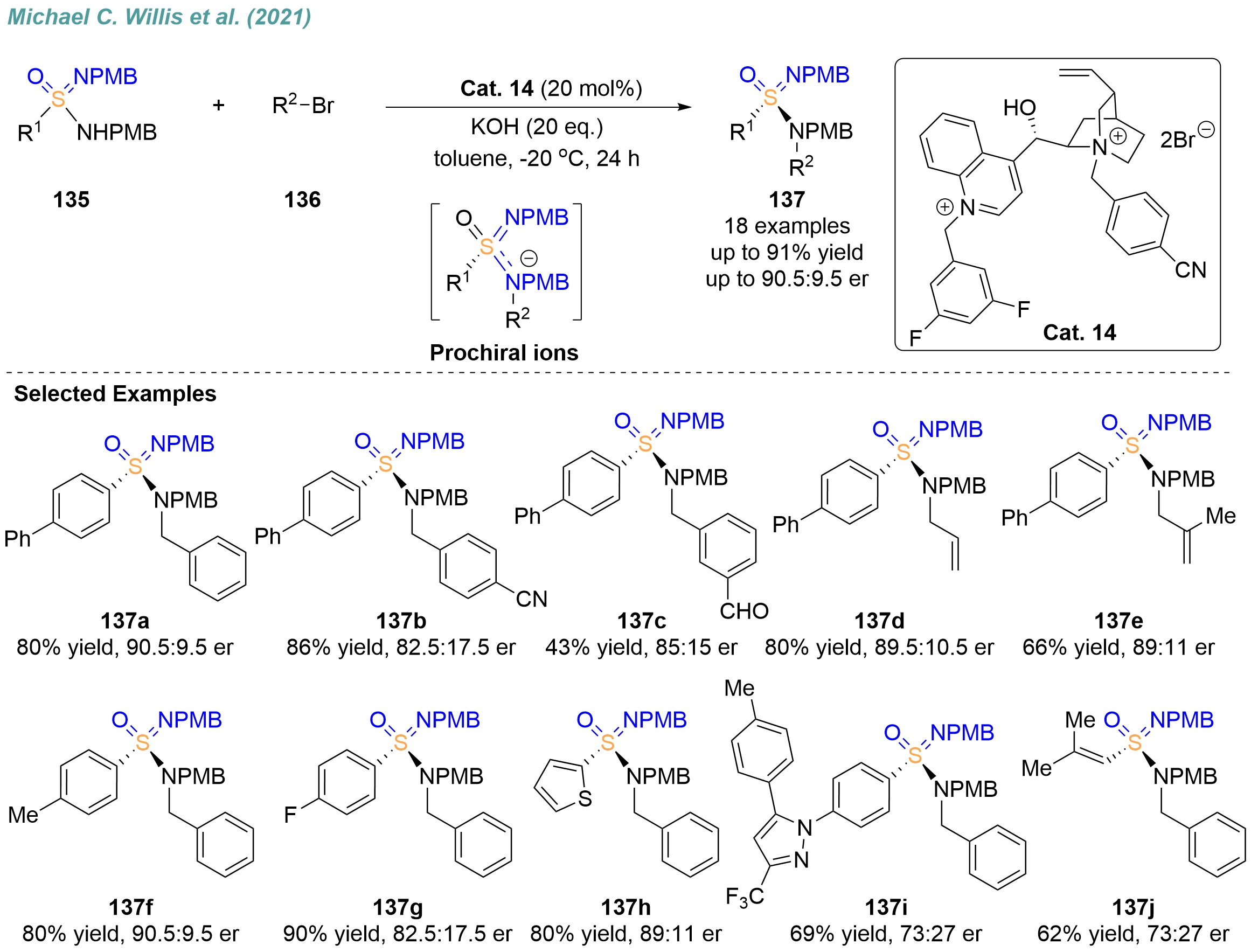
Scheme 32. Configurational lability in aza-sulfur compounds for synthesis of sulfonimidamides.
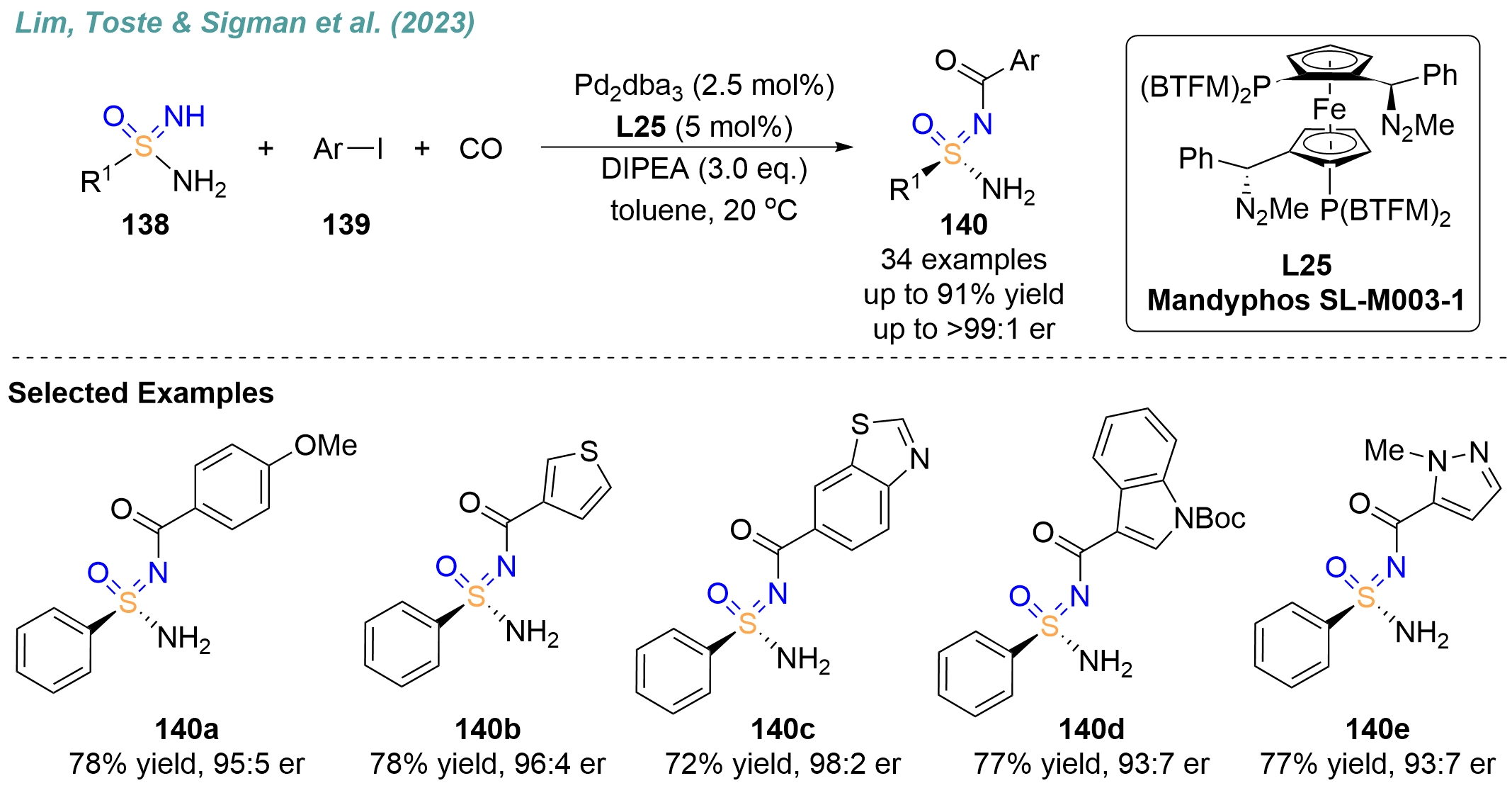
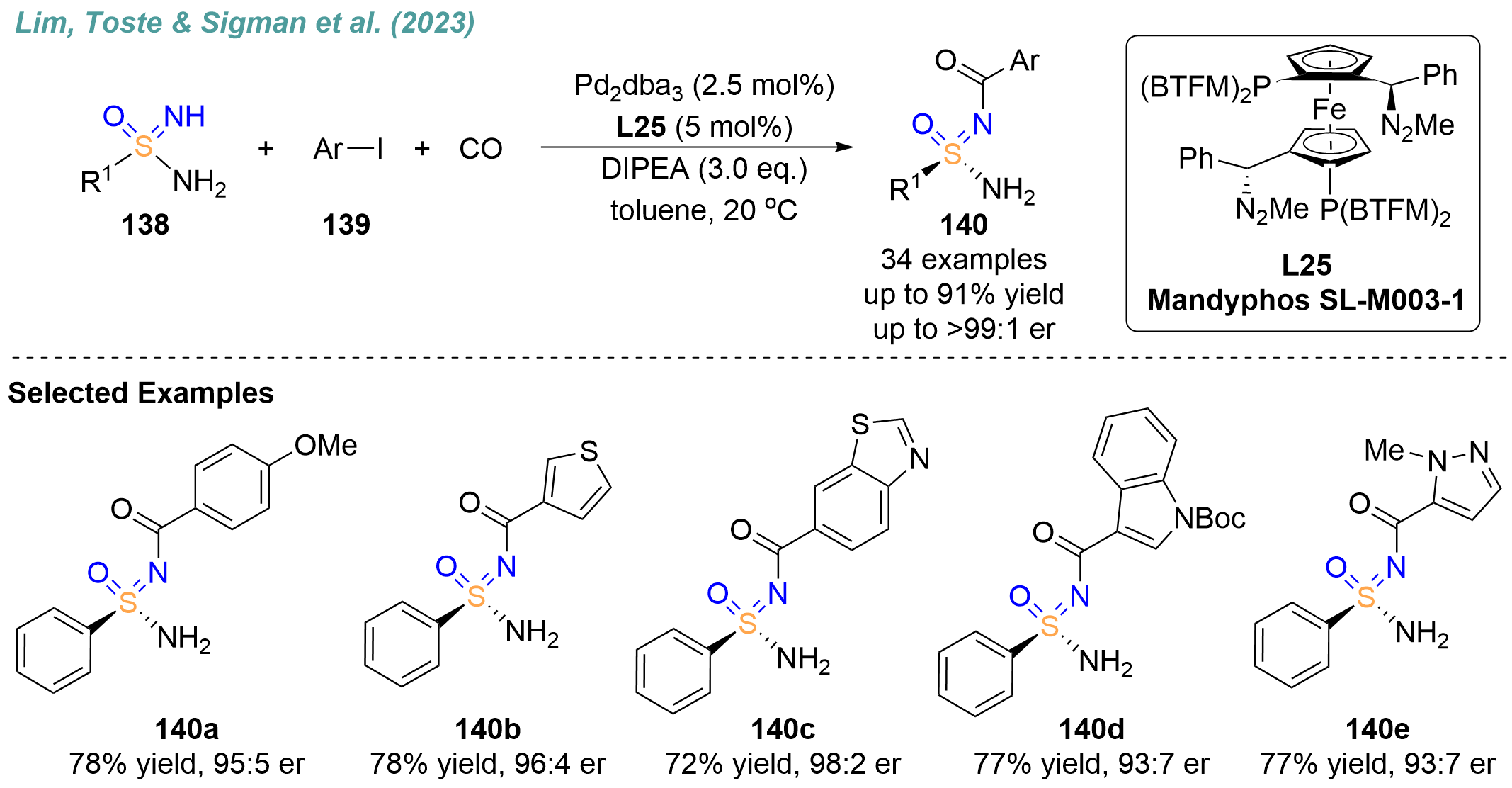
Building upon Willis's work, Sigman, Lim, and Toste extended this principle to transition-metal catalysis and, in 2023, established a palladium-catalyzed enantioselective aryl-carbonylation protocol, providing a robust and efficient strategy for accessing enantioenriched sulfonimidamides (140)[75]. A distinguishing feature of this work is the integration of data science techniques to accelerate reaction optimization and scope evaluation. By utilizing a virtual library of calculated bisphosphine ligand descriptors to effectively sample catalyst chemical space, the researchers identified the Mandyphos-type ligand (L25) as the optimal chiral controller. Furthermore, a data-driven clustering approach was employed to select a structurally diverse set of aryl/heteroaryl iodides (139) and sulfonimidamides (138), ensuring a rigorous assessment of the method’s generality. Under the optimized conditions, the reaction delivers a broad array of acyl sulfonimidamides in high yields (up to 91%) with excellent enantiomeric ratios (up to > 99:1 er). The method tolerates a broad range of functional groups, including electron-donating/withdrawing substituents, heterocycles, and ortho-substituents, in both aryl/heteroaryl iodide electrophiles and racemic sulfonimidamide substrates (Scheme 33).
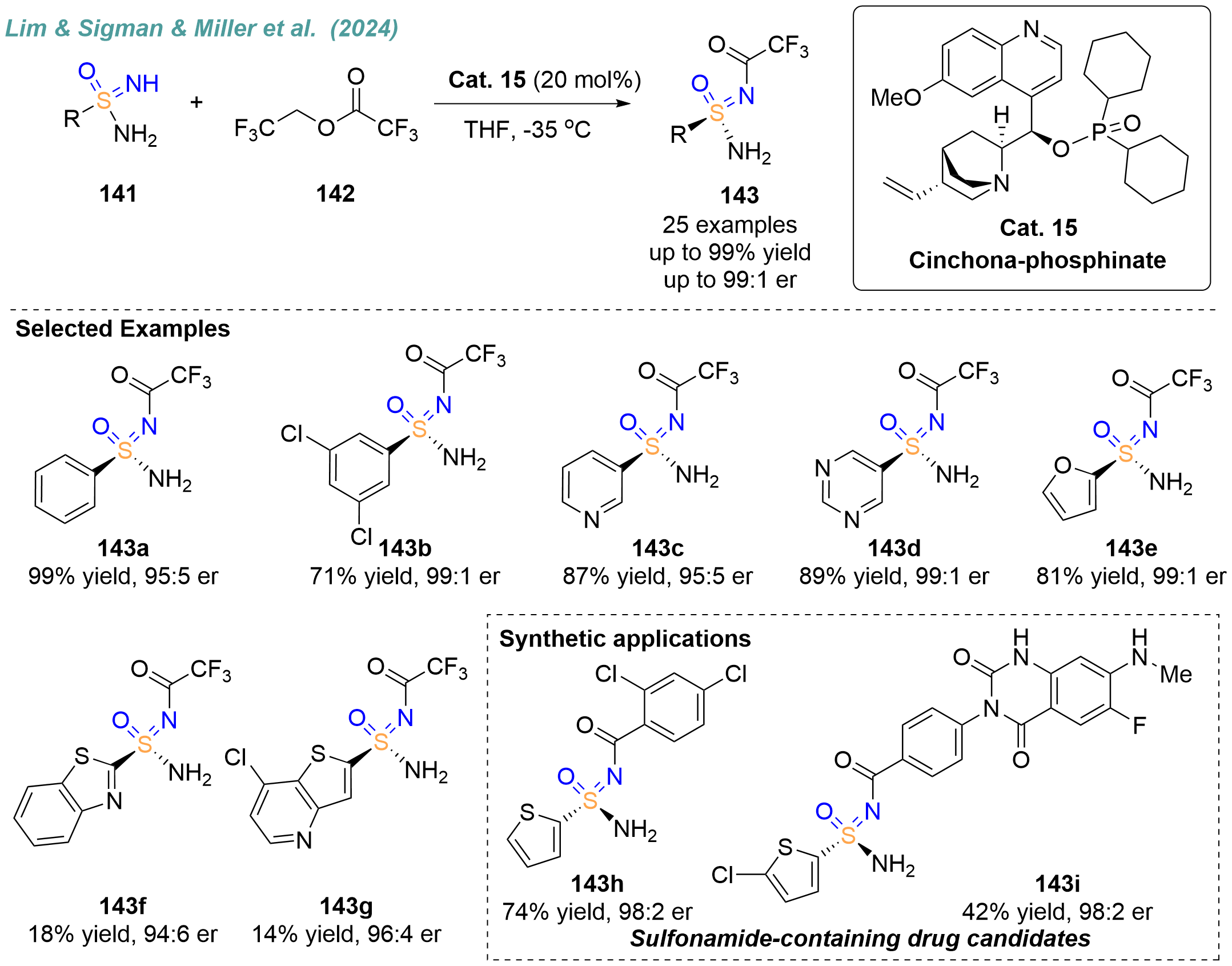
Seeking to expand the repertoire of enantioselective transformations beyond their previously established palladium-catalyzed aryl-carbonylation, Sigman, Lim, and Miller reported an enantioselective desymmetrization of unprotected sulfonimidamides (141) via asymmetric acylation enabled by a cinchona-phosphinate catalyst in 2024[76]. This protocol employs a dicyclohexylphosphinate derivative (Cat.15) to facilitate the synthesis of N-trifluoroacetyl-sulfonimidamides (143) in high yields with enantioselectivities up to 99:1 er. Notably, the system exhibits exceptional chemoselectivity as evidenced by the complete absence of bis-acylated byproducts. The researchers utilized a data science-driven strategy coupled with HTE to rigorously interrogate the substrate and catalyst scope, generating a robust dataset for statistical modeling to elucidate quantitative structure-selectivity relationships. Comprehensive mechanistic investigations, including reaction kinetics, catalyst structural studies, and DFT calculations, identified the collapse of the tetrahedral intermediate as both the turnover-limiting and enantiodetermining step. Furthermore, structural analysis revealed that the quinuclidine and phosphinate moieties function cooperatively within the active site to organize the sulfonimidamide substrate via dual hydrogen-bonding interactions. The synthetic utility of this methodology was further demonstrated through the preparation of chiral sulfonimidamide analogs (143h, 143i) of pharmaceutical agents (Scheme 34).
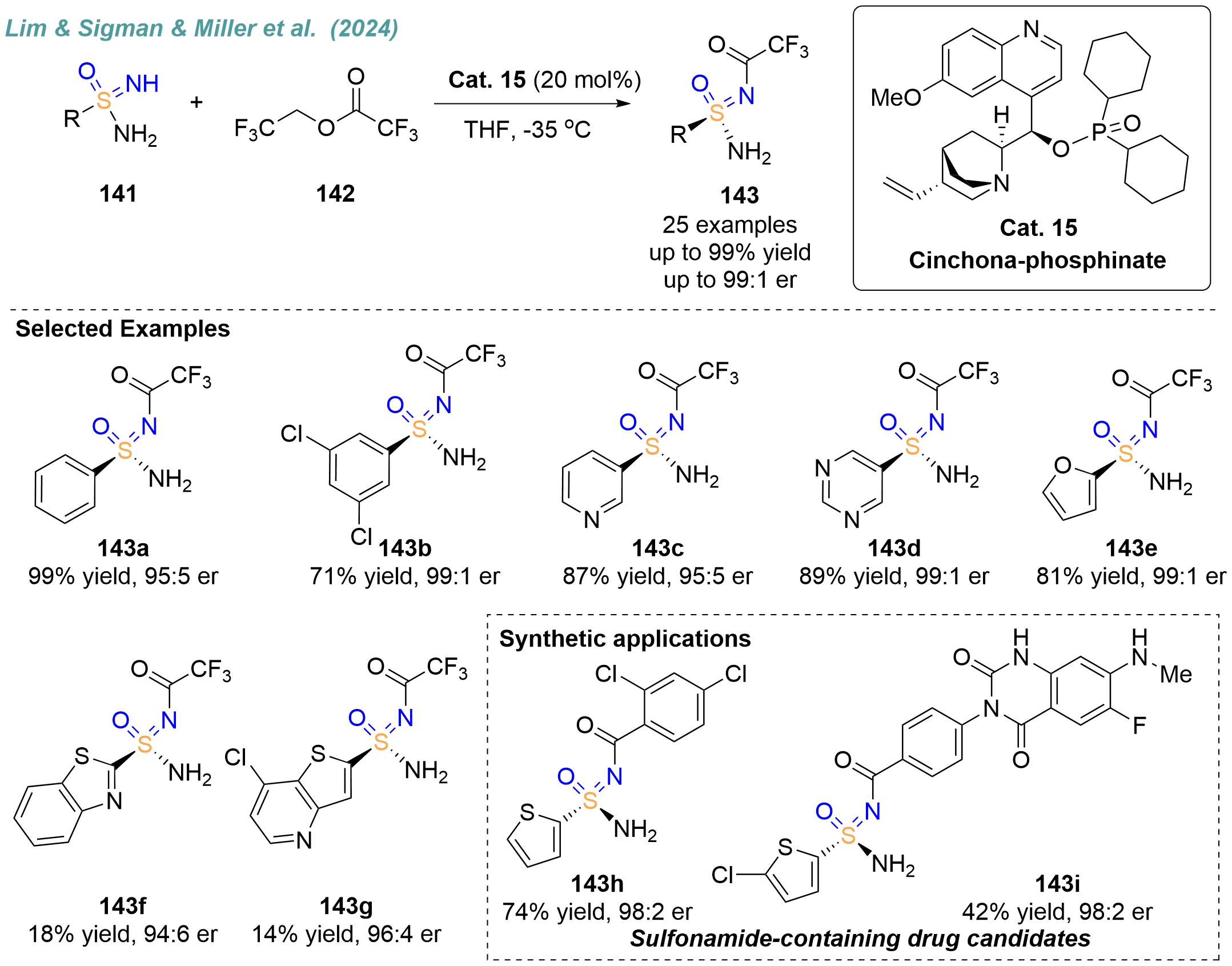
Scheme 34. Cinchona-phosphinate catalyzed enantioselective acylative desymmetrization.
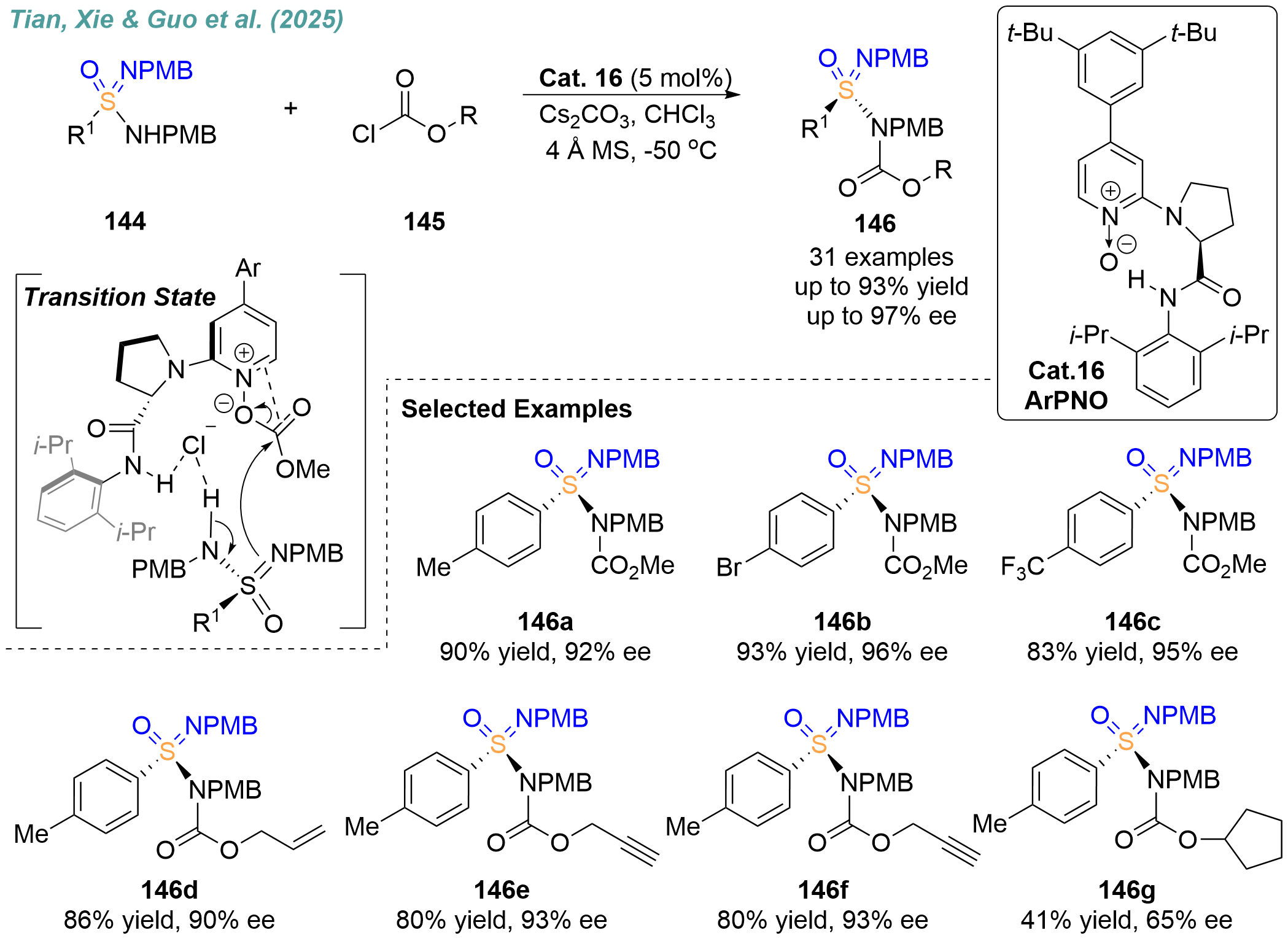
In 2025, Tian, Xie, and Guo established a highly efficient protocol for the enantioselective N-acylative desymmetrization of sulfonimidamides (144)[77]. This transformation utilizes a chiral 4-arylpyridine-N-oxide (Cat.16) as the catalyst and employs chloroformates (145) as acylating agents. The method affords sulfur(VI)-stereogenic N-acylative sulfonimidamides (146) in high yields (up to 93%) with excellent enantioselectivities (up to 97% ee) while exhibiting notable moisture tolerance and compatibility with diverse acyloxy groups. Mechanistic investigations combining experimental kinetics and DFT calculations substantiate a nucleophilic acyl transfer pathway. These studies specifically identify the nucleophilic substitution of the sulfonimidamide onto the generated O-acyloxypyridinium cation intermediate as the enantioselectivity-determining step. The reaction demonstrates a broad substrate scope and accommodates sulfonimidamides bearing aromatic, heteroaromatic, and aliphatic substituents alongside various chloroformates. Furthermore, the synthetic utility of this strategy is highlighted by gram-scale preparations, Cu(I)-catalyzed click conjugation with pharmaceutical agents, and deprotection sequences that proceed without erosion of enantiomeric purity (Scheme 35).
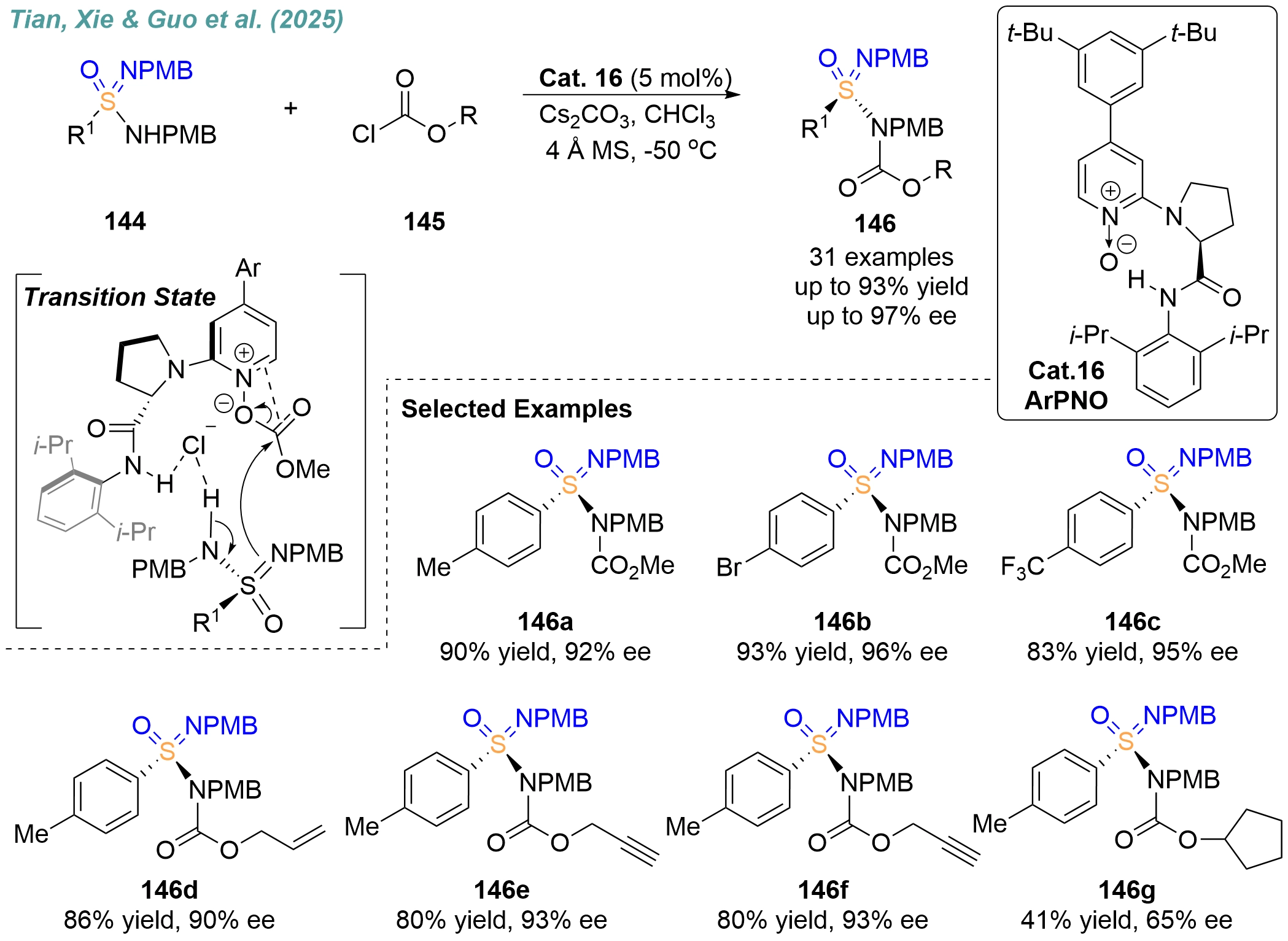
Scheme 35. Chiral N-oxide-catalyzed enantioselective N-acylative desymmetrization.
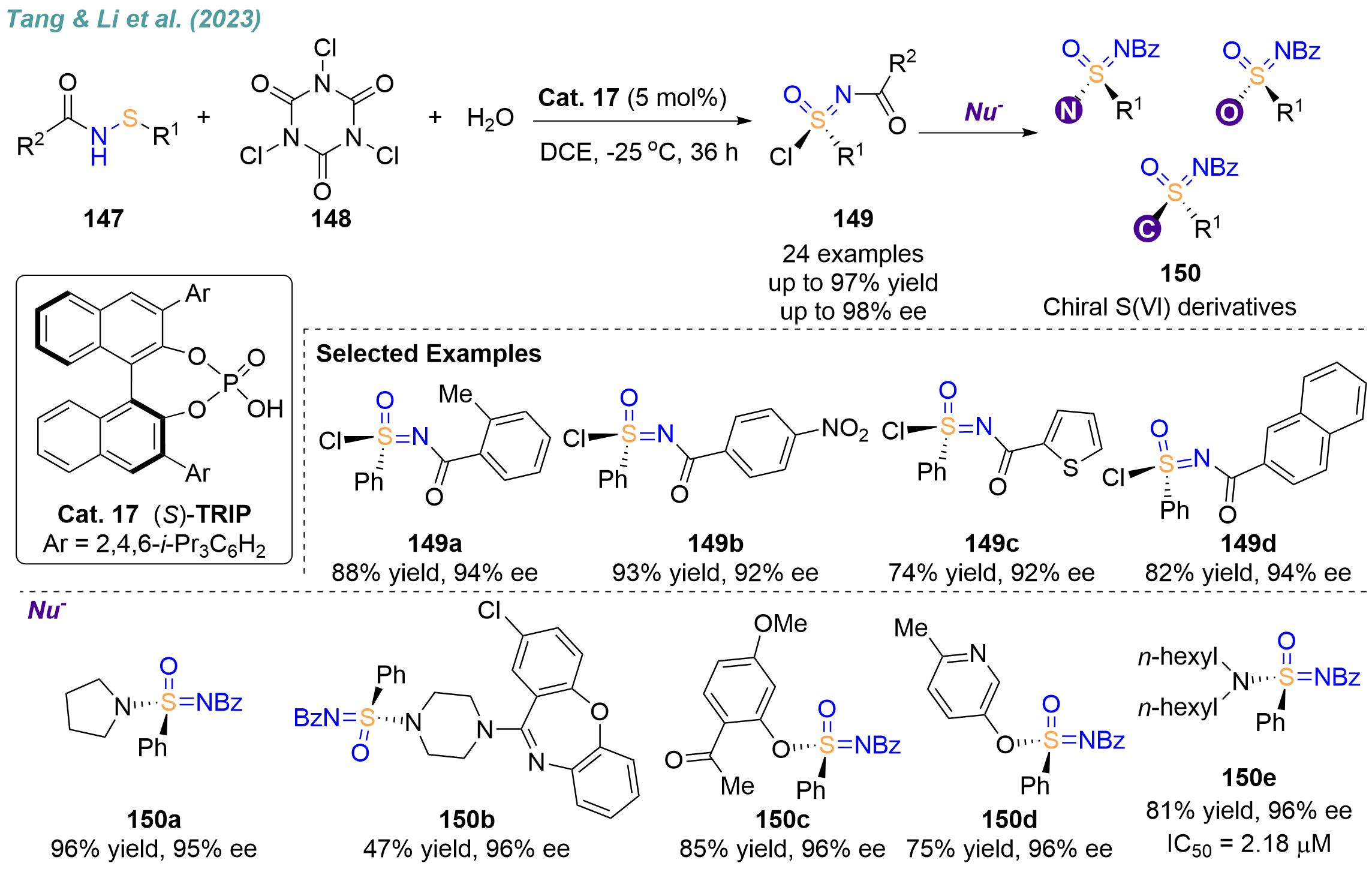
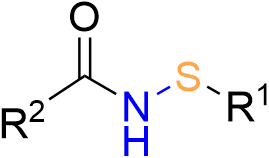
In 2023, Tang and Li’s group reported a catalytic asymmetric synthesis of chiral sulfonimidoyl chlorides (149) directly from prochiral S(II) sulfenamides (147)[78]. The protocol involves sequential oxidative chlorination of sulfenamides to generate symmetric aza-dichlorosulfonium salts in situ, followed by desymmetrizing enantioselective hydrolysis catalyzed by chiral phosphoric acid (Cat.17). The resulting chiral sulfonimidoyl chlorides are stable and storable, serving as versatile synthons for accessing various chiral S(VI) derivatives. These derivatives include sulfonimidamides, sulfonimidate esters, and sulfoximines (150) via SN2 displacement with N-, O-, and C-centered nucleophiles, all achieving high enantioselectivities (up to 98% ee). Preliminary biological evaluations demonstrate that some chiral sulfonimidamides (150e) exhibit enantioselective anticancer activity against multiple cancer cell lines, with low toxicity toward normal cells (Scheme 36).
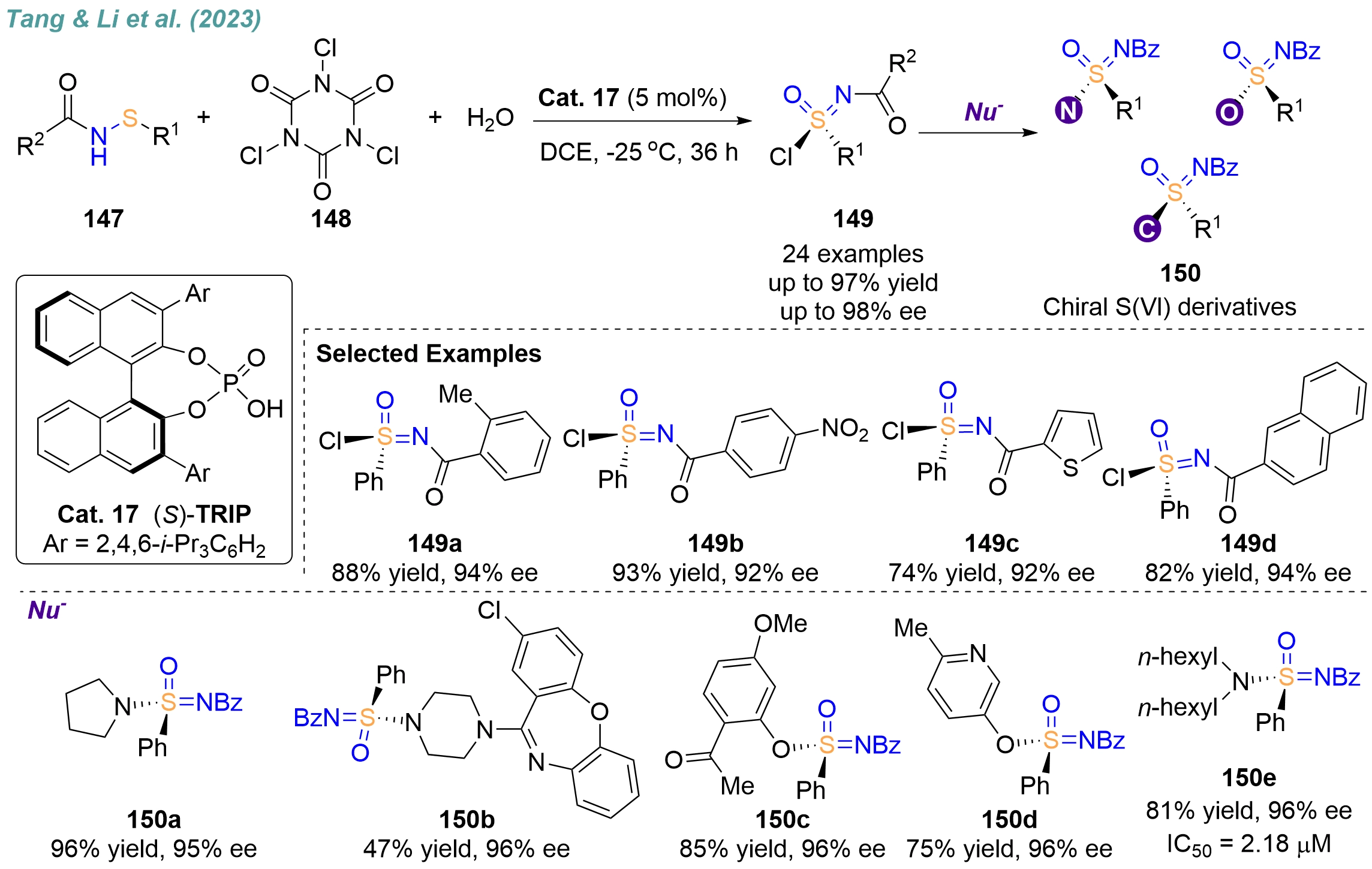
Scheme 36. Chiral phosphoric acid-catalyzed hydrolysis for the synthesis of sulfonimidoyl chlorides.
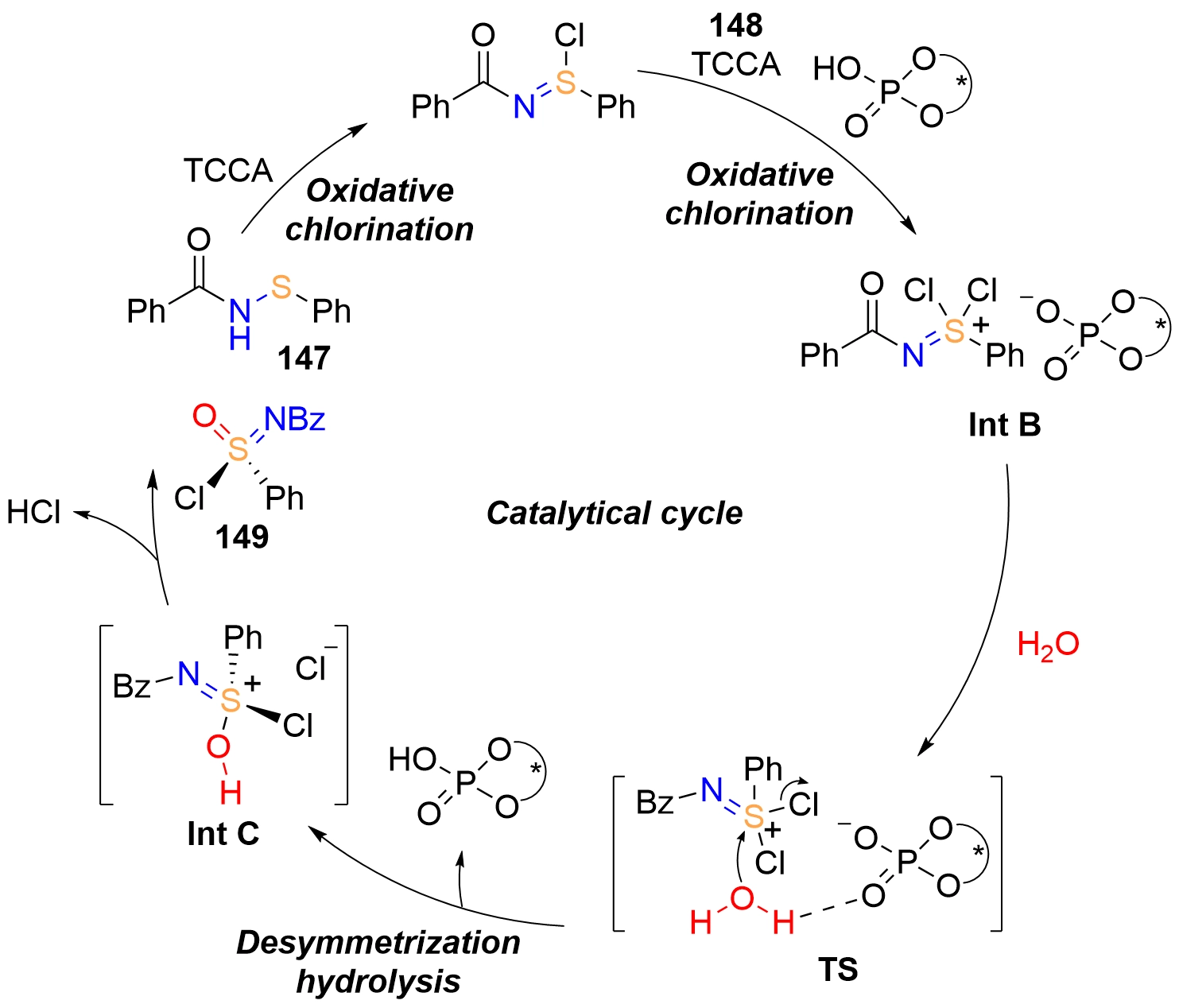
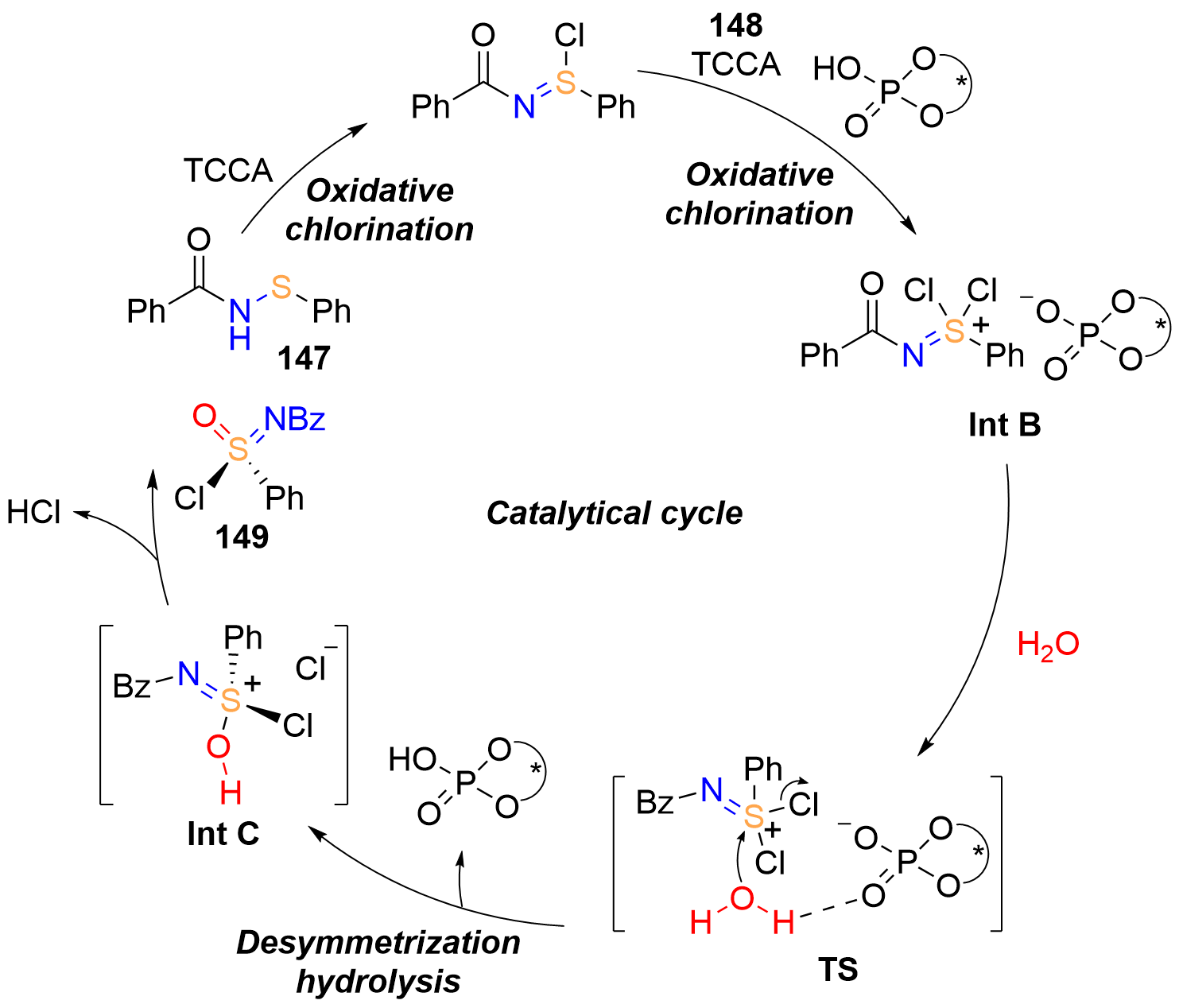
Based on comprehensive experimental evidence and DFT calculations, a plausible reaction mechanism for the direct conversion of prochiral S(II) sulfenamides to chiral S(VI) sulfonimidoyl chlorides via cascade oxidative chlorination and desymmetrizing enantioselective hydrolysis is proposed as follows: First, prochiral species S(II) sulfenamides undergo sequential oxidative chlorination with a highly electrophilic chlorine source (TCCA) to in situ generate the S(IV) intermediate Int-A, followed by further chlorination to form the key S(VI) intermediate symmetric aza-dichlorosulfonium salt Int B. Chiral phosphoric acid (CPA) then acts as a bifunctional catalyst: it forms chiral ion pairs with Int B and establishes hydrogen bonds with both Int B and water, activating the system for enantioselective desymmetrization. Water serves as the nucleophile to undergo SN2 substitution with one Cl atom of Int B, yielding the tetrahedral intermediate Int C. Finally, Int C eliminates HCl to afford chiral sulfonimidoyl chlorides. The enantioselectivity is determined by the steric and electronic effects of the CPA-catalyzed transition state: the (R)-TS is 2.4 kcal/mol lower in free energy than the (S)-TS, leading to the dominant formation of (R)-configured products (Figure 8).
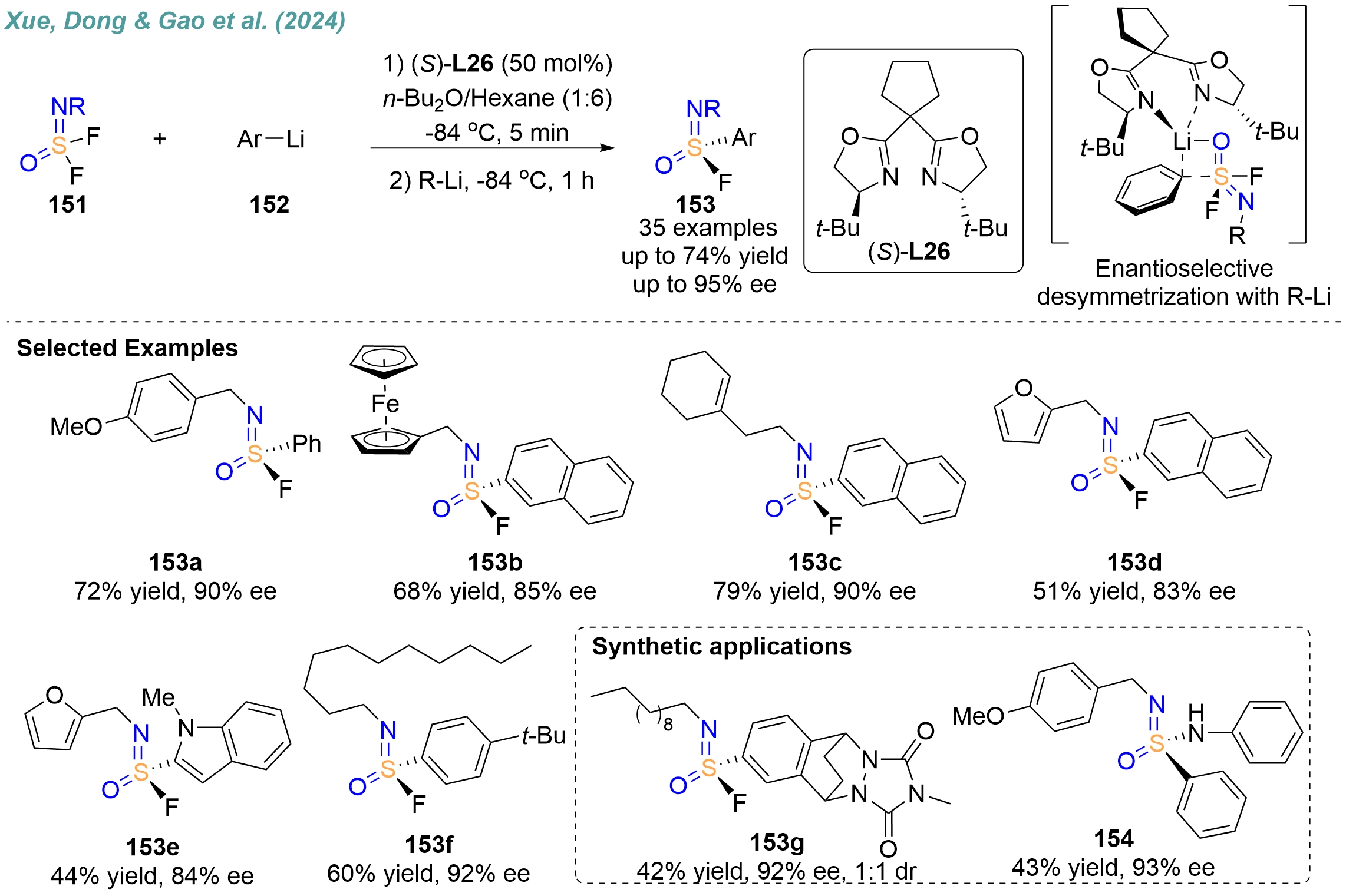
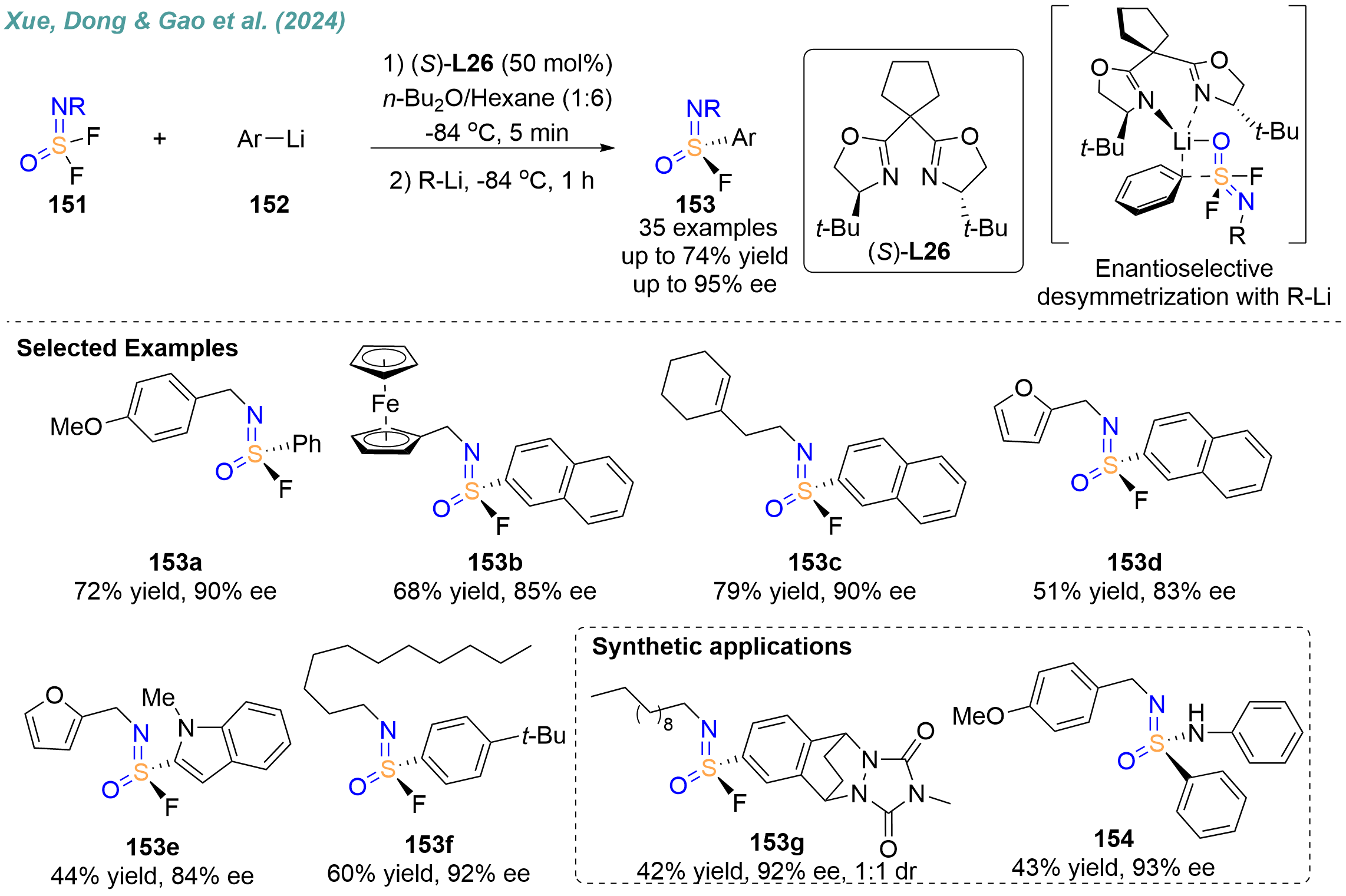
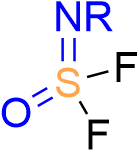
In 2024, Gao, Xue and Dong’s group reported an enantioselective three-dimensional sulfur(VI) fluoride exchange (3D-SuFEx) reaction based on thionyl tetrafluoride (SOF4)[79]. This process involves chiral bis-oxazoline ligand (L26)-induced enantioselective defluorinative substitution of iminosulfur oxydifluorides (151) with organolithium reagents (152), affording enantioenriched sulfonimidoyl fluorides (153) with high enantioselectivities (up to 95% ee). A substoichiometric amount of the chiral ligand is sufficient to achieve excellent stereocontrol, and the reaction tolerates a broad range of substrates including aryl, heteroaryl, and vinyl-substituted organolithium reagents, as well as diverse iminosulfur oxydifluorides. The resulting sulfonimidoyl fluorides undergo further stereospecific fluoride exchange with various nucleophiles (e.g., amines, phenols, organometallic reagents), enabling the modular synthesis of optically active S(VI) compounds such as sulfoximines, sulfonimidates (153g), and sulfonimidamides (154), as well as S(IV) sulfinamides with complete chirality transfer. Mechanistic studies and DFT calculations confirm that the organolithium reagent coordinates with the chiral ligand to form an activated complex, and the reaction proceeds via a trigonal-bipyramidal transition state, with the formation of lithium fluoride serving as a crucial driving force (Scheme 37).
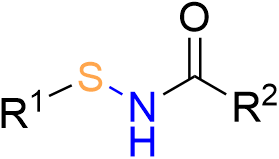
In 2025, Li and Tang’s group reported a convenient one-pot tandem protocol for the enantioselective synthesis of chiral sulfonimidoyl fluorides SIFs (156) from readily available prochiral sulfenamides[80]. The process involves three sequential steps: oxidative chlorination with TCCA and proton sponge (PS), dynamic kinetic enantioselective hydrolysis catalyzed by chiral phosphoric acid (Cat.18), and stereospecific oxidative fluorination with Selectfluor, delivering chiral SIFs in moderate to good yields and high enantioselectivities (up to 97% ee). The reaction tolerates a broad range of substrates, including sulfenamides with aromatic, heteroaromatic, and functionalized substituents (155). The resulting chiral SIFs can be stereospecifically converted into diverse chiral S(VI) derivatives (sulfoximines, sulfonimidate esters, sulfonimidamides) under mild conditions or even in buffer solutions (Scheme 38).
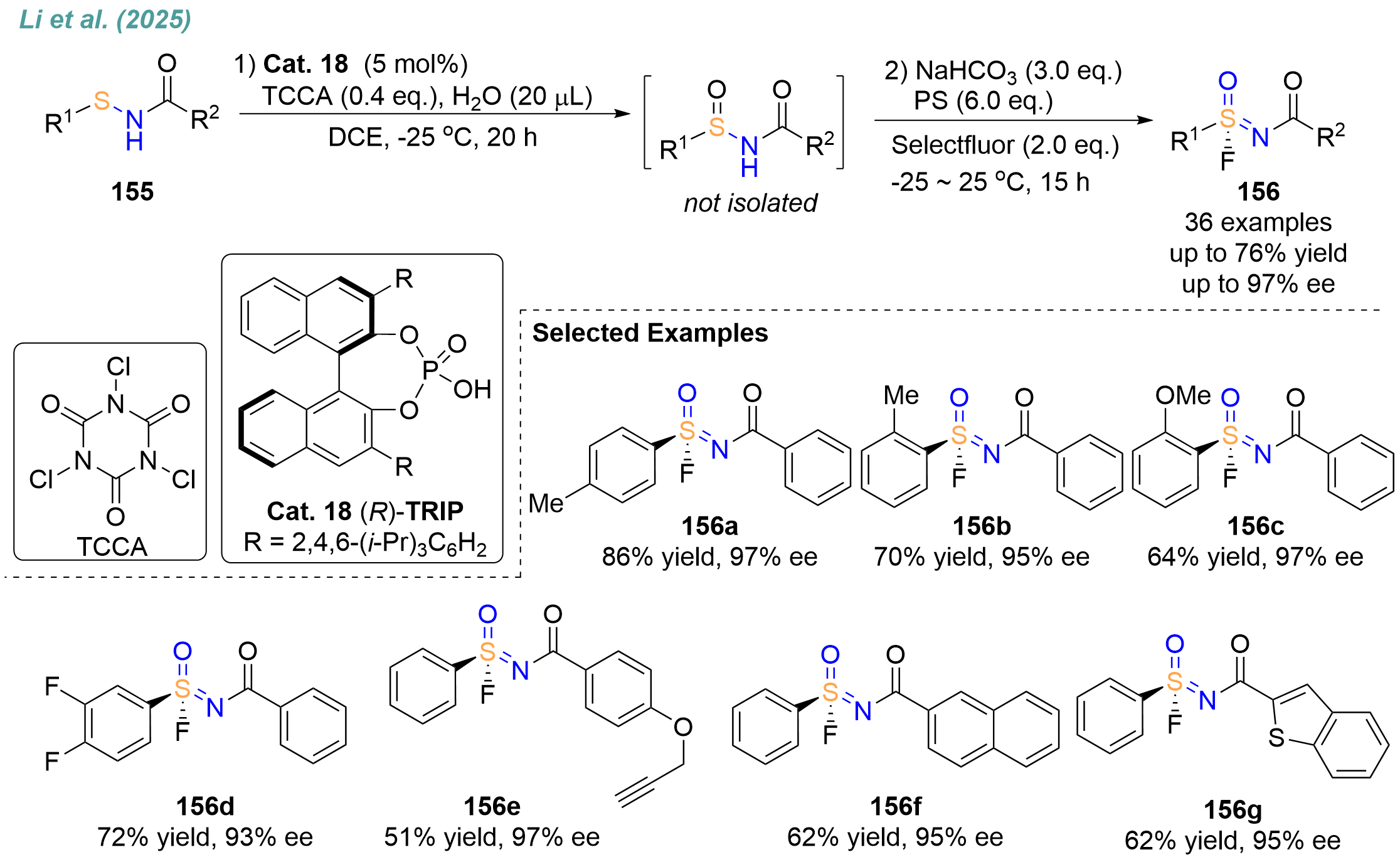
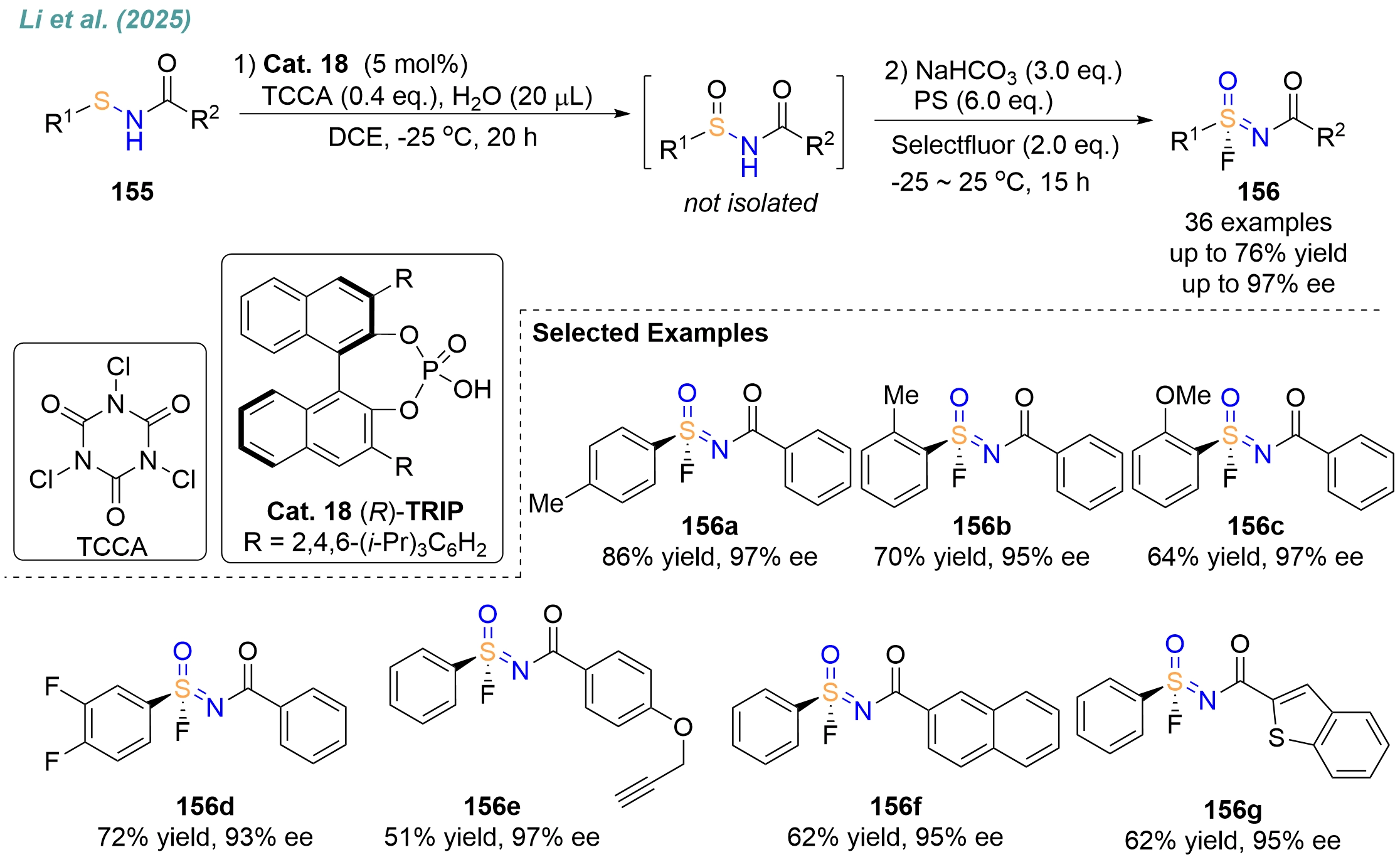
Scheme 38. One-pot tandem enantioselective synthesis of chiral sulfonimidoyl fluorides.
Subsequently, Guo, Xie and Tian’s group reported the first chiral Lewis acid-catalyzed asymmetric nucleophilic substitution reaction of racemic sulfonimidoyl chlorides (157), using 2-hydroxypyridines as nucleophiles[81]. This protocol affords sulfur(VI)-stereogenic sulfonimidate esters (159) with good yields (up to 94%), excellent chemoselectivities, and high enantioselectivities (up to 99% ee), with a catalytic system composed of Zn(OTf)2 and a chiral PyIPI (L27) ligand. The enantioenriched sulfonimidate esters can be stereospecifically transformed into diverse chiral S(VI) derivatives (e.g., sulfonimidamides, sulfoximines, sulfonimidoyl fluorides) via sulfur(VI)-phenolate exchange, with the 2-hydroxypyridine moiety serving as a leaving group. A practical one-pot procedure is developed by in situ generating sulfonimidoyl chlorides from S(IV) sulfonamides via oxidative chlorination, and adding quinuclidine as an additive triggers rapid racemization of sulfonimidoyl chlorides, converting the reaction from kinetic resolution to a dynamic kinetic process. Mechanistic studies and density functional theory DFT calculations confirm an SN2 pathway, with the ligand acting in a bifunctional mode, coordinating Zn(II) to activate sulfonimidoyl chlorides and forming hydrogen bonds via imidazolidine N-H with 2-hydroxypyridines to control stereoselectivity (Scheme 39).
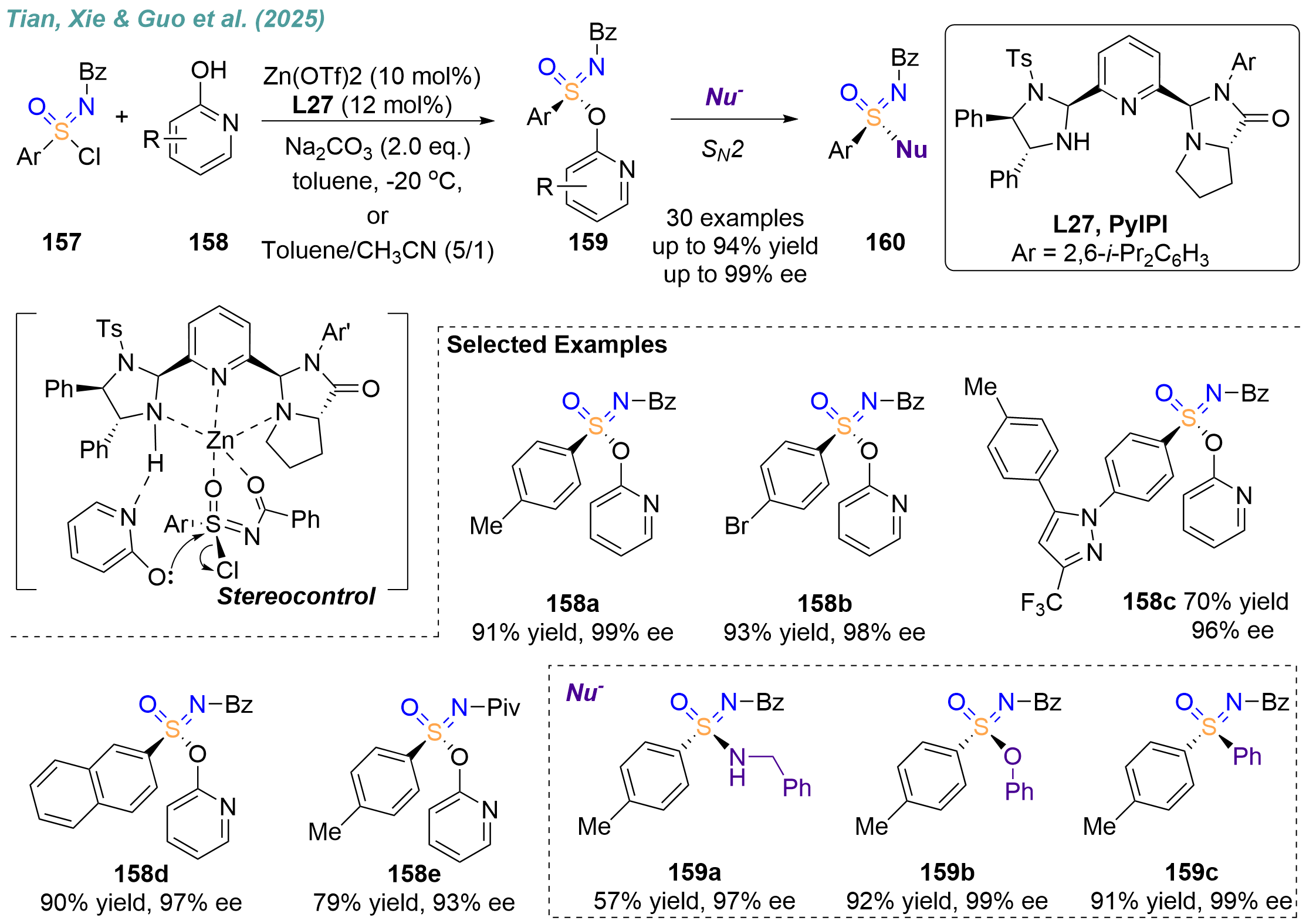
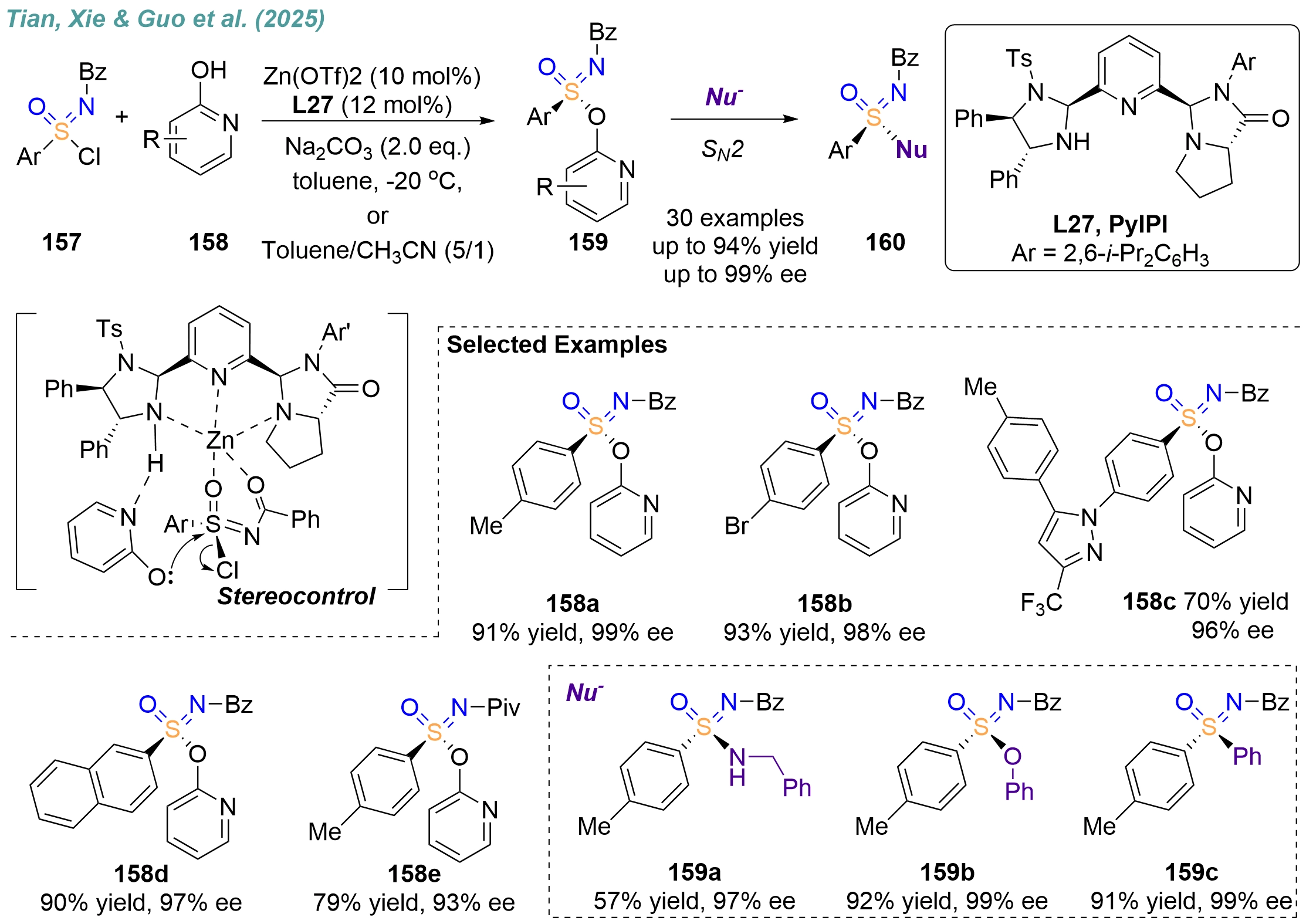
Scheme 39. Zn(II)-catalyzed dynamic kinetic asymmetric nucleophilic substitution.
Further advancing the synthesis of chiral sulfur(VI) fluorides and expanding the toolbox for 3D-SuFEx chemistry, Guo, Xie, Tian, and co-workers recently unveiled a highly efficient catalytic asymmetric sulfonimidoyl transfer strategy via an enantioselective chloride-fluoride (Cl-F) exchange[82]. Distinct from previously reported desymmetrization and Zn(II)-catalyzed systems, this transformation proceeds through a DyKAT pathway, employing a rationally designed bifunctional chiral 4-arylpyridine N-oxide (Cat.16, ArPNO) as the organocatalyst and AgF as both the fluoride source and chloride scavenger. Mechanistically, the reaction generates a key O-sulfonimidoyl ester pyridinium cation intermediate; a two-catalyst-bound pentacoordinate sulfur species mediates the rapid in situ racemization of the racemic sulfonimidoyl chloride substrate (160), followed by stereocontrolled nucleophilic substitution by fluoride to yield the chiral sulfonimidoyl fluoride (161). This protocol delivers a broad scope of optically active sulfonimidoyl fluorides in high yields with excellent enantioselectivities of up to 99% ee, and is compatible with late-stage functionalization of pharmaceutical intermediates as well as gram-scale synthesis with a recyclable catalyst. The strategy is generalizable to azide, amine, phenol, and alcohol nucleophiles, enabling divergent access to chiral sulfonimidoyl azides, sulfonimidamides, and sulfonimidate esters (162). The resulting chiral S(VI) fluorides serve as robust 3D-SuFEx hubs for stereospecific ligation with C-, N-, and O-centered nucleophiles, supporting the modular assembly of diverse high-valent sulfur chiral (163-165) scaffolds (Scheme 40).
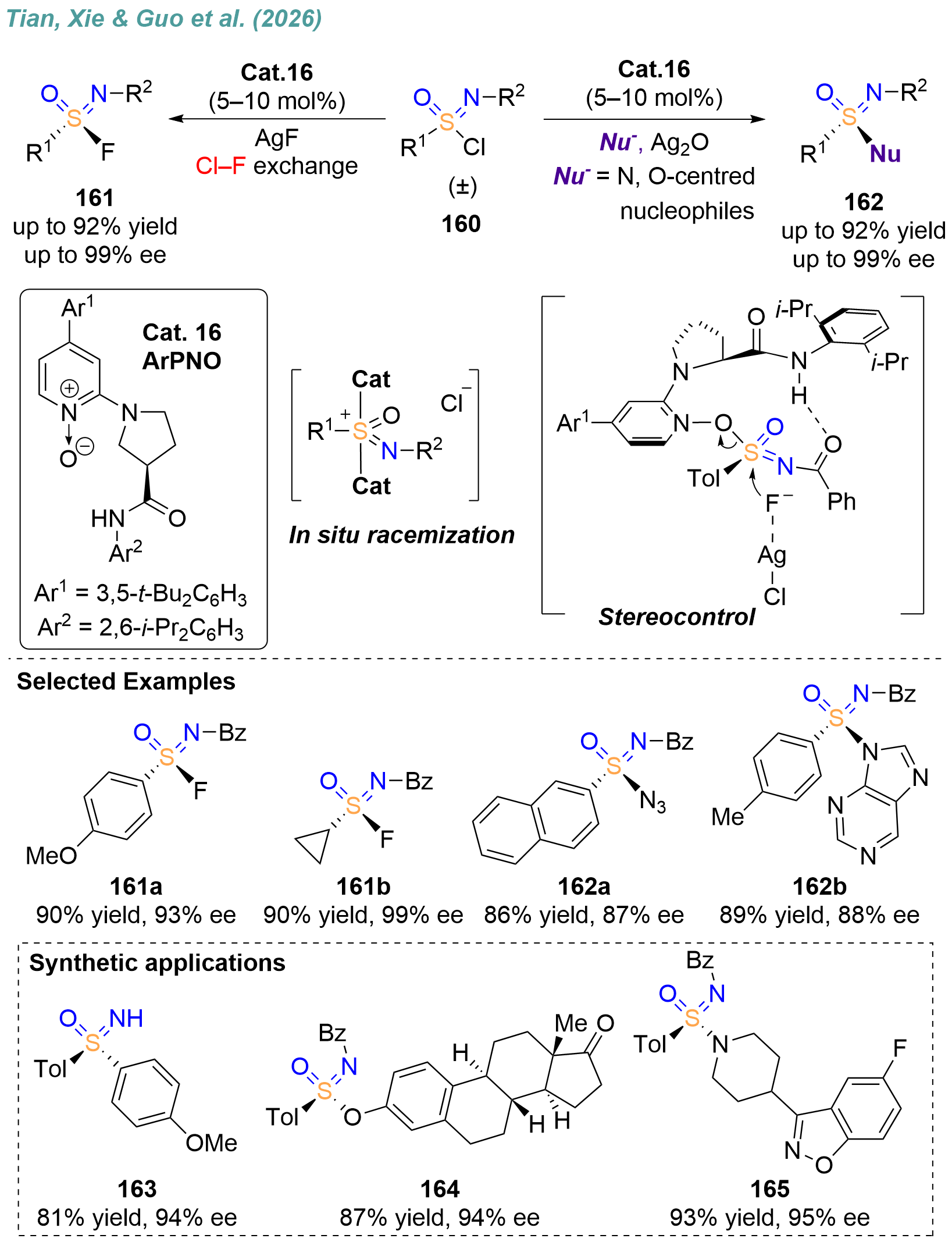
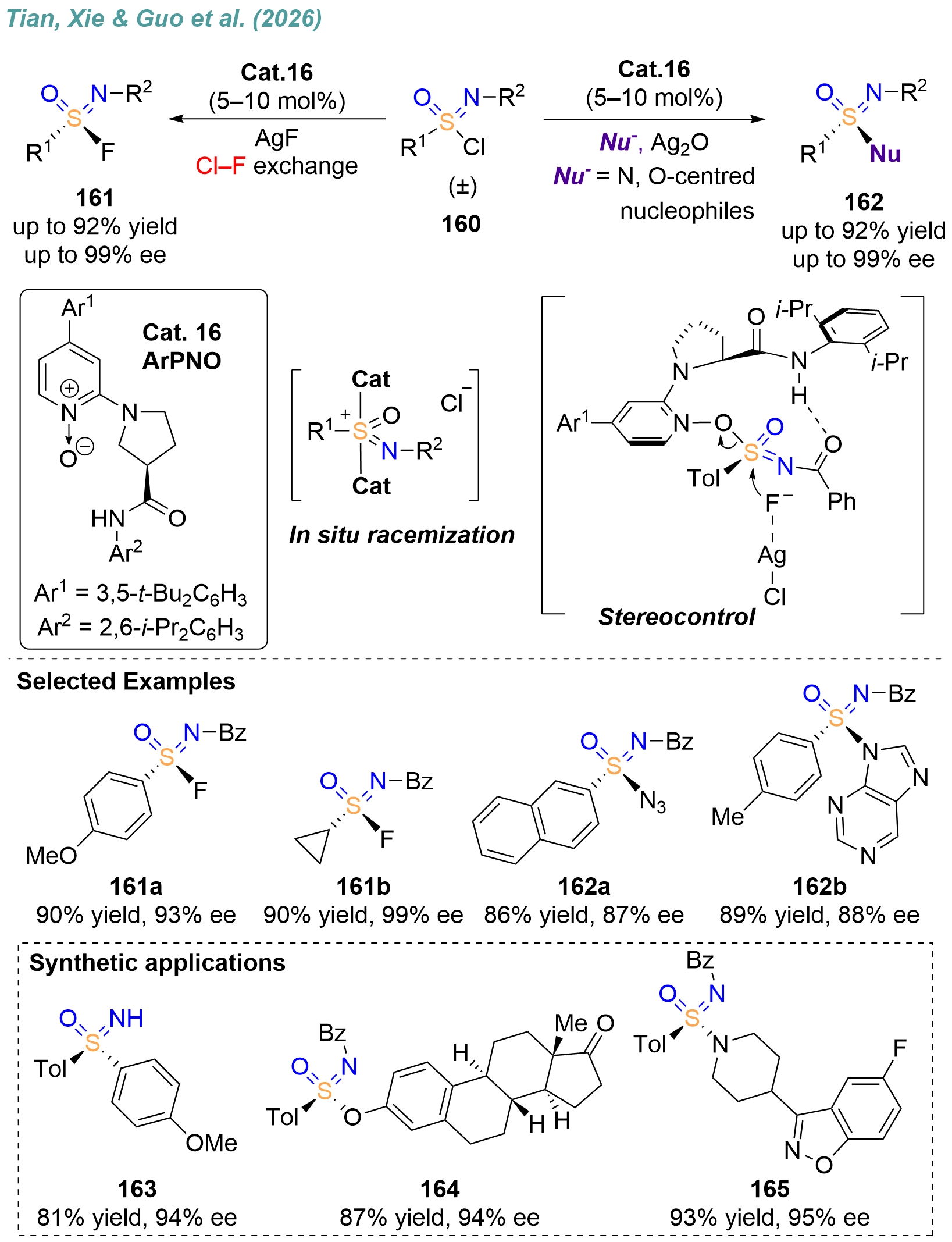
Scheme 40. Organocatalytic DyKAT-based Cl-F exchange and 3D-SuFEx. 3D-SuFEx: three-dimensional sulfur(VI) fluoride exchange; DyKAT: dynamic kinetic asymmetric transformations.
For chiral S(VI) sulfur frameworks including sulfoximines, sulfonimidamides, sulfonimidate esters, and sulfonimidoyl fluorides, a complementary suite of catalytic approaches is available. The highlighted methods cover Cp*Rh(III)- and Ru(II)-catalyzed C-H annulation, kinetic resolution and desymmetrization, phase-transfer and peptide catalysis, and emerging enantioselective 3D-SuFEx transformations. Key advantages include the construction of cyclic S(VI) heterocycles, DyKAT, and multiple protocols with gram-scale scalability (Table 2).
Table 2. Comparison of representative catalytic methods for chiral sulfur(VI) compounds.
| Substrate | Type of Reaction | Catalyst/Ligand | Product | Scope/scalability |
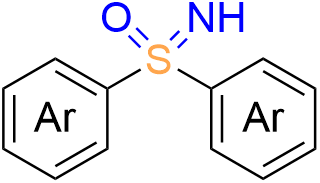 | C-H annulation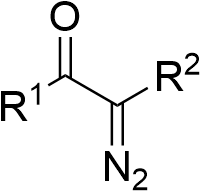 | Cp*Rh(III) (Cat.8)/carboxylic acid (L16) | 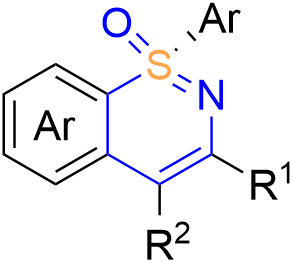 | 1,2-Benzothiazines; parallel KR |
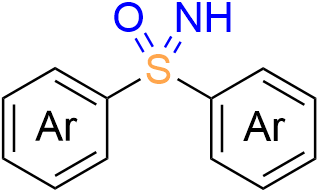 | [4 + 2] annulation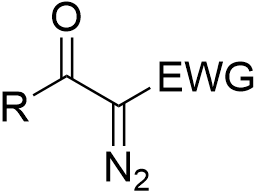 | Rh(III) (Cat. 9), acids A1/A2 | 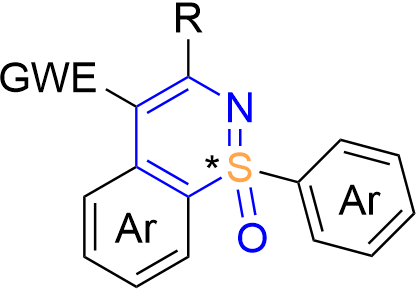 | Diaryl sulfoximines |
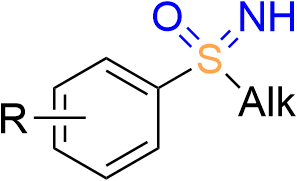 | Kinetic resolution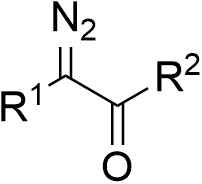 | Cp*Rh(III) (Cat.10)/ phenylalanine (L17) | 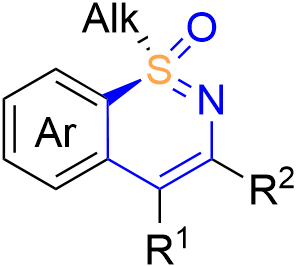 | Aryl–alkyl sulfoximines |
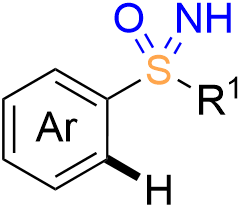 | C-H annulation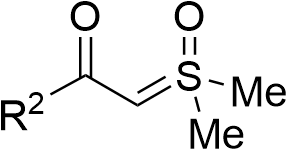 | Ru(II), chiral acids (L18/L19) | 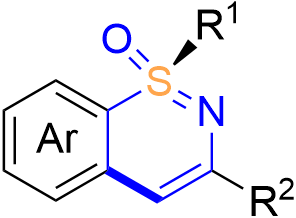 | Desymm/KR/PKR; CYP24 inhibitors |
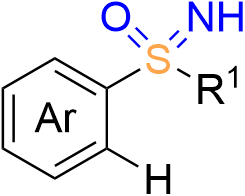 | C-H annulation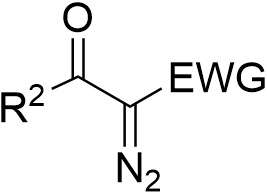 | Ir(III), chiral acid (L18/L20) | 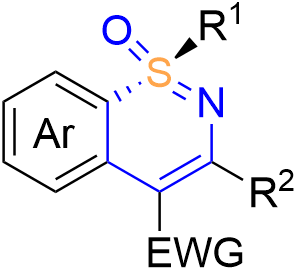 | Broad aryl/alkyl scope |
 | [4 + 3] annulation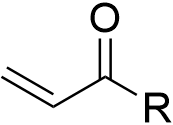 | Ru(II)/L18 | 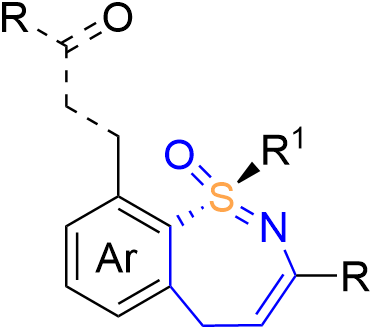 | 1,2-Benzothiazepines; C-S axis |
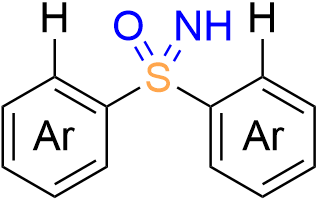 | C-H amidation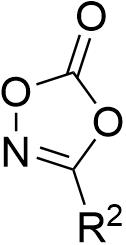 | Cp*Co(III), chiral acid (L21) | 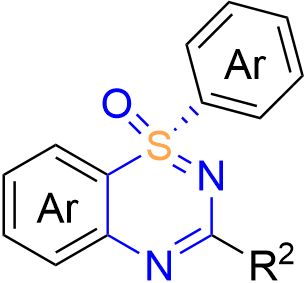 | Benzothiadiazines |
 | Desymmetrization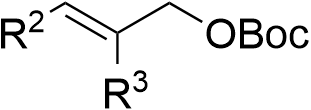 | Pd2(dba)3 /DACH-naphthyl (L22) | 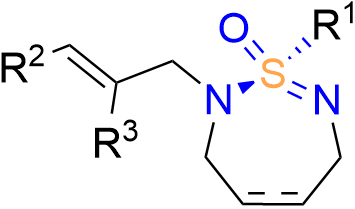 | Cyclic sulfonimidamides |
 | Desymmetrization | Pd/MeO-BIBOP (L23) + TMCPA | 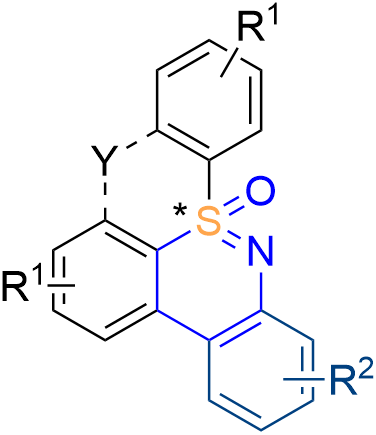 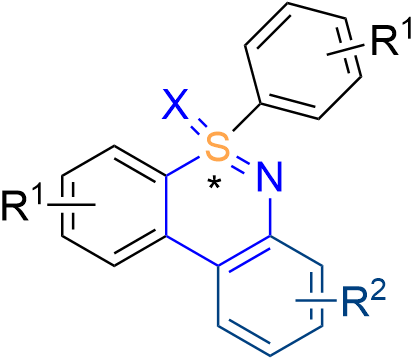 | S(VI)=N polyaromatics; parallel KR |
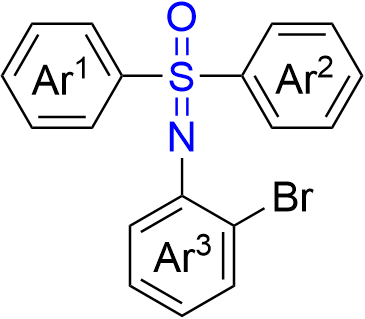 | Intramol. C-H arylation | Pd-G3/Xu-Phos (L24); Ag2CO3 | 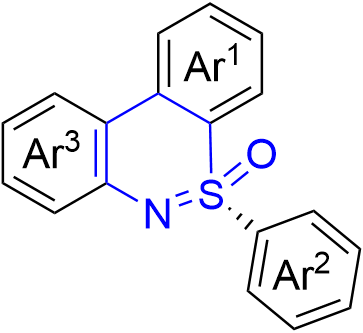 | Broad; YW-Phos ligand synthesis |
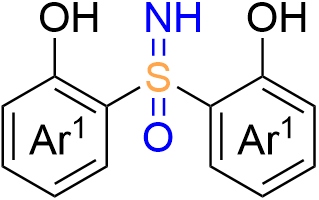 | Desymmetrization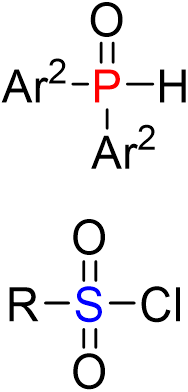 | Phosphonium salts (Cat.11/12) | 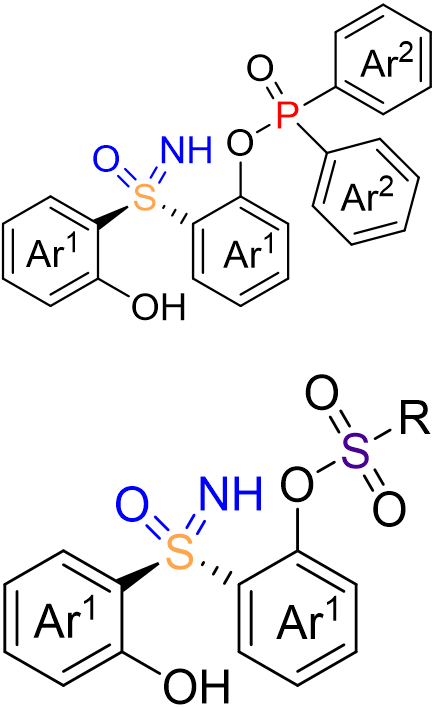 | 70 examples; gram scale |
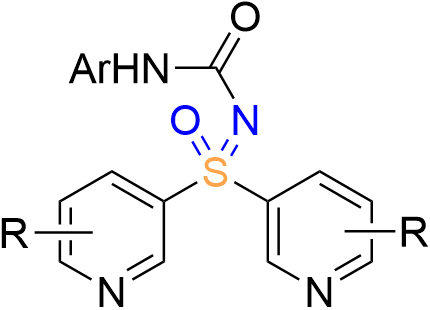 | N-oxidation | Peptide (Cat.13) | 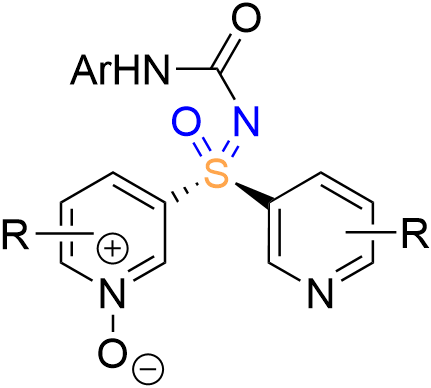 | Pyridyl sulfoximines |
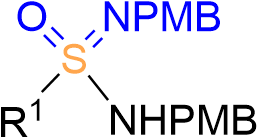 | Alkylation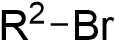 | Bis-quaternized PTC (Cat.14) | 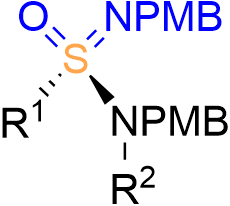 | Sulfonimidamides |
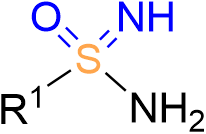 | Aryl-carbonylation | Pd/Mandyphos (L25) | 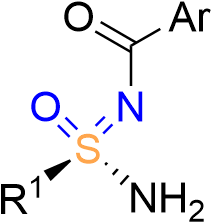 | Acyl sulfonimidamides |
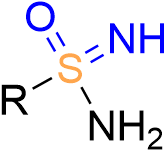 | Acylative desymmetrization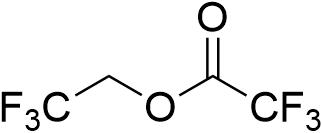 | Cinchona-phosphinate (Cat.15) | 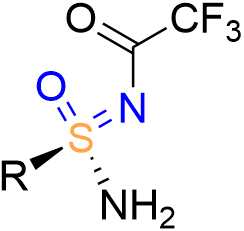 | Sulfonimidamides |
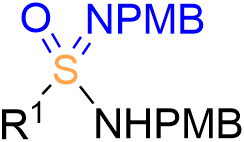 | N-acylative desymmetrization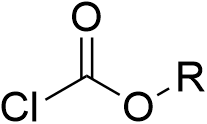 | Chiral N-oxide (Cat.16) | 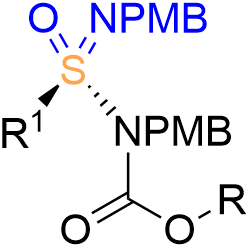 | Sulfonimidamides; gram scale |
 | Hydrolysis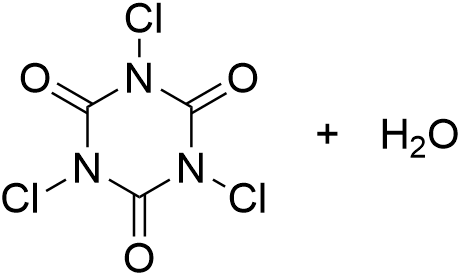 | Chiral phosphoric acid (Cat.17) | 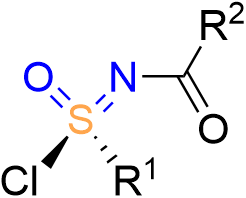 | Sulfonimidoyl chlorides |
 | 3D-SuFEx | Bis-oxazoline (L26) | 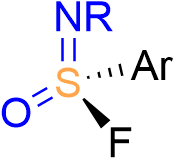 | Sulfonimidoyl fluorides |
 | Tandem hydrolysis/fluorination | Chiral phosphoric acid (Cat.18) | 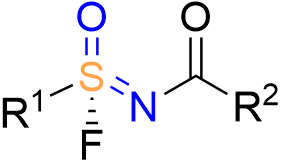 | Sulfonimidoyl fluorides |
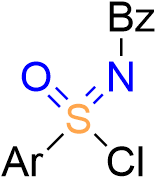 | Nucleophilic substitution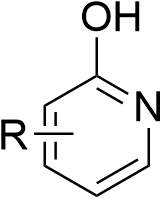 | Zn(OTf)2/PyIPI (L27) | 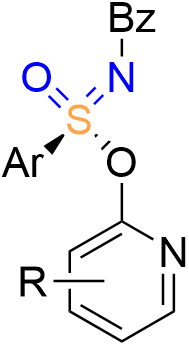 | Sulfonimidate esters |
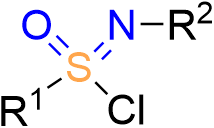 | DyKAT Cl-F exchange AgF Nu- = N, O-centred nucleophiles | Chiral N-oxide (Cat.16); AgF | 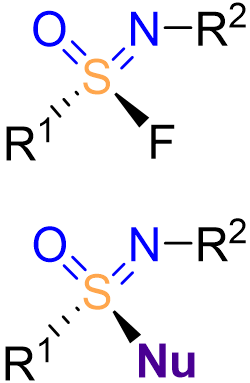 | Sulfonimidoyl fluorides; gram scale |
3D-SuFEx: three-dimensional sulfur(VI) fluoride exchange; DyKAT: dynamic kinetic asymmetric transformations; KR: kinetic resolution; PKR: parallel kinetic resolution; CYP24: cytochrome P450C24; TMCPA: 2,2,3,3-tetramethylcyclopropylcarboxylic acid.
4. Conclusions
The catalytic asymmetric construction of high-valent sulfur(IV) and sulfur(VI) stereocenters has transitioned from the use of stoichiometric chiral auxiliaries to highly efficient and versatile catalytic systems. Recent advances in transition-metal-catalyzed C-H functionalization, organocatalysis, and radical cross-coupling have significantly broadened the chemical space of S-stereogenic molecules. Furthermore, stereospecific nucleophilic substitutions, DyKAT, and 3D-SuFEx strategies have enabled the modular synthesis of complex chiral sulfur compounds, facilitating the late-stage diversification of bioactive structures. Despite this progress, several limitations remain; many current methods are restricted to aromatic or electronically activated substrates. Achieving high enantioselectivity for purely aliphatic, dialkyl, or sterically demanding acyclic sulfur stereocenters is still a major challenge. This is largely because aliphatic substrates lack sufficient non-covalent interaction sites for catalyst recognition and are prone to competing elimination side reactions under basic conditions. Additionally, the asymmetric trapping of sulfur-centered radicals can be complicated by the configurational instability of the intermediates, and direct enzymatic sulfur functionalizations still suffer from narrow substrate scopes. Overcoming these barriers will drive the next phase of chiral sulfur chemistry. Sustainable activation modes, such as electrocatalysis and photoredox catalysis, offer mild, redox-neutral routes to generate reactive sulfur intermediates while tolerating sensitive functional groups. Future catalyst design should optimize the steric and electronic effects of nitrogen-protecting groups to reduce the reliance on specific auxiliaries. Importantly, combining HTE with machine learning and data-driven models will accelerate the discovery of robust catalytic systems tailored for unactivated aliphatic substrates. Scaling up these methods for industrial applications will further establish the importance of sulfur-stereogenic architectures in next-generation therapeutics, agrochemicals, and functional materials.
From a sustainability perspective, most current transition-metal systems operate at 1-5 mol% catalyst loading whereas organocatalytic systems typically require 5-10 mol%, and many methods still depend on stoichiometric oxidants or nitrene precursors (e.g., TCCA, NIS, iminoiodinanes) that generate stoichiometric byproducts, N-protecting groups that add installation/deprotection steps, and conventional solvents such as dichloromethane or toluene; reducing catalyst loadings, minimizing protecting-group and oxidant usage, and adopting aqueous or solvent-free conditions are clear priorities. Linking emerging tools to the specific challenges of sulfur-centered chirality, high-throughput experimentation combined with machine learning can accelerate the discovery of ligands tuned for weak non-covalent interactions with aliphatic substrates; photoredox and electrocatalysis provide mild, redox-neutral access to reactive sulfur radicals for controlled capture; and protein engineering of sulfur-transfer enzymes can expand the substrate scope of biocatalytic sulfur functionalization.
Authors contribution
Zhao G, Zhao Y, Ren X, Zhang Q: Investigation, writing-original draft, writing-review & editing.
Lu C, Xu B, Zhang ZM: Conceptualization, writing-review & editing.
Conflicts of interest
The authors declare no conflicts of interest.
Ethical approval
Not applicable.
Consent to participate
Not applicable.
Consent for publication
Not applicable.
Availability of data and materials
Not applicable.
Funding
We are grateful for the National Natural Science Foundation of China (Grant Nos. 22501294 and 22671066), Natural Science Foundation of Henan Province (Grant Nos. 252300423693 and 252300420771) and Henan University of Science and Technology Undergraduate Innovation and Entrepreneurship Training Program (Grant No. 2026198).
Copyright
© The Author(s) 2026.
References
-
9. Chen J, Li Y, Li J, Tao J, Zhou X, Wang W, et al. Recent advances in the synthesis and N-functionalization of sulfonimidamides. Asian J Org Chem. 2025;14(11):e00535.[DOI]
-
11. de Alwis N, Fato BR, Beard S, Binder NK, Kaitu’u-Lino TJ, Onda K, et al. Assessment of the proton pump inhibitor, esomeprazole magnesium hydrate and trihydrate, on pathophysiological markers of preeclampsia in preclinical human models of disease. Int J Mol Sci. 2022;23(17):9533.
-
16. Luecking UT, Scholz A, Kosemund D, Bohlmann R, Briem H, Lienau P, et al. Abstract 984: Identification of potent and highly selective PTEFb inhibitor BAY 1251152 for the treatment of cancer: From p.o. to i.v. Cancer Res. 2017;77(13_Supplement):984.[DOI]
-
17. Diamond JR, Moreno V, Lim EA, Cordoba R, Cai C, Ince SJ, et al. Phase I dose escalation study of the first-in-class selective PTEFb inhibitor BAY 1251152 in patients with advanced cancer: Novel target validation and early evidence of clinical activity. J Clin Oncol. 2018;36(15_suppl):2507.[DOI]
-
25. Zu B, Guo Y, Ren LQ, Li Y, He C. Catalytic enantioselective synthesis of boron-stereogenic BODIPYs. Nat Synth. 2023;2(6):564-571.[DOI]
-
27. Furukawa N, Oae S. Sulfilimines. Synthetic applications and potential utilizations. Ind Eng Chem Prod Res Dev. 1981;20(2):260-270.[DOI]
-
28. Shi Y, Zheng S, Huang J, He FS, Yang M, Wu J. Catalytic asymmetric synthesis of chiral sulfilimines via S-C bond formation. Org Chem Front. 2025;12(3):953-959.[DOI]
-
31. Wang CR, Sun JN, Li Y, Li JH. Recent advances in catalytic asymmetric synthesis of chiral sulfinyl compounds. Eur J Org Chem. 2025;28(27):e202500378.[DOI]
-
33. Zhu RH, Shi XX. Practical and highly stereoselective method for the preparation of several chiral arylsulfinamides and arylsulfinates based on the spontaneous crystallization of diastereomerically pure N-benzyl-N-(1-phenylethyl)-arylsulfinamides. Tetrahedron Asymmetry. 2011;22(4):387-393.[DOI]
-
38. Suleman M, Huang T, Zhou T, Chen Z, Shi B. Recent advances in asymmetric synthesis of chiral-at-sulfur sulfoximines. ACS Catal. 2025;15(7):5511-5530.[DOI]
-
39. Symes OL, Bull JA. The stereochemistry of substitution at S(VI). Org Chem Front. 2025;12(23):6681-6697.[DOI]
-
65. Li JY, Xie PP, Zhou T, Qian PF, Zhou YB, Li HC, et al. Ir(III)-catalyzed asymmetric C–H activation/annulation of sulfoximines assisted by the hydrogen-bonding interaction. ACS Catal. 2022;12(15):9083-9091.[DOI]
-
66. Qian PF, Zhou T, Li JY, Zhou YB, Shi BF. Ru(II)/chiral carboxylic acid-catalyzed asymmetric [4 + 3] annulation of sulfoximines with α, β-unsaturated ketones. ACS Catal. 2022;12(22):13876-13883.[DOI]
-
68. Murata A, Endo T, Hirata Y, Higashida K, Yoshino T, Matsunaga S. Enantioselective C–H amidation of sulfondiimines for the synthesis of 1,2,4-benzothiadiazine-1-imines under cobalt catalysis. Org Chem Front. 2025;12(15):4236-4241.[DOI]
-
71. Xia Y, Xu B, Zhang Z, Zhang J. Pd/Ag dual-catalyzed asymmetric synthesis of sulfur-stereogenic sulfoximines via enantioselective intramolecular C-H arylation. Green Synth Catal. 2025.[DOI]
-
72. Fang S, Liu Z, Zhang H, Pan J, Chen Y, Ren X, et al. Access to S-stereogenic free sulfoximines via bifunctional phosphonium salt-catalyzed desymmetrization of bisphenols. ACS Catal. 2021;11(22):13902-13912.[DOI]
Copyright
© The Author(s) 2026. This is an Open Access article licensed under a Creative Commons Attribution 4.0 International License (https://creativecommons.org/licenses/by/4.0/), which permits unrestricted use, sharing, adaptation, distribution and reproduction in any medium or format, for any purpose, even commercially, as long as you give appropriate credit to the original author(s) and the source, provide a link to the Creative Commons license, and indicate if changes were made.
Publisher’s Note
Science Exploration remains a neutral stance on jurisdictional claims in published
maps
and institutional affiliations. The views expressed in this article are solely those
of
the author(s) and do not reflect the opinions of the Editors or the publisher.
Share And Cite


Science Exploration Style
Zhao G, Zhao Y, Ren X, Zhang Q, Lu C, Xu B, et al. Advances in the catalytic asymmetric synthesis of chiral sulfur compounds bearing S=N bonds. Chiral Chem. 2027;3:202642. https://doi.org/10.70401/cc.2026.0044
Tips
Copy completed.
Submit a Manuscript
Author Instructions
Cite this Article
Article Metrics
0
View
0
Download
Cited
Article Updates

- Abstract
- Keywords
- 1. Introduction
- 2. Catalytic Asymmetric Synthesis of Chiral Sulfilimines
- 3. Catalytic Asymmetric Synthesis of Chiral Sulfur(VI) Compounds
- 4. Conclusions
- Authors contribution
- Conflicts of interest
- Ethical approval
- Consent to participate
- Consent for publication
- Availability of data and materials
- Funding
- References
- Copyright
 Get citation
Science Exploration Style

Zhao G, Zhao Y, Ren X, Zhang Q, Lu C, Xu B, et al. Advances in the catalytic asymmetric synthesis of chiral sulfur compounds bearing S=N bonds. Chiral Chem. 2027;3:202642. https://doi.org/10.70401/cc.2026.0044
copy
Share Link
copy