
Fibronectin-Based Nanomedicine Design and Applications
Time
3:00 PM, April 13, 2026 (Beijing)Contact Us
Email: bmehjournal@sciexplor.comSpeaker
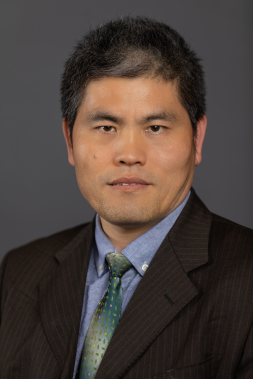
Prof. Xiangyang Shi
College of Biological Science and Medical Engineering, Donghua University, Shanghai, China.
Prof. Xiangyang Shi graduated with B.Sc. (chemistry, Henan Normal University, Xinxiang), M.E. (applied chemistry, Beijing Institute of Technology, Beijing), and Ph.D. (organic chemistry, Institute of Photographic Chemistry, the Chinese Academy of Sciences, Beijing) in 1992, 1995 and 1998, respectively. He worked as a Postdoctoral Fellow at Tsinghua University (1998-2000, Beijing) and Max-Planck Institute of Colloids and Interfaces (2000-2001, Potsdam, Germany). He then moved to California State University, Los Angeles (2001-2002) as a visiting scholar. From 2002-2008, he worked as a Research Fellow, Research Associate II, Research Investigator, and Research Assistant Professor at the University of Michigan, Ann Arbor. Since 2008, he has been a professor of special appointment at both Donghua University and Shanghai Institutions of High Learning (Eastern Scholar). Since 2010, he has also been appointed as an “Invited Chair in Nanotechnology” at University of Madeira, Portugal. He is currently serving as an Executive Editor for WIREs Nanomedicine and Nanobiotechnology, and on editorial boards of several journals such as Bioconjugate Chemistry and Nanomedicine.
Prof. Shi has authored or coauthored 536 SCI-indexed peer-reviewed journal articles with an H-index of 89 (total citations: 29,266) and 363 technical conference abstracts, along with 17 invited book chapters and 138 approved patents. His current research interests are focused on the development of organic/inorganic hybrid nanoplatforms and microfluidic platforms for sensing, imaging, and theranostic applications, in particular for precision imaging and therapy of cancer and inflammatory diseases.
Prof. Shi has authored or coauthored 536 SCI-indexed peer-reviewed journal articles with an H-index of 89 (total citations: 29,266) and 363 technical conference abstracts, along with 17 invited book chapters and 138 approved patents. His current research interests are focused on the development of organic/inorganic hybrid nanoplatforms and microfluidic platforms for sensing, imaging, and theranostic applications, in particular for precision imaging and therapy of cancer and inflammatory diseases.
Host

Prof. Wenjie Chen
State Key Laboratory of Respiratory Disease, School of Pharmaceutical Sciences, Guangzhou Medical University, Guangzhou, Guangdong, China.
Prof. Wenjie Chen is a Nanshan Scholar at the School of Pharmacy, Guangzhou Medical University (GMU). He earned a Ph.D. in 2018 from the ARC Centre of Excellence for Nanoscale Biophotonics, jointly operated by Macquarie University and the University of New South Wales, Australia, followed by postdoctoral research at the University of Minnesota and Virginia Commonwealth University (VCU), USA (2018-2020). His primary research focuses on the development of lipid nanoparticle (LNP) carriers for gene/drug/vaccine delivery, including current work on LNP-delivered RNA nucleic acid vaccines, biomacromolecule-based immunotherapy, and peptide-targeted drug and vaccine development.
Introduction
Fibronectin (FN) is an endogenous protein rich in the RGD sequence, which has anti-inflammatory and antioxidant functions. However, due to its limited intracellular endocytosis ability, FN alone is difficult to achieve the ideal effect in disease treatment. Our group has combined FN and nanotechnology to develop nanomedicines for the treatment of cancer and inflammation diseases. In the field of cancer theranostics, we have constructed a metal- polyphenol network platform loaded with anticancer drug doxorubicin and coated with FN, which targets tumor cells with high expression of αvβ3 integrin. This platform was used for magnetic resonance imaging-guided tumor chemotherapy/chemodynamic therapy/immunotherapy, resulting in enhanced immunogenic cell death along with the PD-L1 antibody-mediated immune checkpoint blockade[1]. In terms of inflammation treatment, which is the main topic of my talk, we prepared generation 5 poly(amidoamine) dendrimers functionalized with phenylboronic acid as a nanocarrier to achieve efficient intracellular FN delivery, thus promoting macrophage polarization towards M2 anti-inflammatory phenotype to inhibit activation of NF-κB inflammatory pathway, reducing secretion of inflammatory factors, and alleviating intracellular reactive oxygen species level. In vivo experiments were conducted using an acute lung injury (ALI) mouse model, and it was found that this FN delivery strategy can alleviate ALI symptoms by reducing lung inflammation and oxidative stress[2]. Furthermore, we also used bioactive phosphorus dendrimers as a carrier system to load FN for the treatment of different inflammatory diseases (including gouty arthritis[3], osteoarthritis[4], Parkinson's disease[5], and ischemic stroke[6]), and achieved ideal therapeutic effects in mouse/rat models, providing a theoretical basis for further clinical translation.
Acknowledgments: This work was financially supported by the National Key R&D Program (2022YFE0196900 & 2024YFE0108100), the National Natural Science Foundation of China (U23A2096 & 52350710203) and the Science and Technology Commission of Shanghai Municipality (24490711000, 23520712500, 23WZ2503300, 21490711500, and 20DZ2254900).
References:
[1] Xu, Y. et al. ACS Nano 2022, 16, 984-996;
[2] Gao, Y. et al. Biomacromolecules 2023, 24, 886-895;
[3] Sun, H. X. et al. ACS Nano 2024, 18, 2195-2209;
[4] Zhan, M. S. et al. ACS Nano 2024, 18, 10625–10641;
[5] Dai, W. C. et al. Bioact. Mater. 2024, 38, 45-54.
[6] Ma, J. et al. Adv. Healthcare Mater. 2024, 13, 2401462.
[2] Gao, Y. et al. Biomacromolecules 2023, 24, 886-895;
[3] Sun, H. X. et al. ACS Nano 2024, 18, 2195-2209;
[4] Zhan, M. S. et al. ACS Nano 2024, 18, 10625–10641;
[5] Dai, W. C. et al. Bioact. Mater. 2024, 38, 45-54.
[6] Ma, J. et al. Adv. Healthcare Mater. 2024, 13, 2401462.
Presentation
Presentation
49
Free Discussion
38


