
Eradicating Refractory Tumors via Macrophage "Reprogramming" Multi-Specifics Designed Through AI-Driven Lab-in-the-Loop Reverse Translation
Time
4:00 PM, March 20, 2026 (Beijing)9:00 AM, March 20, 2026 (Leuven)
Contact Us
Email: mcjournal@sciexplor.comSpeaker

Prof. Abhishek D. Garg
Laboratory for Cell Stress & Immunity (CSI), Department of Cellular & Molecular Medicine (CMM), KU Leuven, Leuven, Belgium.
Prof. Abhishek D. Garg is head of the Laboratory for Cell Stress & Immunity and Research Associate Professor at KU Leuven (Belgium). He has 17+ years of experience in cancer immunology & immunotherapy field and high-impact expertise in discovering novel fundamental concepts and turning them into innovative immunotherapies and biomarkers against hard-to-treat tumors using an orthogonal integration of multi-omics, spatial mapping, systems medicine, artificial intelligence (AI), reverse translation and functional/pre-clinical immunology. His lab has recently made high-impact discoveries on diversity of T cell hypofunctional states, spatial cross-talk between myeloid cells-T cells, and multi-dimensional determinants of immunotherapy responses, especially in “T cell cold/pseudo-hot” tumors. This helped create an innovative anticancer vaccine (currently in clinical trials), first-in-class blood-screening assay (clinically-validated), next-generation macrophage-targeting immunotherapy, and precision AI-driven biomarkers. Prof. Garg (total citations >30’000, h-index >60) is amongst world's top 1-2% highly cited researchers (Clarivate/Stanford-Elsevier). His research has been recognized by various awards like AstraZeneca Foundation award, 41st Prix Galien, KU Leuven Research Council Award, ESP Young Investigator Award, amongst others.
Hosts
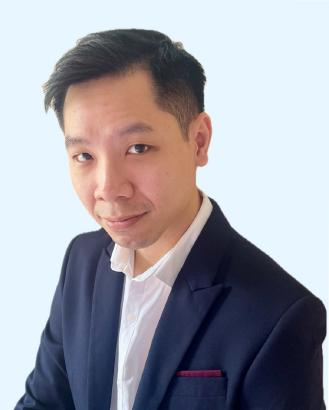
Dr. Immanuel Kwok
Singapore Immunology Network (SIgN), Agency for Science, Technology and Research (A*STAR), Singapore, Singapore.
Dr. Immanuel Kwok graduated from Nanyang Technological University in 2020 with a PhD in Immunology for his work in Dr Ng Lai Guan’s group at the Singapore Immunology Network, A*STAR, where he used a combination of mouse models, high-dimensional cytometry and sequencing tools to characterise the developmental heterogeneity of neutrophils. He then continued as a postdoctoral fellow to discover the existence of two discrete neutrophil progenitors in mice and humans, using single-cell sequencing and bioinformatic approaches to augment his research. He is currently a Group Leader funded by the National Medical Research Council (NMRC) Young Investigator Research Grant (OF-YIRG) and the SRIS Joint Research Grant in 2024. Under these grants, he aims to develop novel therapeutic tools and targets modulating immune cells in human cancers and fibrotic skin diseases.
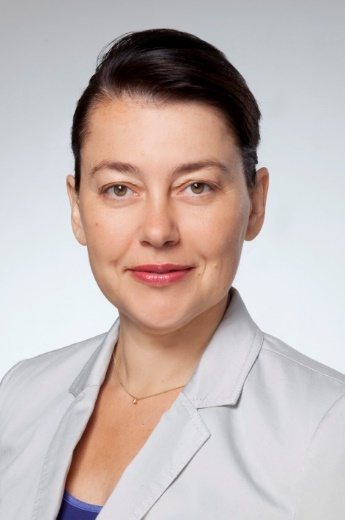
Prof. Julia Kzhyshkowska
Institute of Transfusion Medicine and Immunology, Medical Faculty Mannheim University of Heidelberg, Mannheim, Germany.
Julia Kzhyshkowska, PhD, is Professor of Cell and Molecular Biology, Head of the Department of Innate Immunity and Tolerance, Institute of Transfusion Medicine and Immunology, Medical Faculty Mannheim, University of Heidelberg. She obtained her PhD in oncology in 1997 from the Russian Academy of Medical Sciences, and after four years of postdoctoral research (1997-2001) at the University of Regensburg, Germany, she focused on viral oncogenic mechanisms. She later started as a PI at the Medical Faculty Mannheim, Heidelberg University, focusing on the molecular mechanisms of chronic inflammation and tumor immunity. Since 2010, she has served as PI and professor at the University of Heidelberg. Her research covers functions of macrophages in cancer, diabetes, diabetic vascular complications, and tissue regeneration. Her laboratory has a strong motivation to translate the fundamental findings into the clinic, working on macrophage reprogramming on epigenetic and metabolic levels. Julia has published over 160 research and review articles, including publications in Blood, Nature Communications, Cellular and Molecular Immunology, Journal of Advanced Research, Journal of Clinical Investigation, Hepatology, with an H-Index of 52 and over 8,670 citations. She also serves as an editor and reviewer for numerous international journals.
Introduction
Treating immunotherapy-refractory tumors faces clinical challenges like resistance driven by tumor heterogeneity. Industrial hurdles include the need for innovative engineering of therapeutic modalities. Advancing new treatments requires novel targets, and beyond state-of-the-art translational routes. This thought process is particularly applicable to targeting macrophages in immunotherapy-resistant tumors. Previous clinical and industrial efforts to deplete macrophages for eradication of such tumors have largely failed. It is now well-accepted that reprogramming the macrophages might be the best way forward however this remains difficult due to their plasticity and heterogeneity. Overcoming these obstacles requires precise macrophage reprogramming, novel antibody engineering, and a deeper understanding of clinical myeloid context. During my presentation, I will discuss how we are currently tackling these challenges using latest multi-omics/spatial approaches and AI tools that are being constantly improved through functional lab-in-the-loop R&D cycles – the basis of our beyond state-of-the-art RETROFIT platform at KU Leuven, Belgium. This platform has already revealed a series of innovative myeloid/lymphoid targets and at least one best-in-class multi-specific antibody capable of eradicating preclinical tumors resistant against all previous (T cell/myeloid targeting mono-specifics) and current [PD(L)1 x VEGF bispecific] generations of immunotherapies.
Presentation
Presentation
124
Free Discussion
19


