
Metabolic Programming of Macrophages
Time
3:00 PM, April 17, 2026 (Beijing)9:00 AM, April 17, 2026 (Mannheim)
Contact Us
Email: mcjournal@sciexplor.comSpeaker
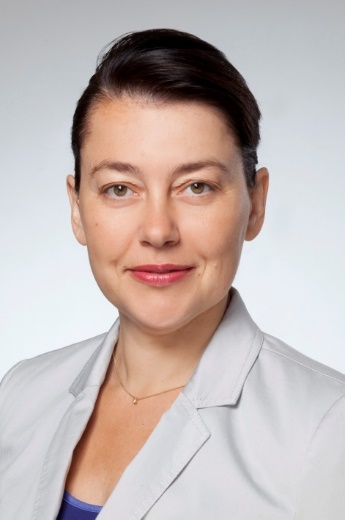
Prof. Julia Kzhyshkowska
Institute of Transfusion Medicine and Immunology, Medical Faculty Mannheim University of Heidelberg, Mannheim, Germany.
Julia Kzhyshkowska, PhD, is Professor of Cell and Molecular Biology, Head of the Department of Innate Immunity and Tolerance, Institute of Transfusion Medicine and Immunology, Medical Faculty Mannheim, University of Heidelberg. She obtained her PhD in oncology in 1997 from the Russian Academy of Medical Sciences, and after four years of postdoctoral research (1997-2001) at the University of Regenburg, Germany, she focused on viral oncogenic mechanisms. She later started as a PI at the Medical Faculty Mannheim, Heidelberg University, focusing on the molecular mechanisms of chronic inflammation and tumor immunity. Since 2010, she has served as PI and professor at the University of Heidelberg. Her research covers functions of macrophages in cancer, diabetes, diabetic vascular complications, and tissue regeneration. Her laboratory has a strong motivation to translate the fundamental findings into the clinic, working on macrophage reprogramming on epigenetic and metabolic levels. She has published over 160 research and review articles, including publications in Blood, Nature Communications, Cellular and Molecular Immunology, Journal of Advanced Research, Journal of Clinical Investigations, Hepatology, with an H-Index of 52 and over 8,670 citations. She also serves as an editor and reviewer for numerous international journals.
Hosts
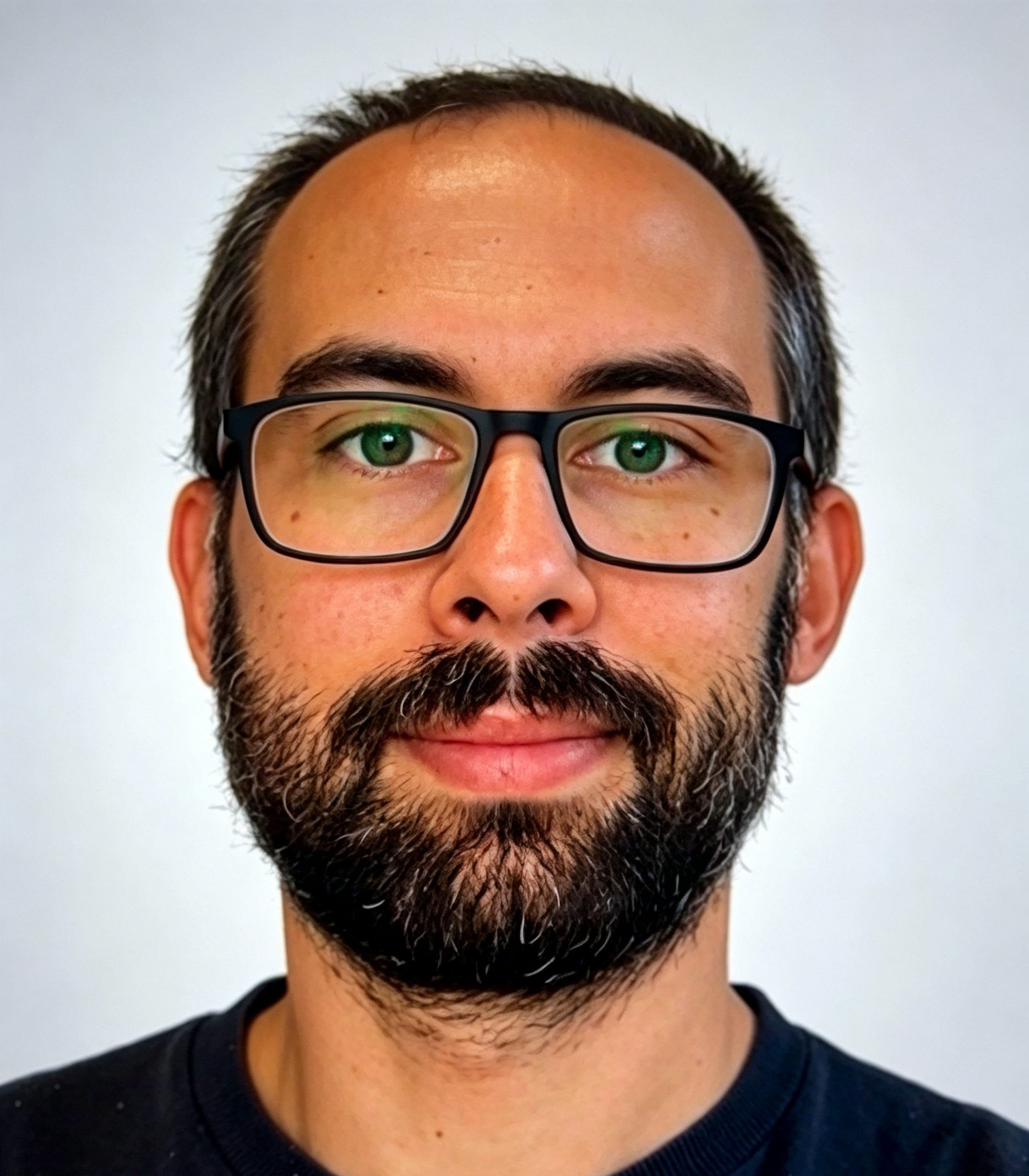
Dr. Camille Bleriot
Gustave Roussy, CNRS, INSERM, Université Paris Saclay, Paris, France.
Camille Bleriot is a research scientist from Gustave Roussy, Paris, France. He is specializing in oncoimmunology, with a strong focus on the interplay between metabolism and immune function in the context of cancer. With a background in biomedical research and extensive experience in single-cell transcriptomics, he investigates how metabolic reprogramming of macrophages contributes to tumor progression, particularly in obesity-associated cancers. His work integrates advanced computational analyses, including scRNA-seq and differential gene expression profiling, with experimental approaches to uncover mechanisms driving immune dysfunction in the tumor microenvironment.

Prof. Jean-Louis Mege
Centre National de la Recherche Scientifique, Établissement Français du Sang, Anthropologie Bio-Culturelle, Droit, Éthique et Santé, Aix-Marseille University, Marseille, France.
Jean-Louis Mege, MD, PhD, is Professor in Immunology at Aix Marseille University. He specializes in innate immunity and infectious diseases. He has studied the mechanisms of macrophage activation and more specifically macrophage polarization. He based his approach on in vitro models of macrophages from different tissue origin including placenta tissue with a specific focus on human cells and tissues. He has been interested by the role of macrophages in granuloma formation and in multinuclear giant cells. The objective of these approaches has been the translation to clinical research in infections including infections with intracellular bacteria (Coxiella burnetii) and viruses (SARS-CoV2, Monkeypox virus) to identify biomarkers for diagnosis and prognosis. Recently, he is developping a more integrative approach by investigating the influence of homeostatic parameters like sex, biological rhythms and stress hormones on macrophage functions.
Introduction
Macrophages are key regulators of tissue immunity, acute and chronic inflammation, cancer progression and cardiovascular diabetic complications. Historically, macrophages were subdivided into M1 (acute inflammatory) and M2 (anti- inflammatory) phenotypes, and it was widely accepted that M1 macrophage use glycolysis, while M2 macrophage use fatty acid oxidation as major energy source. However, macrophage energy metabolism is much more complex, and both metabolic pathways can coexist and contribute to the pathology. Enhanced glycolysis, instead of activation of acute anti-tumor reactions, can lead to the low-grade inflammation and support tumor progression. Increased incidence of metabolic disorders, including obesity, metabolic syndrome and type 2 diabetes correlate significantly with the increased incidence and young patient age in several cancers, including colorectal, breast, prostate and ovarian cancer. Our most recent data demonstrate that metabolic conditions, in particular hyperglycaemia and dyslipidaemia, lead to the pathological interaction of two key signalling pathways in macrophages, that are involved in carcinogenesis and cardiometabolic pathology: TBFbeta and TLR-mediated pathways. Moreover, hyperglycaemia can install pro-inflammatory histone code in macrophages (metabolic epigenetic memory). In the lecture the challenges and opportunities in the identification of targets for the therapeutic normalisation of macrophage metabolism will be discussed.
Presentation
Presentation
90
Free Discussion
22


