
Macrophage Specification and Biology Through the Lens of Forced Cell Fate Transitions
Time
3:00 PM, July 21, 2026 (Beijing)9:00 AM, July 21, 2026 (Barcelona)
Zoom Meeting Link: https://us06web.zoom.us/j/82575240179?pwd=4OTaFlw8zLIqi4EgCxSuRvZ2zjMI68.1
Meeting ID: 825 7524 0179
Passcode: 810914
Contact Us
Email: mcjournal@sciexplor.comSpeaker
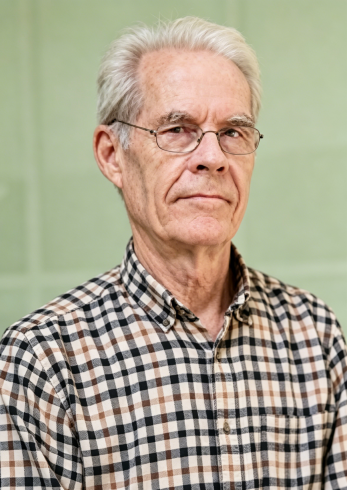
Prof. Thomas Graf
Centre for Genomic Regulation (CRG), The Barcelona Institute of Science and Technology, Barcelona, Spain.
Prof. Thomas Graf, born in Vienna and raised in Germany and Venezuela, is an Emeritusat the Centre for Genomic Regulation (since 2025) in Barcelona, where he has beenbased since 2006. He previously held senior research positions at the Albert EinsteinCollege of Medicine, the European Molecular Biology Laboratory in Heidelberg, theGerman Cancer Research Center, and the Max Planck Institute in Tübingen.
His research began with avian acute leukemia viruses, where he showed that multipleviral oncogenes cooperate in leukemia and that oncogenes can drive disease by blocking differentiation. He later focused on how hematopoietic stem cells commit to specialized lineages and on the role of transcription factors in this process. In the 1990s and 2000s, he demonstrated that single transcription factors can trigger transdifferentiation between hematopoietic lineages, opening new ways to study cell fate. More recently, his group showed that C/EBPalpha can enhance reprogramminginto iPS cells, suggesting broader roles in early development. His work has advanced fundamental understanding of differentiation and supported new medical applications.
Prof. Graf has received numerous national and international awards, organized major conferences, served on editorial boards of numerous journals, and is an elected memberof EMBO and Academia Europaea.
His research began with avian acute leukemia viruses, where he showed that multipleviral oncogenes cooperate in leukemia and that oncogenes can drive disease by blocking differentiation. He later focused on how hematopoietic stem cells commit to specialized lineages and on the role of transcription factors in this process. In the 1990s and 2000s, he demonstrated that single transcription factors can trigger transdifferentiation between hematopoietic lineages, opening new ways to study cell fate. More recently, his group showed that C/EBPalpha can enhance reprogramminginto iPS cells, suggesting broader roles in early development. His work has advanced fundamental understanding of differentiation and supported new medical applications.
Prof. Graf has received numerous national and international awards, organized major conferences, served on editorial boards of numerous journals, and is an elected memberof EMBO and Academia Europaea.
Hosts
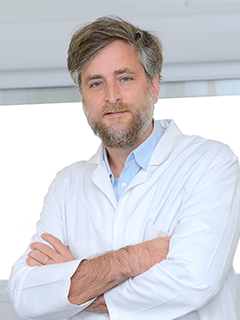
Prof. Florent Ginhoux
Singapore Immunology Network (SIgN), Agency for Science, Technology and Research (A*STAR), Singapore, Singapore.
Florent Ginhoux, PhD, is Senior Principal Investigator at the Singapore Immunology Network (SIgN), A*STAR, Singapore. He studies the ontogeny, differentiation, and functional specialization of dendritic cells, monocytes, and macrophages.
His research focuses on tissue-resident myeloid cells in both humans and mice, using approaches such as RNA sequencing, single-cell transcriptomics, flow cytometry, and CyTOF to characterize their heterogeneity and developmental pathways.
His recent work investigates how myeloid cell ontogeny shapes their functions in tissue homeostasis, immunity, and inflammation, with the aim of advancing understanding of myeloid biology and informing therapeutic strategies in human disease.
His research focuses on tissue-resident myeloid cells in both humans and mice, using approaches such as RNA sequencing, single-cell transcriptomics, flow cytometry, and CyTOF to characterize their heterogeneity and developmental pathways.
His recent work investigates how myeloid cell ontogeny shapes their functions in tissue homeostasis, immunity, and inflammation, with the aim of advancing understanding of myeloid biology and informing therapeutic strategies in human disease.
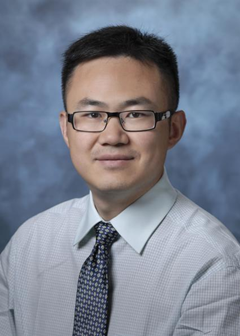
Prof. Xiao Shen
Department of Physiology, Zhejiang University School of Medicine, Hangzhou, Zhejiang, China.
Prof. Xiao Shen is a Professor and the Director of Physiology in Zhejiang University School of Medicine in China. He received an M.D. from Peking Union Medical College in China. Upon graduation, he got trained in basic research at Emory University where he worked with Prof. Kenneth E. Bernstein to identify the roles of angiotensin-converting enzyme in myeloid cells. After that, he joined the faculty of Cedars-Sinai Medical Center in Los Angeles. In 2015, Prof. Shen was recruited to Zhejiang University. His current research focuses on the physiological roles of macrophages in maintaining tissue homeostasis and organ functions.
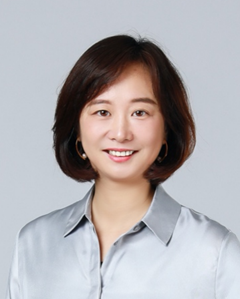
Prof. Peng Shi
School of Medicine The Second Affiliated Hospital, Zhejiang University Institute of Translational Medicine, Hangzhou, Zhejiang, China.
Prof. Peng Shi received her Ph.D. from the University of Texas Health Science Center at San Antonio in 2007 and completed postdoctoral training at the University of Florida. She served as an Assistant Professor in the Department of Neurology at Cedars-Sinai Medical Center from 2012 to 2016 before joining Zhejiang University in 2016 as a faculty member at the Institute of Translational Medicine, with a joint appointment in the Department of Cardiology at the Second Affiliated Hospital. Her research focuses on the neural regulation of cardiovascular function and disease, particularly the role of the autonomic nervous system in physiological homeostasis and hypertension. She has led multiple projects funded by the National Natural Science Foundation of China and the American Heart Association. Prof. Shi has published more than 40 peer-reviewed articles in leading journals and serves on the editorial boards of several international journals.
Introduction
In this lecture, I will discuss our work on myeloid cell specification and differentiation plasticity, focusing on how transcription factors (TFs) govern lineage decisions and transdifferentiation. In part I, I will summarize studies on avian leukemia viruses that led to the discovery of the oncogenes v-Myc and v-Myb, which differentially alter proliferation and differentiation of myeloid cells and cooperate with other oncogenes captured by highly oncogenic virus strains. One of these, the v-Myb-fusion-oncoprotein, expands hematopoietic progenitors, providing a surrogate stem cell model permitting to identify TFs that reciprocally induce erythroid–myeloid transdifferentiation. These experiments revealed that lineage-instructive TFs not only activate new gene expression programs but also extinguish the preceding program, establishing TF cross-antagonism as a central mechanism by which cell fates are determined at developmental lineage bifurcations.
In part II, I will present evidence that TFs can drive longer-range transdifferentiation across Waddington’s epigenetic landscape, showing that forced C/EBPα expression converts normal and leukemic murine and human B cells into non-proliferating macrophages through collaboration with PU.1. Surprisingly, C/EBPα elicits two distinct trajectories of macrophage transdifferentiation originating from different stages of B-cell differentiation, one transiently generating a granulocyte–macrophage precursor. A C/EBPα mutant further demonstrates that a single post-translational modification can tune both the speed and directionality of cell fate specification. I will conclude by highlighting the translational potential of TF-induced transdifferentiation.
Presentation
Presentation
24
Free Discussion
33


