
The Role of CD177 for the Function of Human Neutrophil Granulocytes
Time
4:00 PM, October 15, 2026 (Beijing)10:00 AM, October 15, 2026 (Berlin)
Zoom Meeting Link:
https://us06web.zoom.us/j/84509378668?pwd=032uGWLNcpR99L7JIJHiAtXFY44oMq.1
Meeting ID: 845 0937 8668
Passcode: 792734
Contact Us
Email: mcjournal@sciexplor.comSpeaker
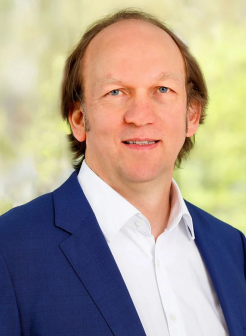
Prof. Matthias Gunzer
Institute for Experimental Immunology and Imaging, University Hospital, University of Duisburg-Essen, Essen, Germany.
1990-1992: Biology studies at the Julius-Maximilians-University in Würzburg. 1992–1995: Studied biochemistry at the University of Witten/Herdecke; completed diploma in 1995 at the Institute of Immunology.
1996–1999: Ph.D. at the Institute of Immunology, University of Witten/Herdecke.
1999–2003: Postdoctoral researcher/scientific assistant at the University Skin Clinic Münster.
2003: Head of the "Immuno-Dynamics" junior research group at the Helmholtz Centre for Infection Research in Braunschweig; habilitation in May 2007.
Since 2011: W3 Professor and Founding Director of the Institute for Experimental Immunology and Imaging at the University of Duisburg-Essen and University Hospital Essen. Also leads research at ISAS (Leibniz-Institut für Analytische Wissenschaften).
1996–1999: Ph.D. at the Institute of Immunology, University of Witten/Herdecke.
1999–2003: Postdoctoral researcher/scientific assistant at the University Skin Clinic Münster.
2003: Head of the "Immuno-Dynamics" junior research group at the Helmholtz Centre for Infection Research in Braunschweig; habilitation in May 2007.
Since 2011: W3 Professor and Founding Director of the Institute for Experimental Immunology and Imaging at the University of Duisburg-Essen and University Hospital Essen. Also leads research at ISAS (Leibniz-Institut für Analytische Wissenschaften).
Research Focus:
- Immuno-dynamics: Real-time analysis of immune cell behavior and migration in vivo using advanced optical imaging and microscopy.
- Neutrophils: Biology of murine and human neutrophils in infection, inflammation, and cancer.
- Immuno-dynamics: Real-time analysis of immune cell behavior and migration in vivo using advanced optical imaging and microscopy.
- Neutrophils: Biology of murine and human neutrophils in infection, inflammation, and cancer.
Host

Prof. Ruidong Xue
Yunnan Baiyao International Medical Research Center, International Cancer Institute, State Key Laboratory of Molecular Oncology, and MOE Frontiers Science Center for Cancer Integrative Omics, Peking University, Beijing, China.
Dr. Xue is an assistant professor and “BOYA-Young” group leader in Peking University. He is a principal investigator with multiple affiliations, including YunnanBaiyao Medical Research Centre, International Cancer Institute, State Key Laboratory of Molecular Oncology, and Peking University First Hospital. Research in the Xue lab focuses on big-data and bioinformatics driven oncology, covering topics including tumor clonal evolution, TIME regulation, and their crosstalk. Recently, the lab is very interested in dissecting the functional heterogeneity of tumor-associated neutrophils (TANs). Dr. Xue published numerous research papers, including Nature (2024, 2022), Cancer Cell (2024, 2019), J Exp Med (2025), and Gastroenterology (2022, 2016). His work has been selected as Cell Press Paper of the Year 2019 China and 2022 Top Ten Advances in Bioinformatics in China. He is a leading PI of National Science and Technology Major Project from MOST, China. He is also the recipient of NSFC Excellent Young Scientists Fund and Beijing NOVA Fund.
Discussants

Prof. Marco A. Cassatella
Department of Medicine, School of Medicine and Surgery, University of Verona, Verona, Italy.
Prof. Marco A. Cassatella is Professor at the University of Verona and has served as Director of the General Pathology Section since 2018. He was President of the Italian Society of Immunology, Clinical Immunology and Allergology (SIICA) from 2021 to 2024 and currently serves as Vice Chair of the IUIS Nomenclature of Monocytes and Dendritic Cells in Blood Sub Committee (MonoDC). His studies focus on innate immunity, particularly neutrophil activation, cytokine production, gene expression regulation, PMN-MDSCs, monocytes, and neutropoiesis. His group is recognized as an international leader in the biology of neutrophils and monocytes and their involvement in tumors. They have developed biochemical, immunological, and molecular biology approaches for studying neutrophils, monocytes, and dendritic cells, with additional expertise in RNA-seq, ChIP-seq, and single-cell RNA-seq applied to human myeloid cells.

Dr. Jasmin Knopf
Department of Pediatric Surgery, University Medical Center Mannheim, University of Heidelberg, Mannheim, Germany.
Dr. Jasmin Knopf is Head of the Immunomodulation Research Lab at the Department of Pediatric Surgery, University Medical Center Mannheim (Head Prof. Michael Boettcher) at Heidelberg University since 2023. She obtained her PhD in Immunology at the Department of Internal Medicine 3 at Friedrich-Alexander-University (FAU) and Uniklinikum Erlangen. Her research currently focuses on the innate immunity, particularly neutrophils and neutrophil extracellular traps in pediatric diseases such as necrotizing enterocolitis, congenital diaphragmatic hernia or Hirschsprung’s Disease. Additionally, she is interested in advancing CAR-T cell therapy for solid pediatric tumors and investigating the interplay of innate immune cells with CAR-T cells. She published numerous research papers and served as guest editor for special research topics in IJMS and Frontiers in Immunology.
Introduction
CD177 is considered the human analog of murine Ly6G. It´s function is associated with but not limited to trans endothelial migration. The majority of humans does express the molecule, but a sizeable fraction of the population (e.g., ~5% of individuals in Germany) is CD177-deficient without obvious associated health issues. Also, in humans principally expressing the molecule only a fraction of circulating neutrophils is actually CD177+. It has been hypothesized, that initially CD177- neutrophils will ultimately become CD177+ after activation and that both, CD177+ and CD177- cells, are functionally identical. We have investigated this hypothesis in detail and can demonstrate, that the assumptions are wrong. First, CD177+ and CD177- neutrophils are molecularly and functionally very different and second, CD177- cells form a stable neutrophil population in humans, that never expresses the molecule. In my talk I will showcase the evidence supporting our fundings and how this relates to the outcome of human disease.


