
Kupffer Cells Orchestrate Divergent T cell Differentiation for Anti-HCC Immunity
Time
4:00 PM, December 3, 2026 (Beijing Time)9:00 AM, December 3, 2026 (Lausanne Time)
Zoom Meeting Link: https://us06web.zoom.us/j/85833918760?pwd=qDZLqmjKjiYbxhOG4M8Rwc2EQF6G1a.1
Meeting ID: 858 3391 8760
Passcode: 767614
Contact Us
Email: mcjournal@sciexplor.comSpeaker
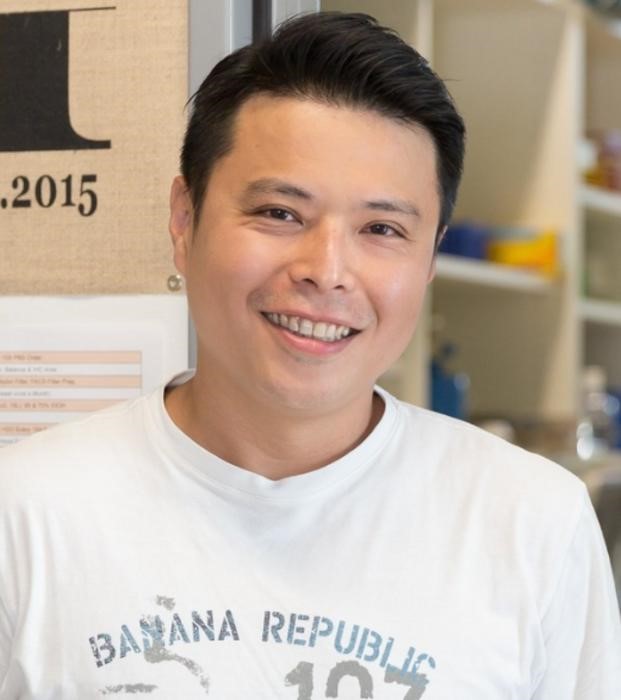
Prof. Ping-Chih Ho
Department of Fundamental Oncology, University of Lausanne, Lausanne, Switzerland.
Ludwig Institute for Cancer Research, University of Lausanne, Lausanne, Switzerland.
Ping-Chih Ho grew up in Taiwan and obtained his basic biomedical training, including a bachelor’s degree (Life Science) and a master’s degree (Biochemical Science), at National Taiwan University. He then obtained his PhD from the Department of Pharmacology at University of Minnesota. Ping-Chih then completed postdoctoral training with Susan Kaech at Yale University, where he demonstrated how cancer cells evade T cell immunosurveillance by depriving infiltrating T cells of glucose, which is consumed in large amounts by malignant cells. In September 2015, he relocated to Switzerland as a tenure-track assistant professor in the Department of Oncology at the University of Lausanne and acted as an adjunct scientist at the Ludwig Institute for Cancer Research. Ping-Chih was promoted as a tenured associate professor at the University of Lausanne in August 2019 and promoted to Associate Member at the Ludwig Institute for Cancer Research in January 2020. Since January 2023, Ping-Chih has been a Full Professor at University of Lausanne and a Full member at Ludwig Institute for Cancer Research. His research is also acknowledged by several international awards, including the CRI Lloyd J. Old STAR Award, EMBO Young Investigator award, MRA-SITC Young Investigator Award, MRA Established Investigator Award, CRI CLIP-investigator award, and the Swiss Bridge Award. He is also the recipient of 2026 AAI-BD Biosciences Award and elected as AAAS fellow in 2026.
Host
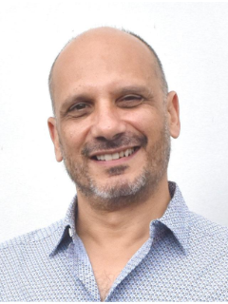
Prof. Patrick Bertolino
Vascular Biology Research Group, Centenary Institute, University of Sydney, Camperdown, NSW, Australia.
Patrick Bertolino leads the Liver Immunology Group and has been a Faculty member at the Centenary Institute since 2011. He is considered one of the leading experts in Liver Immunology internationally, and is acknowledged as the leader in this field in Australia, where he drives the main group working in this new and expanding discipline. Associate Professor Bertolino’s research over the past 25 years has focused on understanding the parameters that determine the balance between tolerance and immunity in the liver, an organ known for its ability to induce tolerance. More recently, he has expanded his research interest to liver macrophages. By developing and establishing unique transgenic mouse models and tools to analyse the liver immune response, he has built an original and productive research program that is unmatched in this discipline. He has held continuous NHMRC research funding since 2000 and has obtained highly competitive international funding (Roche Foundation).
Discussants
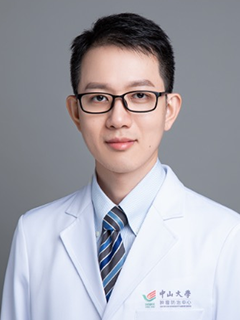
Dr. Lin Tian
State Key Laboratory of Oncology in South China, Sun Yat-sen University Cancer Center, Guangzhou, Guangdong, China.
Dr. Lin Tian is a group leader at Sun Yat-sen University Cancer Center. He received his PhD from Baylor College of Medicine, where he demonstrated the reciprocal stimulation between CD4+ T cells and vessel normalization (Nature, 2017). As an Irvington Postdoctoral Fellow at Memorial Sloan Kettering Cancer Center, he developed new models of HER2+ breast cancer brain metastasis and revealed that extracellular matrix deposition blocks microglial immune surveillance. Since establishing his own lab, he has focused on the plasticity of resident cells, such as Kupffer cells, sinusoidal endothelial cells, and innate lymphoid T cells, in liver malignancies. A published study on Kupffer cells showed that niche competition switches Kupffer cells from an anti-tumor to a pro-tumor state via epigenetic reprogramming (Nature Communications, 2024).
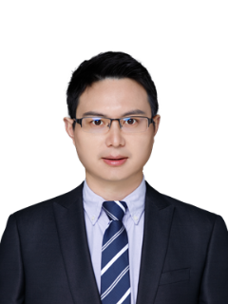
Prof. Bo Shan
Institute of Translational Medicine, Zhejiang University, Hangzhou, Zhejiang, China.
Bo Shan is a Principal Investigator at the Institute of Translational Medicine, Zhejiang University. He received his Ph.D. in Biochemistry and Molecular Biology from the Chinese Academy of Sciences, followed by postdoctoral training in the Rana K. Gupta Lab at UT Southwestern Medical Center, where he studied metabolic remodeling in adipose tissue. He joined Zhejiang University in 2022 to establish an independent research group focusing on the interplay between innate immunity and metabolic tissue homeostasis and regeneration, particularly in the liver and adipose tissue. His research has resulted in publications as first or corresponding author (including co-authorship) in leading journals such as Cell Metab, Nat Metab, Nature Immunol, J Exp Med and Nat Commun. His work has also been highlighted by Nat Immunol, Nat Metab, Mol Cell, and various Nature Reviews journals. He also serves as an External Editor for Communications Medicine.
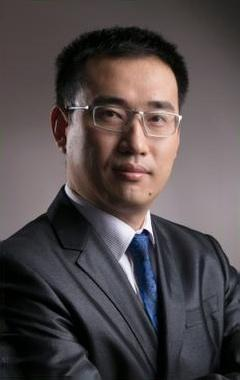
Prof. Donglei Sun
School of Life Sciences and Biotechnology, Shanghai Jiao Tong University, Shanghai, China.
Dr. Sun received his PhD from the University of Maryland, College Park, following his master's studies at the Wuhan Institute of Virology, Chinese Academy of Sciences. After completing his postdoctoral training, Dr. Sun joined Shanghai Jiao Tong University as a principal investigator in 2020, where he focuses on the roles of myeloid cells in major diseases. In particular, Dr. Sun's lab develops and applies in vivo imaging techniques (including intravital imaging and 3D imaging) to characterize the dynamics and functions of myeloid cells during fungal/bacterial infectious diseases and early tumor development. His work identified the major route of brain invasion by a top-priority fungal pathogen, Cryptococcus, and the mechanisms underlying its recruitment of microglia. In recent years, Dr. Sun has authored multiple publications in mainstream journals such as Nature Communications, PLoS Biology, Cell Reports, and PLoS Pathogens.
Introduction
The liver continuously filters gut- and blood-borne antigens, and its resident macrophages, Kupffer cells (KCs), are widely considered as enforcers of immune tolerance rather than initiators of productive immunity. Whether KCs support anti-tumor immunity in hepatocellular carcinoma (HCC) has therefore been underexplored. Here we show that KCs are bona fide antigen-presenting cells that acquire tumor antigens and prime naive CD8 T cells in murine HCCs. Rather than driving the terminal effector fate imposed by dendritic cells, KC-mediated priming generates a previously unrecognized CD8 T cell state that couples polyfunctional effector activity with durable memory-like features. These findings redefine intrahepatic priming and unveil the KC-mediated priming axis as a target for engineering durable anti-tumor CD8 T cell immunity.


