
Macrophage Metabolism and Its Role in Bacterial Infection
Time
4:00 PM, December 9, 2026 (Beijing Time)9:00 AM, December 9, 2026 (Paris Time)
Zoom Meeting Link: https://us06web.zoom.us/j/85812832133?pwd=l1lrKZHPTfL82D2XjTRab9lHld1KBX.1
Meeting ID: 858 1283 2133
Passcode: 118153
Contact Us
Email: [email protected]Speakers

Prof. Pedro Escoll
Biology of Intracellular Bacteria, Department of Microbiology, Institut Pasteur, Université Paris Cité, CNRS UMR 6047, Paris, France.
Pedro Escoll leads the "Metabolic Host-Bacteria Interactions" team at the Institut Pasteur, where he investigates how intracellular bacterial pathogens manipulate host cell metabolism and how metabolic heterogeneity determines infection outcomes. Focusing on Legionella pneumophila and Salmonella Typhimurium, his team combines bacterial genetics, mitochondrial physiology, high-content live-cell imaging, computational modeling, and single-cell metabolomics to decipher host-pathogen interactions in human macrophages. His long-term objective is to uncover the metabolic principles governing intracellular bacterial replication, restriction, and persistence, and identify vulnerabilities in macrophages that could help to develop new host-directed anti-microbial strategies.
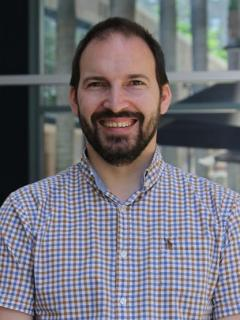
Dr. Ronan Kapetanovic
Infectiologie et Santé Publique (ISP), INRAE, Université de Tours, Nouzilly, France.
Dr. Ronan Kapetanovic received his Master's degree in Immunology from Université Pierre et Marie Curie in 2004 and his PhD in Immunology from Université Paris Descartes in 2008, following his doctoral research at the Pasteur Institute. He subsequently worked as a Research Fellow at the Roslin Institute, University of Edinburgh (2009–2013), and as a Senior Research Officer at the Institute for Molecular Bioscience, The University of Queensland (2013–2020). From 2021 to 2023, he came back to Europe as a Marie Skłodowska-Curie Actions Fellow at the Friedrich Miescher Institute in Switzerland. Since September 2023, he has been a permanent researcher at INRAE, France.
His research focuses on host-pathogen interactions, particularly how macrophages recognise and eliminate microbes. Using molecular biology, proteomics and microscopy, his work investigates antimicrobial and inflammatory pathways in macrophages, with particular emphasis on lipid droplets, mitochondrial dynamics, and the effects of metal ions such as zinc and copper. His research aims to uncover mechanisms regulating inflammation and antimicrobial responses, particularly in the context of multidrug-resistant bacterial infections.
Introduction
Decoding the Bioenergetic Logic of Bacterial Infection in Human Macrophages
Prof. Pedro Escoll
Why do some infected human macrophages support bacterial replication while others successfully restrict infection? This lecture explores how intracellular pathogens manipulate macrophage bioenergetics and how metabolic responses can shape, and even predict, infection outcomes. Starting with Legionella pneumophila, Pedro Escoll will discuss how bacterial effectors modulate mitochondrial dynamics in human macrophages, suppress respiration, and exploit the reverse activity of mitochondrial ATP synthase to preserve membrane potential and survival within infected macrophages. These findings have been recently extended to Salmonella Typhimurium, where mitochondrial Complex-I was identified as a bioenergetic checkpoint during infection by virulent bacteria. Moreover, the access of intracellular Salmonella to preferred nutrients within macrophages can partially compensate for the loss of major bacterial virulence systems, showing that the metabolic status of macrophages can determine bacterial virulence. Decoding this metabolic dialogue between bacteria and infected cells at the single-cell scale allowed the training of machine learning models able to predict bacterial replication in individual human macrophages before it begins.
Mitochondria and Lipid Droplet : Turning fat as a weapon !
Prof. Ronan Kapetanovic
Mitochondria are central signaling and metabolic hubs whose function is dynamically regulated by the processes of fusion and fission. We found that mitochondrial fission enhances bacterial clearance in macrophages and Caenorhabditis elegans. Bacterial infection triggered mitochondrial fission, activating the mitochondrial unfolded protein response and production of antimicrobial lipid droplets. These droplets play a distinct role compared to the metabolic ones. As always, pathogens such as Salmonella actively block this pathway in order to survive within macrophages. However, promoting mitochondrial fission using pharmaceutical or genetic approaches restores an efficient antimicrobial response. In particular, targeting the enzyme HDAC6 allows to promote mitochondria fission. Overall, our findings have identified an evolutionarily conserved pathway that could be targeted to enhance the antibacterial response in macrophages.


